7 Low-Light Houseplants That Actually Survive
Not every plant sold as low-light tolerant really is. These seven, from ZZ plant to cast iron plant, genuinely cope with a dim room and infrequent watering.
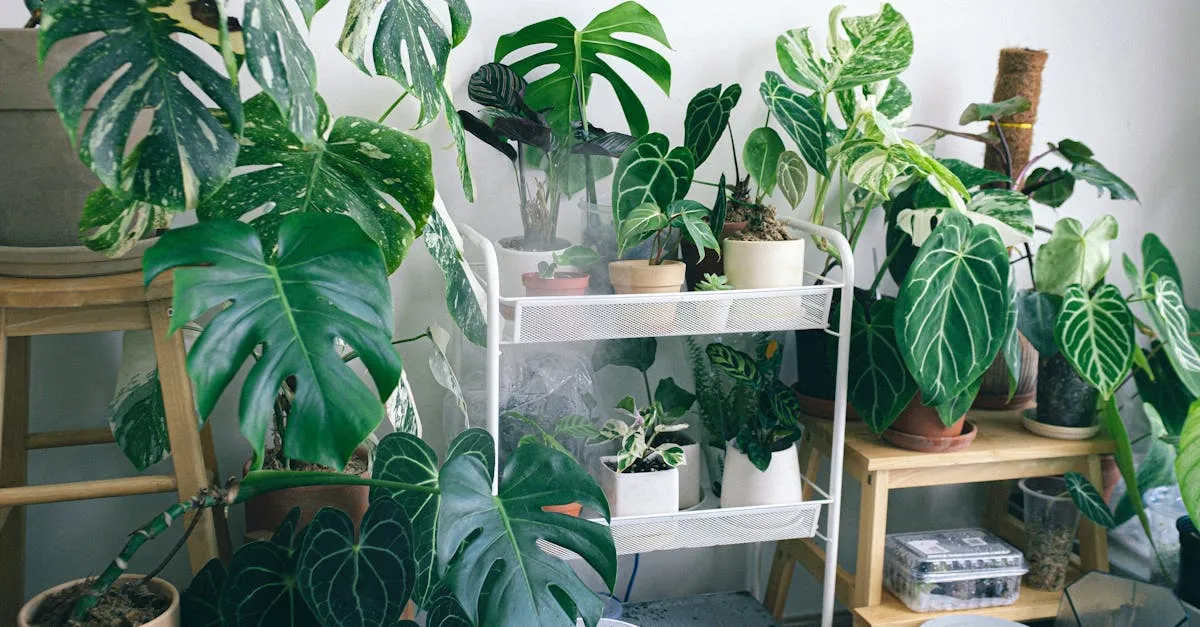
“Low light” is one of the most abused phrases in plant retail. Almost every plant is sold as low-light tolerant, and most are not. A genuinely low-light plant survives several feet from a window, or in a room with only north-facing light, without stretching towards the glass or fading in color.
These seven do. They are listed roughly from toughest to most demanding, so if your spot is genuinely dark, start at the top of the list.
How these plants were chosen
A plant earns a place here on three counts. It must hold its shape in dim light rather than producing long, pale, weak stems reaching for the window. It must keep its leaf color instead of yellowing or losing variegation. And it must tolerate the slow watering that low light forces, because a plant in shade uses water far more slowly and stays wet for longer. Every plant below clears all three. None of them is fussy, and most also forgive an irregular watering schedule, which is the other common reason indoor plants fail.
The seven plants
In this guide: ZZ plant · Snake plant · Pothos · Cast iron plant · Heartleaf philodendron · Chinese evergreen · Peace lily.
ZZ plant
Zamioculcas zamiifolia. The most light-tolerant common houseplant. Thick underground rhizomes store water and energy, so it copes with both dim light and infrequent watering. It grows slowly to around 2 to 3 feet (60 to 90 cm) tall indoors, staying upright and tidy. Water only when the soil is fully dry, which in a dark spot may be once every three to four weeks. The single common way to kill a ZZ is overwatering, which causes root rot. Honest caveat: every part of the plant is mildly toxic to cats and dogs if chewed, so keep it away from pets that nibble. See ZZ plant care for the full guide.
Snake plant
Dracaena trifasciata. Architectural, near-indestructible, and content in low light, though growth slows to a crawl there. Its stiff leaves store water, so it tolerates long gaps between drinks; in a dim spot it may need watering only once a month. Most cultivars reach 2 to 3.5 feet (60 to 100 cm), with compact ‘bird’s nest’ types staying under 30. Honest caveat: it is mildly toxic to cats and dogs, and it sulks in cold, wet soil over winter. Full detail is in snake plant care.
Pothos
Epipremnum aureum. A trailing vine that tolerates low light, with one important qualification: all-green varieties cope far better than variegated ones. In dim conditions a variegated pothos loses its pattern and reverts to plain green, because the white parts of the leaf cannot photosynthesize. Choose a solid green type such as ‘Jade’ for a dark room. Vines reach 3 feet (1 m) or more and can be cut back at any time. Honest caveat: pothos is toxic to cats and dogs, containing insoluble calcium oxalates that irritate the mouth. See how often to water a pothos.
Cast iron plant
Aspidistra elatior. Named for its toughness. It handles deep shade, drafts, and neglect, and reaches around 24 inches (60 cm) of broad, dark green leaves. Water when the top inch or two (3 to 5 cm) of soil are dry. Its only real drawback is that it grows very slowly, so buy it close to the size you want rather than expecting it to fill out quickly. Honest caveat: that slow growth means any leaf damage is slow to replace, so handle it gently. The cast iron plant is non-toxic to cats and dogs, making it a strong choice for a dim, pet-friendly room. Full detail is in the cast iron plant care guide.
Heartleaf philodendron
Philodendron hederaceum. A trailing plant similar in habit to pothos and equally forgiving of low light, with heart-shaped leaves on vines that easily reach 3 feet (1 m) or more. It is slightly faster to show thirst than pothos, with leaves that curl gently when dry, which makes it easy to read. Water when the top of the soil dries out. Honest caveat: like pothos, it contains calcium oxalates and is toxic to cats and dogs if chewed. More in heartleaf philodendron care.
Chinese evergreen
Aglaonema. Tolerates low light well, with the caveat that the darker green varieties are far more shade-tolerant than the pink, red, or heavily variegated ones. For a dim room, pick a deep green Aglaonema and skip the colorful cultivars, which need brighter light to hold their tone. It forms a bushy clump 18 to 24 inches (45 to 60 cm) tall and wide. Water when the soil is partly dry. Honest caveat: it is toxic to cats and dogs, and it dislikes cold drafts, which cause leaf damage. See the Chinese evergreen care guide for watering and variety selection.
Peace lily
Spathiphyllum. The most demanding plant on this list, included because it genuinely flowers in modest light and dramatically droops when thirsty, then recovers within hours of a thorough watering. That visible feedback makes it forgiving for beginners, even though it is fussier than the others. It grows to around 1.5 to 2 feet (40 to 65 cm) and prefers steady, lightly moist soil rather than the dry-out cycle the succulents above want. Honest caveat: it is toxic to cats and dogs, and the flowers fade in very deep shade. See peace lily care.
What “low light” still requires
Even these plants need some light. None will survive in a windowless room or true darkness. Low light means 10 feet (3 m) from a window, or a north-facing room, not no light at all. If a spot is too dark to comfortably read a book in during the day, it is too dark for any houseplant. Where you genuinely have no natural light, a grow light is the only fix, and an inexpensive one will keep any plant on this list healthy.
One habit matters more than the plant choice: in low light, water less. A shaded plant photosynthesizes slowly, uses little water, and stays wet for a long time, so the same watering schedule that suited a bright windowsill will drown it. Always check the soil first, and when in doubt, wait. If you are unsure how much light a spot actually offers, our guide to reading houseplant light shows how to judge it.
Match the plant to how dark your spot really is
Before buying, spend a day noticing how the light in your chosen spot changes, then pick from the top of the list if it stays genuinely dim and lower down only if it brightens for part of the day. Resist the urge to “help” a new arrival with extra water in its first few weeks, because that is when a shaded plant is most likely to sit in cold, wet soil and rot. Get the watering rhythm right and any of these seven will hold steady for years rather than slowly declining.
Where to go next
7 Best Houseplants for Beginners
Starting out with houseplants? These seven, including pothos, snake plant, and peace lily, are hard to kill and forgiving of the usual beginner mistakes.
Houseplant tools every beginner needs
A no nonsense starter kit for new plant owners: the few tools genuinely worth buying first, the ones you can skip, and roughly what to spend.
7 Houseplants That Thrive in a Bathroom
The best bathroom plants cope with low light, swings in temperature, and the humidity from a hot shower. These seven genuinely thrive there.
Not sure what plant you have? Identify it from a photo and we will point you at its care guide.