7 Best Houseplants for Beginners
Starting out with houseplants? These seven, including pothos, snake plant, and peace lily, are hard to kill and forgiving of the usual beginner mistakes.
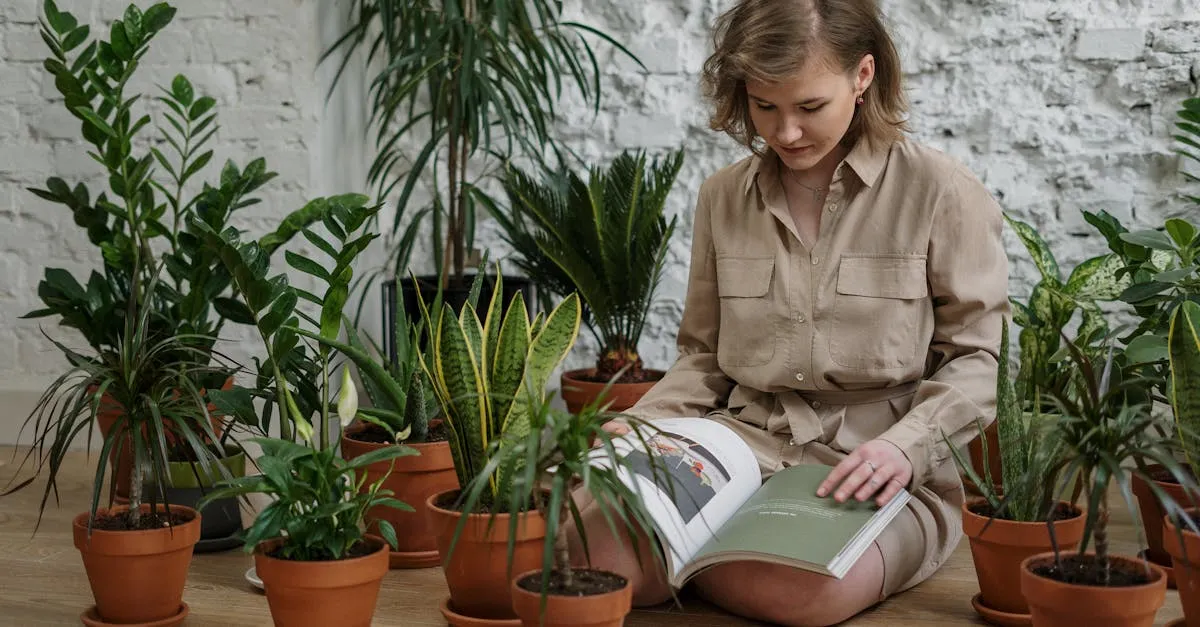
The best beginner plant is one that survives the two mistakes new owners make most: overwatering, and putting a plant somewhere too dark. These seven tolerate both better than most, so they give you room to learn.
What makes a plant beginner-friendly
A forgiving plant has a margin for error built in. It stores water somewhere, in thick leaves or underground rhizomes, so a missed watering does no harm. It tolerates a range of light rather than demanding one exact spot. It grows at a pace you can keep up with, neither so fast it outgrows its pot in a season nor so slow it looks dead. And ideally it signals its needs clearly, so you can read the plant rather than guess. Every plant below meets most of these. They are listed roughly from toughest to most expressive, so a snake plant asks the least of you and a peace lily teaches you the most.
1. Snake plant (Dracaena trifasciata)
Close to indestructible. It stores water in its thick, stiff leaves, so it forgives missed waterings, and it copes with anything from bright light to a dim corner. It grows slowly to between 2 to 3.5 feet (60 and 100 cm), depending on the cultivar, and the compact ‘bird’s nest’ types stay under 30. The only real way to kill it is constant overwatering, so simply water it rarely, every two to four weeks, and only when the soil is fully dry. Honest caveat: it is mildly toxic to cats and dogs if chewed. Full detail is in snake plant care.
2. Pothos (Epipremnum aureum)
A fast-growing trailing vine that clearly tells you when it is thirsty: the leaves go soft, then perk up within hours of watering. That feedback makes it an excellent teaching plant for learning the rhythm of watering. Vines easily reach 3 feet (1 m) or more and can be trimmed at any time, with the cuttings rooting in water. It tolerates a range of light, though all-green types handle low light best while variegated ones need brighter conditions to keep their pattern. Honest caveat: pothos is toxic to cats and dogs, irritating the mouth if chewed. See pothos care.
3. ZZ plant (Zamioculcas zamiifolia)
Glossy, upright, and extremely drought-tolerant thanks to water-storing rhizomes. It handles low light and irregular care, and grows slowly to around 2 to 3 feet (60 to 90 cm). Like the snake plant, the rule is simply to underwater rather than overwater: wait until the soil is bone dry, which can mean three to four weeks between drinks. Honest caveat: every part of the plant is mildly toxic to cats and dogs if eaten. More in ZZ plant care.
4. Spider plant (Chlorophytum comosum)
Fast, cheerful, and very forgiving. It produces baby plantlets on long stems that you can pot up for free, which makes it satisfying for a first-time grower. It reaches around 12 to 18 inches (30 to 45 cm) of arching foliage and prefers bright indirect light but tolerates less. Water when the top of the soil dries. Honest caveat: it can be sensitive to fluoride and salts in tap water, which show as brown leaf tips; using filtered or rainwater avoids this. The spider plant is non-toxic to cats and dogs, so it is a safe choice in a pet household. See spider plant care.
5. Heartleaf philodendron (Philodendron hederaceum)
A trailing plant similar to pothos in habit and toughness, with soft heart-shaped leaves on vines that reach 3 feet (1 m) or more. It grows quickly, roots easily from cuttings, and tolerates medium to low light well. Water when the top inch or two (3 to 5 cm) of soil are dry; the leaves curl slightly when it wants a drink. Honest caveat: like pothos, it is toxic to cats and dogs if chewed. More in heartleaf philodendron care.
6. Cast iron plant (Aspidistra elatior)
Named for its toughness. It shrugs off low light, drafts, and neglect, and forms a clump of broad dark green leaves around 24 inches (60 cm) tall. Water when the top of the soil dries. Its only downside is slow growth, so buy it at roughly the size you want rather than waiting for it to fill out. Honest caveat: that slow growth means damaged leaves take a long time to replace. The cast iron plant is non-toxic to cats and dogs, making it another safe option for pet owners.
7. Peace lily (Spathiphyllum)
The most expressive plant here. It droops dramatically when thirsty and recovers within hours of a thorough watering, which makes its needs impossible to miss and teaches you exactly when to water. It also flowers in modest light and grows to around 1.5 to 2 feet (40 to 65 cm). It prefers steady, lightly moist soil rather than the dry-out cycle the plants above want, so it is slightly fussier, but its clear signals more than make up for that. Honest caveat: it is toxic to cats and dogs if chewed. See peace lily care.
Beginner rules that matter more than the plant
- Always use a pot with a drainage hole. This single rule prevents most beginner deaths by letting excess water escape rather than rotting the roots.
- When in doubt, do not water. Underwatering is easy to fix; overwatering and the root rot it causes often are not.
- Match the plant to your actual light. Check the light in the spot before you buy, rather than choosing a plant and hoping.
- Be patient. Plants grow slowly. A plant that is simply sitting there, green and stable, is doing fine.
- Mind your pets. Four of these seven are toxic to cats and dogs; if an animal in your home chews leaves, see pet-safe houseplants before choosing.
- Giving one as a gift. All seven here are sensible options; the best houseplants to give as gifts narrows the list to the most reliable choices for someone whose light and routine you cannot predict.
Start with one, not seven
The temptation when you are keen is to buy three or four at once, but that means learning four different watering rhythms before you have nailed any of them. Pick the single plant whose spot and signals suit you best, usually a pothos or peace lily if you want quick feedback or a snake plant if you would rather it ask nothing of you, and live with it for a couple of months before adding the next. By then you will be reading soil moisture by feel rather than by calendar, which is the one habit that carries across every plant you go on to own.
Where to go next
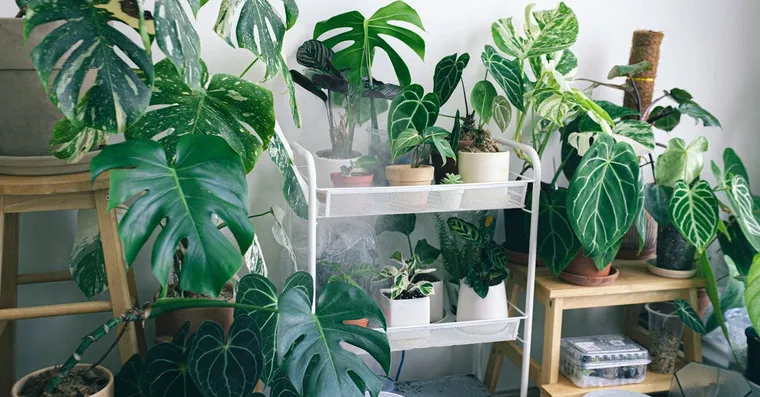
7 Low-Light Houseplants That Actually Survive
Not every plant sold as low-light tolerant really is. These seven, from ZZ plant to cast iron plant, genuinely cope with a dim room and infrequent watering.
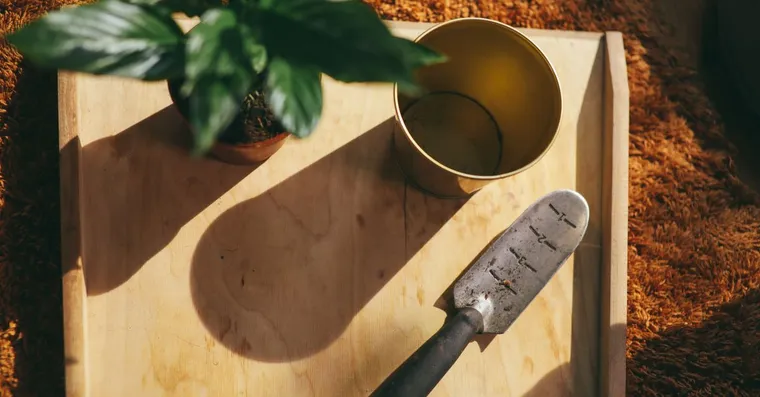
Houseplant tools every beginner needs
A no nonsense starter kit for new plant owners: the few tools genuinely worth buying first, the ones you can skip, and roughly what to spend.
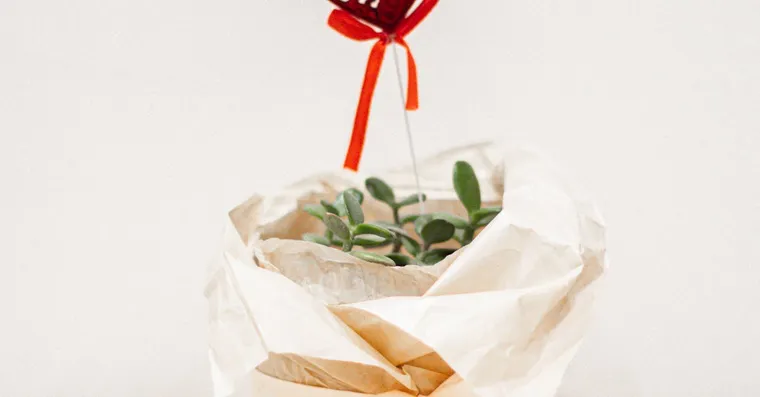
8 Best Houseplants to Give as Gifts
The best houseplants to give as gifts are easy to keep alive, widely loved, and often carry a bit of meaning. Here are eight that suit almost any recipient.
Not sure what plant you have? Identify it from a photo and we will point you at its care guide.