Pet-Safe Houseplants: A Guide for Cat and Dog Owners
Many popular houseplants are toxic to cats and dogs. Here are genuinely pet-safe options, and the common plants to avoid.
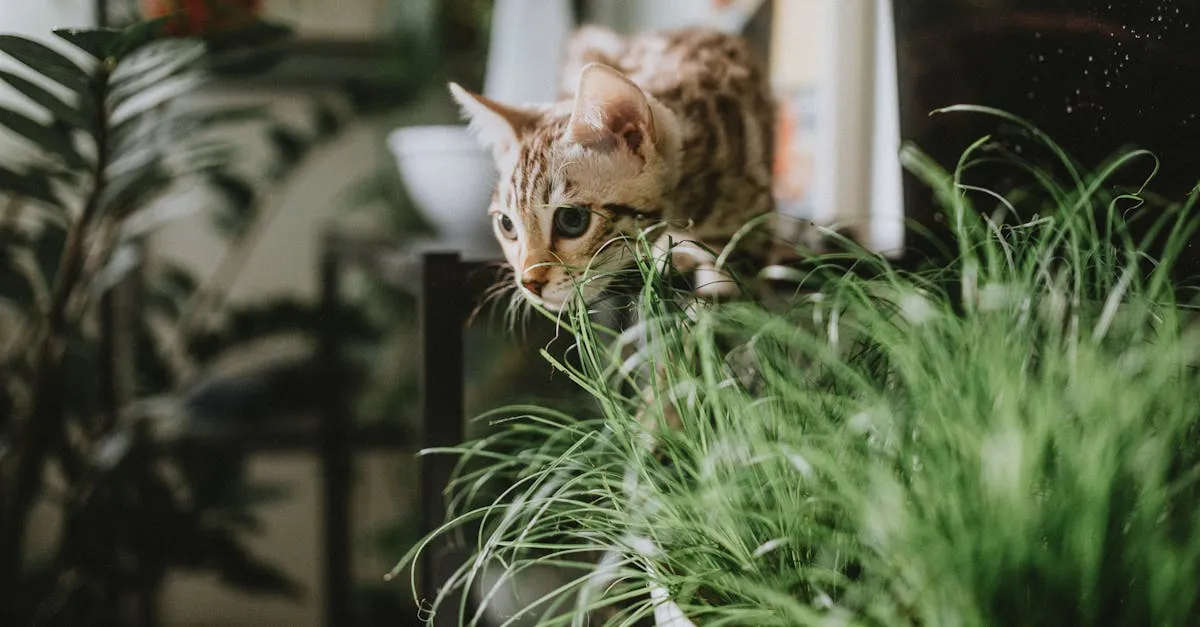
If you share your home with a cat or dog, plant choice matters. Several of the most popular houseplants are toxic to pets, and a curious animal that chews a leaf can end up genuinely unwell. The good news is that there are plenty of attractive plants that are safe to keep around animals.
What “pet-safe” actually means
A pet-safe plant is one classed as non-toxic, meaning it does not contain the irritant crystals, alkaloids, or other compounds that cause poisoning when an animal chews or swallows it. The most widely used authority on this is the ASPCA, which maintains a searchable database of toxic and non-toxic plants for cats, dogs, and horses. When this guide calls a plant safe, that is the standard it is measured against.
It is worth being honest about what “safe” does not mean. Non-toxic is not the same as harmless in any quantity. A pet that eats a large amount of any plant, toxic or not, can suffer mild stomach upset, vomiting, or loose stools, simply because plant matter is not part of its diet and the soil it comes with can irritate the gut. “Non-toxic” means the plant will not poison your pet; it does not mean a pet can graze on it freely. Treat the plants below as the safe choice, not as a salad bar.
Popular plants that are toxic to pets
Avoid these, or keep them strictly out of reach, if you have animals that chew. Each entry notes what makes it a problem.
- Pothos and philodendron, including the heartleaf type, contain insoluble calcium oxalate crystals that irritate the mouth, tongue, and digestive tract.
- Snake plant, mildly toxic, causes nausea, vomiting, and drooling if chewed.
- ZZ plant, contains calcium oxalates and is irritating to the mouth and stomach if eaten.
- Peace lily, contains calcium oxalates that irritate the mouth and throat. Despite the name, it is not a true lily and is not as dangerous as one, but it is still best avoided.
- Dieffenbachia (dumb cane), notably irritating; its common name comes from the mouth swelling it can cause.
- Aloe vera, toxic to cats and dogs despite being useful for humans, causing vomiting and lethargy.
- Lilies, true lilies of the genus Lilium and Hemerocallis, are extremely dangerous to cats in particular. Even small exposures, including pollen or vase water, can cause fatal kidney failure. Keep them out of any home with a cat.
This is not a complete list. New cultivars and less common species appear constantly, so when in doubt, check the plant against the ASPCA’s toxic and non-toxic plant database before buying. Our own pet safety checker covers dozens of common houseplants, with a sourced verdict page for each.
Genuinely pet-safe houseplants
These are classed as non-toxic to cats and dogs and are still easy to care for.
Spider plant (Chlorophytum comosum). A tough, forgiving plant and completely pet-safe. Cats are often drawn to its dangling leaves and plantlets, which is harmless, though heavy chewing can still cause mild stomach upset. See spider plant care.
Calathea and Maranta (prayer plants). Strikingly patterned foliage, non-toxic to pets. They want higher humidity and indirect light, so they are a little more demanding than the others here. More in calathea care.
Parlour palm (Chamaedorea elegans). A classic, elegant, pet-safe palm that tolerates lower light well, growing slowly to around 3 feet (1 m) indoors.
Boston fern (Nephrolepis exaltata). Lush and pet-safe. It wants steady moisture and humidity, and will brown if it dries out or sits in dry air. See Boston fern care.
Peperomia. A large, varied group of compact, non-toxic plants. Many are easy and drought-tolerant, with thick leaves that store water.
Areca palm (Dypsis lutescens). A larger pet-safe choice for filling a corner, wanting bright indirect light and reaching well over 3 feet (1 m).
African violet (Saintpaulia). Compact, non-toxic, and one of the few pet-safe plants that flowers reliably indoors.
Symptoms of plant poisoning to watch for
If a pet has chewed a plant you are unsure about, watch for the common signs of plant toxicity. Mouth irritation often shows first: drooling, pawing at the mouth or face, and a reluctance to eat. Digestive signs follow, including vomiting, diarrhoea, and loss of appetite. More serious exposures can bring lethargy, weakness, tremors, difficulty swallowing, or changes in drinking and urination. Cats that have been near true lilies may show vomiting and lethargy early, with kidney damage developing over the following day or two, which is why lily exposure is always urgent.
Symptoms can appear within minutes for mouth irritants or take hours for compounds that affect the organs, so the absence of immediate signs is not reassurance.
What to do if a pet eats a plant
Act calmly and quickly.
- Remove the plant from the pet’s reach and take away any chewed material so no more is eaten.
- Identify the plant. Note its name, or take a photo and a sample of the leaf. This is the single most useful thing you can give a vet.
- Do not try to make the pet vomit unless a vet tells you to. The wrong substance can make matters worse.
- Contact your vet promptly, or an animal poison helpline, rather than waiting for symptoms to develop. Tell them the plant, roughly how much was eaten, and when.
- Watch the pet and report any change. Bring the plant sample to the appointment if you are asked to come in.
For toxic plants you decide to keep anyway, the low-light houseplants guide and other care articles note toxicity on each plant, so you can place them well out of reach.
Practical advice beyond plant choice
Even with non-toxic plants, it is worth discouraging chewing, because soil can upset a pet’s stomach and a destroyed plant is no fun either.
- Place tempting plants on shelves or in hanging pots, well above jumping range for a determined cat.
- Give cats their own cat grass to chew, which redirects the urge towards something grown for the purpose.
- Remember that a non-toxic plant is the safer choice, not a license to ignore a pet that eats everything.
Make the ASPCA check a routine before every purchase
The single habit that prevents most trouble is looking up a plant’s name in the ASPCA database before it ever comes through the door, since a quick check at the shop is far easier than a vet trip later. If you keep a cat, treat true lilies as a hard no rather than a risk to manage, because their danger is in a different league to everything else on the toxic list. Build your collection from the safe options first, add cat grass as a deliberate alternative to chew, and you can keep a green home without second-guessing every leaf.
Where to go next
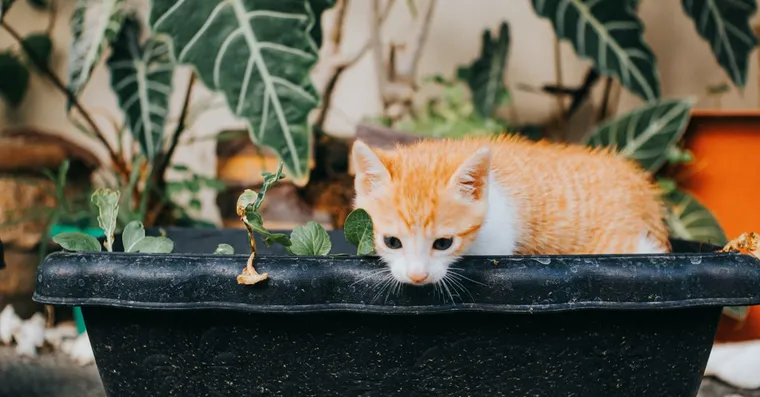
Tall Houseplants Safe for Cats: Beyond the Usual Palm List
Seven tall houseplants that are genuinely safe for cats per the ASPCA list, including several that are not palms, with honest notes on size and difficulty.

Majesty Palm Care: Light, Water, and Why It Browns
Majesty palms are sold as easy indoor palms and are not. They want more light, more water, and more humidity than a living room usually offers.
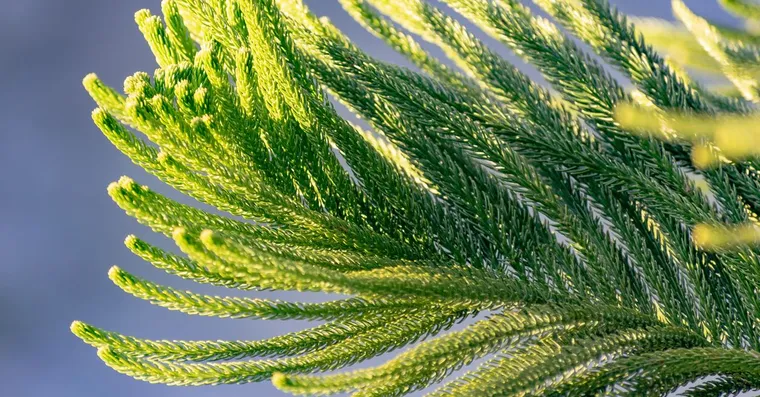
Norfolk Island Pine Care: Keeping It Alive After Christmas
A Norfolk Island pine is a tropical tree, not a conifer, and it will not survive outdoors in a cold winter. Here is what it actually needs indoors.
Not sure what plant you have? Identify it from a photo and we will point you at its care guide.