Troubleshooting
Fungus Gnat Larvae: What They Look Like and How to Kill Them
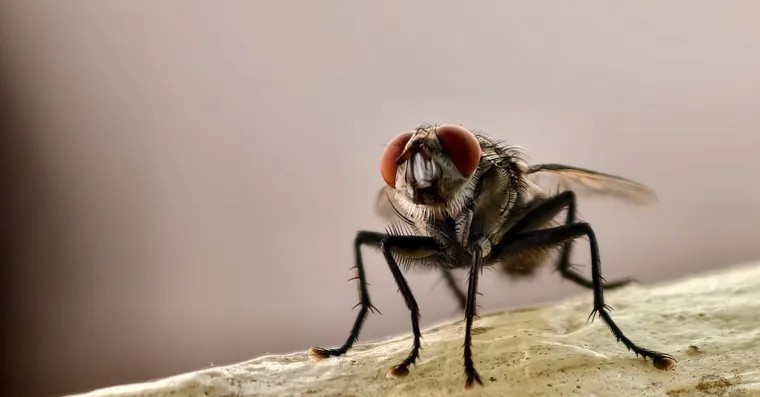
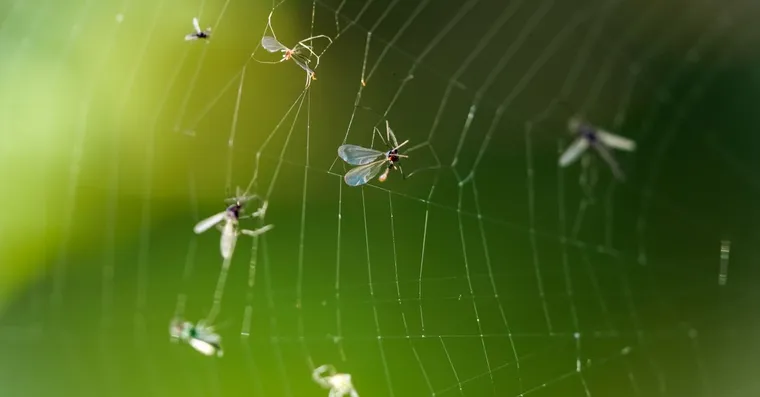
Fungus gnat larvae live in the top few centimetres of soil and eat roots. Here is how to confirm you have them and the treatments that actually clear them.
Category
Diagnose and fix common houseplant problems: yellowing leaves, brown tips, drooping, root rot, and pests, with step-by-step guides.
Fungus gnat larvae live in the top few centimetres of soil and eat roots. Here is how to confirm you have them and the treatments that actually clear them.
Fungus gnats come from your plant pots, fruit flies come from the kitchen. They need completely different treatments, so identify before you treat.
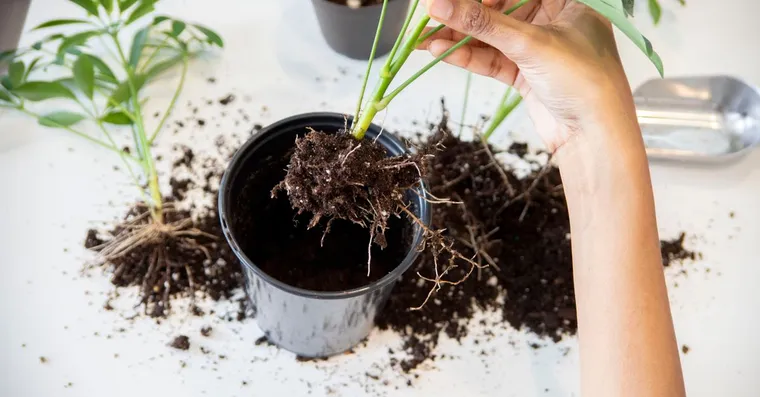
Root rot is diagnosed at the roots, not the leaves. Here is what healthy and rotting roots look like, and which above-ground signs point to it.
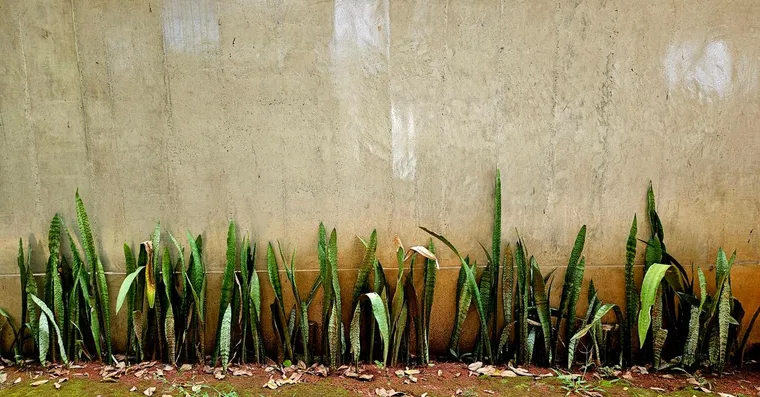
Wrinkled snake plant leaves usually mean the plant cannot take up water, which is more often root rot than thirst. Here is how to tell the two apart.
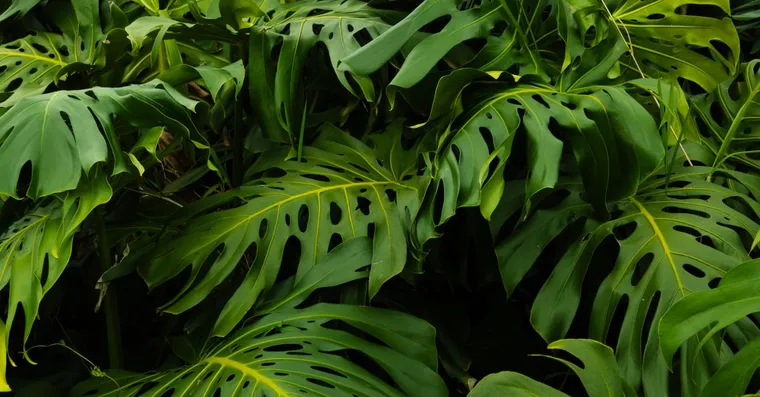
Yellow leaves on a monstera usually mean a watering problem, but light, feeding, and age all matter; here is how to tell them apart.
New monstera leaves without holes or splits are almost always a sign of youth or too little light, not a disease you need to treat.
Snake plant leaves that flop, splay, or fall over usually trace back to overwatering and root rot, with low light and stress adding to it.
Sticky traps only catch adult fungus gnats. BTI, sold as Mosquito Bits, kills the larvae in the soil and actually ends the infestation. How to use it right.
Those water drops on leaf tips in the morning are guttation, not sweat or dew. What causes it, when it is harmless, and when it hints at overwatering.
When water races out the drainage holes in seconds and the plant still droops, the soil has gone hydrophobic. How to rewet it properly and stop it recurring.
How to read brown spots on houseplant leaves, whether they point to overwatering, sunburn, cold, or fungal disease, and what to change for each cause.
A guide to identifying the tiny bugs in your houseplant soil, from fungus gnats and springtails to soil mites and root mealybugs, before you treat.
How to spot cold damage on houseplants, from blackened leaves to sudden drop, and the steps that give a chilled plant its best chance.
How to rescue a cheap, neglected houseplant from a supermarket or hardware store, from the first checks to repotting and aftercare, and when a plant is too far gone.
How to tell whether a drooping, yellowing, or crispy houseplant is overwatered or underwatered, the key differences to look for, and what to do next.
Why powdery mildew appears on houseplant leaves, how to treat it quickly, which plants are most at risk, and how to stop it coming back.
What springtails in houseplant soil actually are, why they appear, whether they harm plants, and the straightforward ways to reduce or remove them.
Why variegated houseplants lose their white or yellow patches and go all-green, what triggers reversion, and whether you can stop or reverse it.
What causes the corky bumps, blisters, and water-soaked spots of edema on houseplant leaves, and how to stop it without mistaking it for pests or disease.
A diagnostic guide to houseplant leaf drop, from normal shedding and shock to watering, light, cold, and pests, with how to work out which it is.
Why a houseplant stops growing, when a pause is perfectly normal, and the handful of changes that get a stalled plant moving again.
Why a houseplant droops, yellows, or stalls after repotting, whether it is shock or something worse, and how to help it recover.
How to tell if a houseplant is root-bound, when it is a problem and when it is fine, and how to ease a pot-bound plant without setting it back.
What the white crust on houseplant soil and terracotta pots really is, whether it is mold or harmful, and how to clear salt and mineral buildup.