White Crust on Houseplant Soil and Pots: What It Is
What the white crust on houseplant soil and terracotta pots really is, whether it is mold or harmful, and how to clear salt and mineral buildup.
Some links in this guide go to Amazon. As an Amazon Associate we earn from qualifying purchases, at no extra cost to you. How this works.
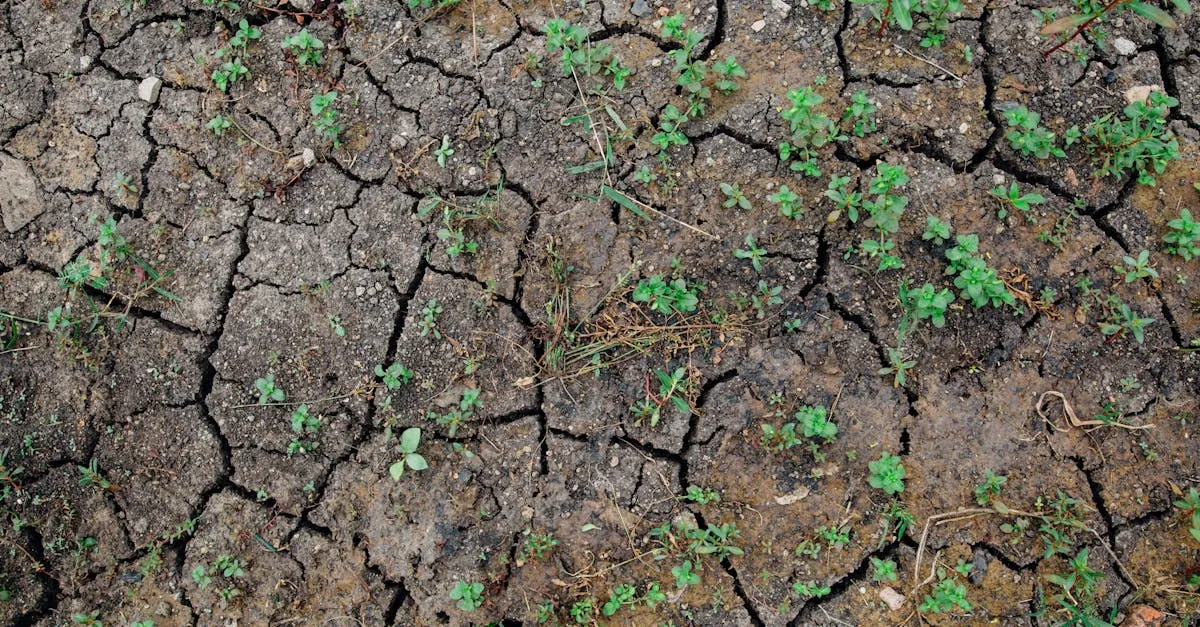
If you have noticed a white crust on your houseplant soil, or a pale chalky line creeping up the rim of a terracotta pot, the reassuring news is that it is almost always mineral and fertilizer salt buildup. As water moves through the soil and evaporates from the surface or the sides of porous pots, it leaves dissolved minerals behind. Over weeks these concentrate into a hard, crusty deposit. It looks alarming; it is really feedback on how you water and feed.
What the white crust on houseplant soil usually is
Salt deposits have a distinctive look and feel. They are hard, gritty, and crystalline, sitting flat on the soil surface and along pot rims where evaporation is fastest. The color ranges from white to yellowish-tan. Crucially, brushing them does not release a puff of spores. If the white patch on your soil is soft, fuzzy, and pulls apart like cobweb, it is mold rather than salts, and the cause and fix differ entirely. That kind of growth, along with the little mushrooms that sometimes appear, is covered in mushrooms and mold in houseplant soil.
Hard water or over-feeding? How to tell your source
Knowing which driver is at work sets your fix priority.
If the crust forms even when you skip feeding for a month, the main driver is mineral-heavy tap water. Tap-driven deposits appear on pot sides as well as the soil surface, and they tend to be white or pale gray in tone. Lucy Liu, at her London nursery, has found that terracotta takes this further: the porous clay wicks calcium and salts through the pot wall, building a thick chalky tide-line that runs from rim to drainage hole by the end of a hard-water summer. The volume of minerals coming in with every watering simply exceeds what drains out. Switching to filtered water, cooled boiled water, or collected rainwater is the most direct lever. Tap water for houseplants explains what is in your supply and which alternatives work best.
If the crust spikes noticeably after a feed, or carries an orange or tan tinge, fertilizer salts are the dominant source. Feeding more than the plant can absorb at its current growth rate pushes excess salts into the soil where they accumulate. What the NPK numbers mean helps you judge how much you are actually applying per watering and whether you are consistently over-applying.
How to clear salt deposits
Flush the soil with volume in mind. Take the pot to a sink and run water through slowly until it drains freely from the bottom. The effective rule is to pass roughly 3 to 4 times the pot volume through the soil in one session: a 6 inches (15 cm) pot holds about 3 quarts (3 L) total, so aim for 3 quarts (3 L) flowing through before the final drain. This dissolves accumulated salts and carries them out rather than simply diluting them. Make sure the pot has drainage holes; flushing a sealed pot just moves the problem.
Scrape the surface crust. Once the soil has dried slightly, remove the top half inch (1 cm) of crusted mix and top up with fresh potting mix. For the mineral coat on the outside of terracotta pots, Lucy soaks the pot in water with a splash of white vinegar for about an hour, which dissolves the chalky crust without abrasives.
Repot if flushing fails to hold. If the crust reappears within two weeks of flushing, the soil is too heavily loaded to recover by flushing alone. Repot into a completely fresh mix. Choosing a houseplant potting mix covers what to look for.
When the crust signals leaf-tip burn
The same salts that build a surface crust also raise the osmotic pressure in the root zone. High osmotic pressure pulls water back out of root cells rather than letting them absorb it, and that stress appears first at the leaf margins as brown, dry tips that look exactly like underwatering but are not. If you are seeing brown tips alongside the crust, the driver is osmotic stress from salt concentration, not drought, and simply watering more will not fix it. Reducing the salt load will. Brown leaf tips explains how to distinguish this pattern from other causes once you have the crust under control.
Prevention: a simple maintenance cadence
A small amount of regular effort keeps salt concentrations from reaching a level that causes harm.
Flush every 6 to 8 weeks if your water supply is hard. You do not need to wait for a visible crust; a periodic flush prevents concentrations from climbing in the first place.
Feed at half the label strength. Most liquid feeds are formulated for commercial growers pushing fast growth. Halving the concentration gives the plant enough nutrition while depositing far less excess salt per watering.
Let the pot drain fully after every watering and empty the saucer within 30 minutes. A pot sitting in pooled water re-deposits salts back into the soil as that water evaporates upward through the drainage holes. How to water houseplants covers the full drainage technique and what to do if your pot sits in a decorative outer container.
Treat the crust as a meter reading, not a problem to scrub away
The mistake to avoid is reaching for more water the moment you see brown tips next to a crust, since extra drought-style watering only carries more dissolved minerals in and concentrates the salt further. Once you have flushed and scraped, let the deposit tell you which lever to pull next: if it keeps returning despite skipped feeds, your water source is the fix, and if it spikes after feeding, halve the dose before you do anything else. Hard-water summers load the fastest, so set a flush reminder for June through August rather than waiting for the next chalky tide-line to appear.
Where to go next
Fungus Gnat Larvae: What They Look Like and How to Kill Them
Fungus gnat larvae live in the top few centimetres of soil and eat roots. Here is how to confirm you have them and the treatments that actually clear them.
What Does Root Rot Look Like? Signs at Every Stage
Root rot is diagnosed at the roots, not the leaves. Here is what healthy and rotting roots look like, and which above-ground signs point to it.
Why Is My Monstera Turning Yellow? Causes and Fixes
Yellow leaves on a monstera usually mean a watering problem, but light, feeding, and age all matter; here is how to tell them apart.
Not sure what plant you have? Identify it from a photo and we will point you at its care guide.
Frequently asked questions
Is white crust on houseplant soil harmful?
The crust itself is not toxic to the plant, but the salt concentration behind it raises osmotic pressure in the soil, making it harder for roots to draw up water. Left to build, that stress shows first as brown, dry leaf tips. Flushing and adjusting your watering and feeding routine keeps the concentration low enough that it causes no lasting damage.
How do I get rid of white crust on soil?
Run roughly 3 to 4 times the pot volume of water through the soil in a slow, steady stream and let it drain fully. For a 6 inches (15 cm) pot that is about 3 quarts (3 L) in total. Scrape off the top half inch (1 cm) of crusted mix and top up with fresh potting mix. If the crust returns within two weeks of flushing, repot into fresh mix entirely, as the soil is too heavily loaded to recover by flushing alone.
Is the white crust mold or salt?
Salt deposits are hard, gritty, and crystalline. They sit flat on the soil surface or along pot rims and do not release spores when you brush them. Mold is soft and fuzzy, often cobweb-like, and typically appears after prolonged damp conditions with poor airflow. If your white patch is hard and crunchy, it is salt. If it is soft and pulls apart like cotton, it is mold.
Why does my terracotta pot have white marks?
Terracotta is porous, so water moves through the pot walls and evaporates from the outside surface, leaving dissolved minerals behind as a white or pale gray bloom. The same salts that build up on the soil surface deposit on the exterior of the pot. Flushing the soil reduces the concentration, and switching to filtered or rainwater slows the reappearance.