How to Choose the Right Potting Mix for Houseplants
A guide to houseplant potting mixes, explaining what good soil contains and how to match or amend it for different types of plants.
Some links in this guide go to Amazon. As an Amazon Associate we earn from qualifying purchases, at no extra cost to you. How this works.
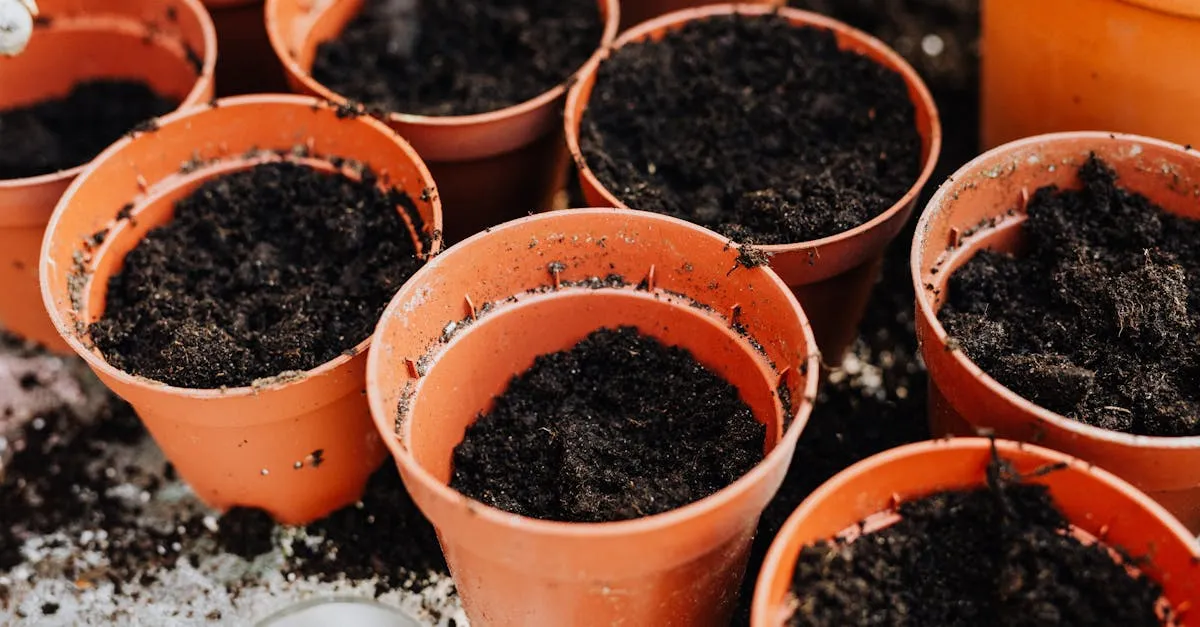
The honest answer is that there is no single houseplant potting mix that suits every plant. A bag labeled “indoor plant soil” is a starting point, not a finished product, and the gap between what is in that bag and what your plant actually needs is the cause of a surprising number of houseplant problems.
Why standard bagged mix lets so many plants down
Most general-purpose bagged mixes are built around peat or coir, fine bark, and a little perlite. That blend holds water well, which is exactly the problem. It compacts over time, the particles pack tightly around the roots, and water lingers in the center of the pot long after the surface feels dry.
Plants that evolved in fast-draining conditions cannot cope with that. Aroids such as monstera, philodendron and pothos grow as climbers with thick roots that expect air pockets, not a dense sponge. Succulents and cacti want their roots to dry out almost completely between waterings. Put either group in a water-retentive mix and the roots sit wet, suffocate, and eventually rot. If you have ever followed a watering schedule carefully and still lost a plant, the mix is the first thing to suspect. It is also a common starting point for root rot.
What a good mix actually does
A potting mix has three jobs: hold enough water and nutrients to feed the plant, drain the excess quickly, and keep enough air around the roots between waterings. Bagged mix usually does the first job well and the other two poorly.
You fix that by adding coarse, chunky material. The goal is structure: a mix that water moves through freely and that does not collapse into mud after a few months. You do not need a branded product to achieve this. Branded “aroid mixes” and “cactus soils” are mostly base mix with amendments added, sold at a markup. Buying the components separately is cheaper and lets you adjust the ratio for each plant.
Simple amendment recipes that work
Start with any decent general houseplant mix as your base, then add by volume.
For aroids and most leafy tropicals. Two parts base mix, one part orchid bark, one part perlite, and a handful of horticultural charcoal if you have it. This keeps moisture available without staying soggy, and suits monsteras, philodendrons, pothos and anthuriums. It also works well for calatheas, which like steady moisture but still resent waterlogged roots.
For succulents, cacti and snake plants. One part base mix, one part perlite or pumice, and one part coarse sand or fine grit. This drains almost immediately, which is what these plants want. A snake plant, ZZ plant or aloe vera will be far happier here than in straight bagged soil.
For ferns, peace lilies and other moisture-lovers. Three parts base mix and one part perlite. These plants genuinely like a damp, retentive mix, so you only need a small amount of extra drainage to stop the soil compacting.
Coarse material is not an additive you sprinkle in; it is the skeleton that holds the whole mix open.
The amendments are straightforward. Perlite and pumice add air and drainage. Orchid bark creates large, slow-rotting air pockets. Coarse sand or grit adds weight and sharp drainage for desert plants. Charcoal helps keep the mix fresh. Avoid fine builder’s sand, which packs down and makes drainage worse. If you are deciding between perlite and LECA as your main drainage amendment, LECA vs perlite for houseplants sets out when each one suits better.
What you can ignore
Two marketing claims are worth dismissing. “Moisture-control” mixes are designed to hold even more water, which is the opposite of what most struggling houseplants need. “Feeds for six months” simply means slow-release fertilizer is mixed in; it works, but it does not replace proper feeding once that charge runs out.
One genuine point: no mix drains well in a pot without holes. Drainage material in the base of a closed pot does not help. The simplest fix is always a pot that lets water out. Refresh the mix whenever you repot, as even a good blend breaks down within a couple of years.
Build the mix around the plant in front of you
The mistake to avoid is decanting every plant into the same bag and hoping for the best, so group your plants by how quickly they like to dry and keep a sack of base mix plus separate buckets of perlite, bark and grit to blend to order. The next time you repot something, use one of the recipes above and then feel how fast the pot dries over the following two weeks, because that is the real test of whether you have the structure right. Adjust the ratio for that plant before you commit the same blend to the rest.
Where to go next
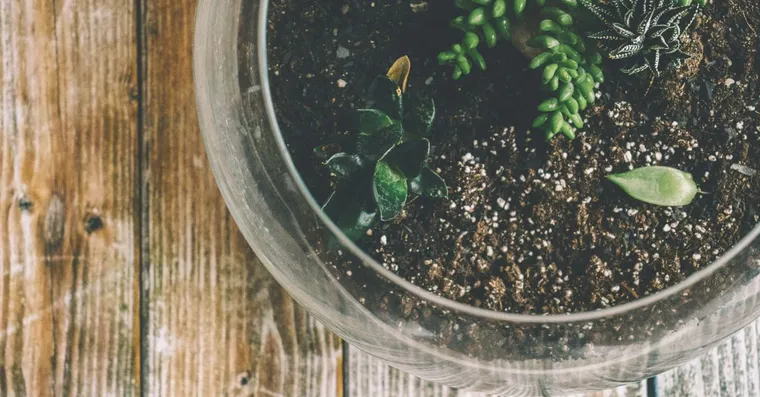
Perlite vs Vermiculite: Which One Your Houseplants Need
Perlite adds drainage and air, vermiculite holds water and nutrients. They do opposite jobs, so the right choice depends on the plant in front of you.
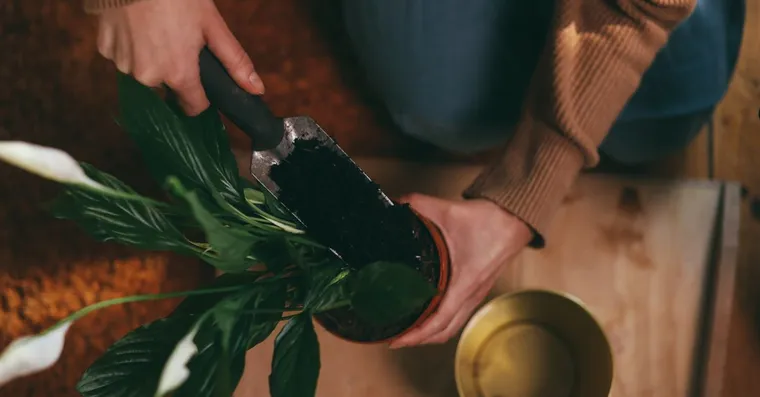
The Best Soil Mix for a Monstera (and a Simple Recipe)
Monstera roots want a chunky, fast draining aroid mix rather than plain potting soil; here is a simple recipe and what each ingredient does.
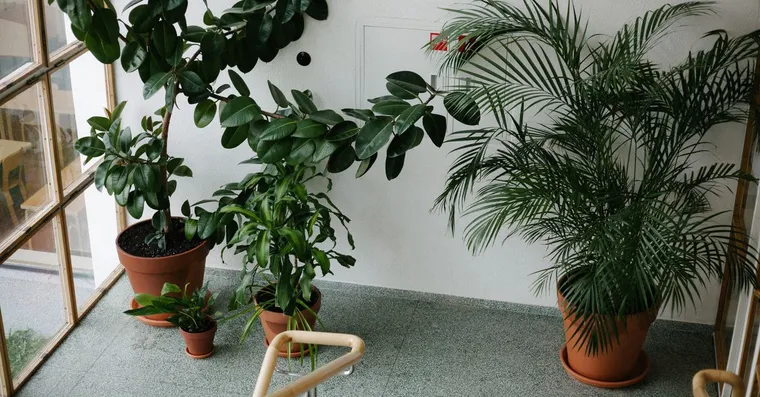
LECA vs Perlite for Houseplants: Which to Use and When
What LECA and perlite each do, why one replaces soil and the other improves it, and which suits semi-hydro, drainage, and propagation.
Not sure what plant you have? Identify it from a photo and we will point you at its care guide.