LECA vs Perlite for Houseplants: Which to Use and When
What LECA and perlite each do, why one replaces soil and the other improves it, and which suits semi-hydro, drainage, and propagation.
Some links in this guide go to Amazon. As an Amazon Associate we earn from qualifying purchases, at no extra cost to you. How this works.
LECA and perlite get compared as if they do the same job, but they solve different problems. Perlite is a lightweight grit you mix into potting soil to improve drainage and air. LECA is a clay aggregate that can replace soil entirely in a semi-hydroponic setup. So the real question is not which is better, but whether you want to improve a soil mix or move away from soil altogether.
Quick answer
Use perlite to make a normal potting mix drain faster and hold more air, which is the cheap, simple fix for plants prone to overwatering. Use LECA if you want to grow without soil in a water-and-nutrient reservoir, or you want a reusable, pest-resistant medium. Perlite improves soil; LECA replaces it.
What each one is
They start from very different materials and end up doing very different jobs.
Perlite. A volcanic glass heated until it pops into lightweight white granules full of air pockets. You mix it into potting soil, usually somewhere between a tenth and a third of the mix, to open up the structure so water drains and roots breathe. It is cheap, sold everywhere, and used as an amendment rather than on its own.
LECA. Lightweight expanded clay aggregate: round, fired clay balls that hold no nutrients themselves. Rinsed and used in a pot with a water reservoir, LECA wicks moisture up to the roots while keeping air around them, which is the basis of semi-hydroponics. Because it is inert, you feed the plant through hydroponic nutrients in the water rather than through soil. The full method is in our guide to LECA and semi-hydroponics.
Which to use
Pick by the result you want, not by which one sounds more advanced.
| Your goal | Better choice | Why |
|---|---|---|
| Make a potting mix drain better | Perlite | Cheap and quick, mixes straight into soil |
| Cut overwatering without a new system | Perlite | More air at the roots, no semi-hydro to learn |
| Grow without soil (semi-hydro) | LECA | Wicks water from a reservoir and resists rot |
| Want a reusable, low-pest medium | LECA | Rinse and reuse it, and it is far less appealing to fungus gnats |
| Root cuttings before potting | Either | Both hold a cutting upright with plenty of air |
For the soil side of the decision, our guide to the best potting soil for houseplants covers what to mix perlite into, and switching to LECA is one way to reduce the overwatering that kills so many houseplants.
Cost, reusability, and effort
Cost. Perlite is cheap and you use a little at a time. LECA costs more upfront, but you can rinse and reuse it for years, so the long-run cost evens out.
Effort. Perlite is the no-learning option: mix it in and water as normal. LECA asks more of you, because semi-hydro means managing a water reservoir, flushing salts periodically, and dosing nutrients, in exchange for fewer rot and pest problems.
Mess and weight. Perlite is dusty, so rinse or dampen it first and avoid breathing the dust, and it floats to the top over time. LECA is heavier but cleaner once rinsed.
Can you use both?
They are usually used separately because they belong to different systems: perlite in a soil mix, LECA in a soil-free one. You can add a handful of LECA at the base of a pot for drainage, or start cuttings in perlite before moving them to LECA, but you would not normally blend the two into a single medium.
What to buy
Match the buy to the job. For better drainage in your existing pots, a bag of perlite stirred into your potting mix is the cheapest upgrade you can make. If you want to try growing without soil, a bag of LECA plus a suitable pot and hydroponic nutrients gets you started, though it is worth reading the full method first so the reservoir and flushing do not catch you out.
Choosing by the setup you want
Perlite improves soil and LECA replaces it, so they are not really rivals. Reach for perlite when you just want a potting mix to drain better, which fixes most overwatering without changing how you garden. Reach for LECA when you want a reusable, low-pest, soil-free system and are happy to manage a reservoir and feed through the water. Choose by the system you want, not by which sounds more advanced.
Where to go next
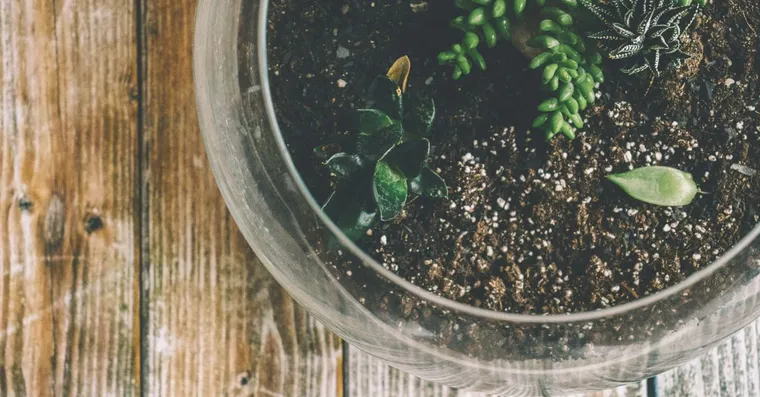
Perlite vs Vermiculite: Which One Your Houseplants Need
Perlite adds drainage and air, vermiculite holds water and nutrients. They do opposite jobs, so the right choice depends on the plant in front of you.
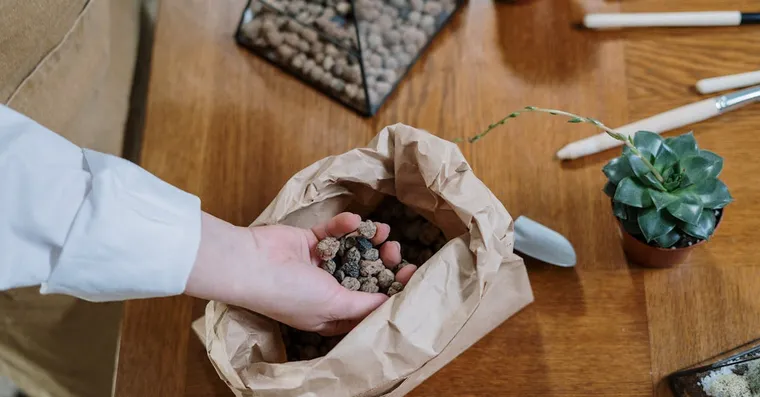
LECA and Semi-Hydroponics: Is It Worth Switching?
A plain guide to growing houseplants in LECA and semi-hydroponics, how the reservoir and nutrients work, and an honest take on whether it is worth it.
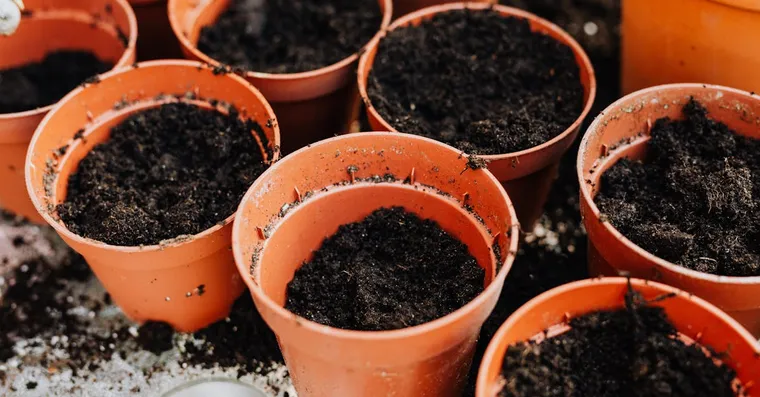
How to Choose the Right Potting Mix for Houseplants
A guide to houseplant potting mixes, explaining what good soil contains and how to match or amend it for different types of plants.
Not sure what plant you have? Identify it from a photo and we will point you at its care guide.
Frequently asked questions
Is LECA better than perlite?
Neither is better overall; they do different jobs. Perlite improves the drainage of a normal potting mix, while LECA replaces soil entirely in a semi-hydroponic setup. Choose perlite to fix a soggy mix and LECA to grow without soil.
Can I mix LECA and perlite together?
You can, but there is rarely a reason to. They belong to different systems: perlite is an amendment for soil, and LECA is a standalone medium used with a water reservoir. Most people use one or the other rather than blending them.
Can I reuse perlite and LECA?
LECA is designed to be rinsed and reused for years. Perlite can be reused if you clean it, but it breaks down and compacts over time and is cheap enough that most people just replace it with fresh mix.
Do I need special nutrients for LECA?
Yes. LECA holds no nutrients of its own, so plants grown in it are fed through hydroponic nutrients added to the water. This is the main difference from soil, which already supplies some feeding.