LECA and Semi-Hydroponics: Is It Worth Switching?
A plain guide to growing houseplants in LECA and semi-hydroponics, how the reservoir and nutrients work, and an honest take on whether it is worth it.
Some links in this guide go to Amazon. As an Amazon Associate we earn from qualifying purchases, at no extra cost to you. How this works.
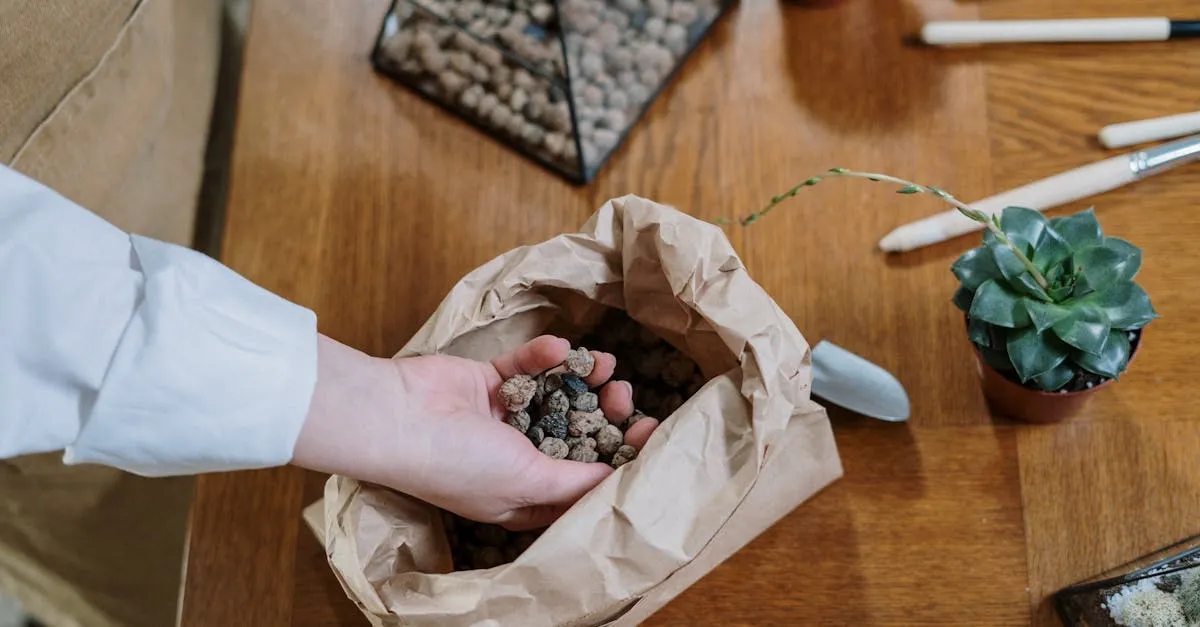
LECA stands for lightweight expanded clay aggregate: small fired clay balls that hold water and air around a plant’s roots instead of soil. Using LECA for houseplants has become popular as a fix for fungus gnats and overwatering, and it can genuinely help with both. But the honest answer is that it is not less work than soil. It is different work, and for many plants it is not worth the switch at all.
Quick answer
LECA is lightweight expanded clay aggregate: inert fired clay balls that wick water up from a reservoir while the roots breathe in the air gaps between them. It genuinely helps with fungus gnats and overwatering, but it is not less work than soil. The clay holds no nutrients, so you must feed with a hydroponic fertilizer at every top-up and flush the salts out with plain water every few weeks. If your plants are healthy in soil, switching adds maintenance for no real gain, so test it on a single easy cutting before converting a collection.
What LECA actually is and how it works
The clay balls themselves hold no nutrients. They are inert. You sit your plant in a layer of LECA inside a container with a water reservoir at the bottom, and the clay wicks moisture upward to the roots through capillary action. The roots breathe in the air gaps between the balls, which is why this method resists the suffocating, soggy conditions that cause root rot in dense, waterlogged soil.
Because the clay carries no food, you have to supply everything the plant needs through the water. That means a hydroponic liquid fertilizer mixed at the correct dilution, used every time you top up or change the reservoir. Plain water alone will slowly starve the plant.
Why people switch to LECA for houseplants
The two real wins are worth stating plainly.
Fewer fungus gnats. Gnats lay eggs in moist organic matter. LECA has none, so it removes their breeding ground almost entirely. If you are fighting a stubborn infestation, this is the most reliable reason to consider it. See our guide to getting rid of fungus gnats before assuming LECA is the only answer.
Less watering guesswork. You can see the water level in a clear reservoir, so the question of whether to water becomes a question of looking. For people who chronically overwater, removing that guesswork can be the difference between a plant that lives and one that rots.
A smaller benefit: roots are visible and easy to inspect, and repotting is cleaner because you rinse and reuse the clay rather than wrestling with compacted soil.
The transition shock is real
When you move a plant from soil to LECA, it has to grow new water roots suited to the wetter, more oxygenated environment. The fine soil roots it grew before often die back during this changeover, and the plant can sulk, drop a leaf, or stall for weeks.
To switch, rinse all soil off the roots completely, trim any mushy or rotten sections, and pot into pre-soaked LECA with the reservoir kept low at first. Plants that root readily in water, like pothos and many philodendrons, handle this best. Slow, woody, or fussy plants take the transition far harder, so start with something forgiving rather than a prized specimen.
The work soil does not ask of you
This is where the “easier” claim falls apart.
You must add nutrients every time. Soil holds a buffer of food; LECA holds none. Forget the fertilizer and the plant declines.
You must flush the salts. Mineral salts from the fertilizer build up on the clay and in the reservoir over time. Left alone they reach levels that scorch the roots and brown the leaf tips. Every few weeks you need to flush the whole system through with plain water to wash them out.
You must watch the water chemistry. LECA exposes roots directly to your tap water, so hard water and its dissolved minerals matter more than they do in soil. If your water is heavily treated, the same cautions in our piece on tap water for houseplants apply with extra force here.
LECA does not remove the work of plant care, it just moves it from the watering can to the nutrient bottle.
When good soil is the better choice
Most houseplants grow perfectly well in a quality mix with proper drainage. The overwatering and gnat problems that drive people to LECA are usually solved by a better potting mix, a pot with a drainage hole, and a more disciplined watering habit. Marketing around LECA often presents it as an upgrade for every plant. It is not. It is a specialist tool that suits hydroponics enthusiasts, people who travel and want a buffer reservoir, and anyone who genuinely cannot stop overwatering. If you are weighing up inorganic media options, the comparison of LECA vs perlite covers when each one makes sense for indoor plants.
If your plants are healthy in soil, switching adds maintenance for no real gain.
Test it on one pothos before converting the shelf
If LECA appeals to you, prove it on a single easy cutting before you uproot a collection, and treat the first few months as a trial rather than a finished switch. The mistake that sinks most beginners is going all-in on prized plants and then forgetting the fertilizer and the salt flush, so let one forgiving plant teach you the routine first. Done properly, success looks dull: a steady reservoir, clean white roots, and no gnats, with the only real demand being that you never skip feeding.
Where to go next
LECA vs Perlite for Houseplants: Which to Use and When
What LECA and perlite each do, why one replaces soil and the other improves it, and which suits semi-hydro, drainage, and propagation.
Air Plant Care: Watering a Plant That Grows Without Soil
A care guide for air plants (tillandsia), explaining how to water a soil-free plant by soaking, the light it needs, and why most air plants die of thirst.
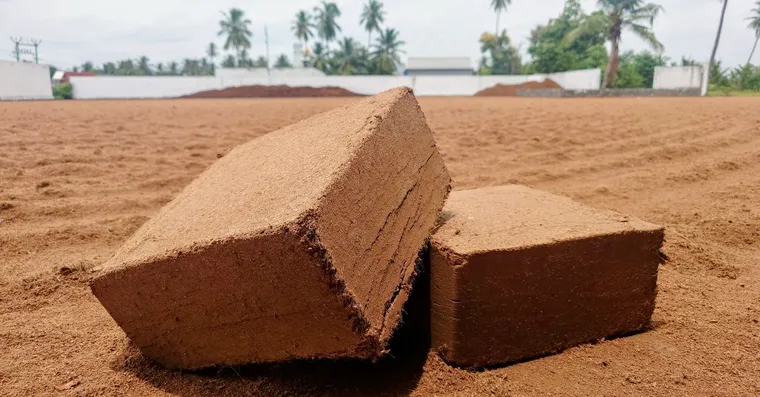
Coco Coir vs Peat Moss: Which Is Better for Houseplants?
Coco coir is renewable and rewets easily, peat moss holds more water and is acidic. Here is how they actually behave in a pot indoors.
Not sure what plant you have? Identify it from a photo and we will point you at its care guide.