Fungus Gnats: How to Get Rid of Them for Good
Those tiny flies around your plants live and breed in damp topsoil. Here is how to dry them out, use BTI to kill the larvae, and keep them gone for good.
Some links in this guide go to Amazon. As an Amazon Associate we earn from qualifying purchases, at no extra cost to you. How this works.
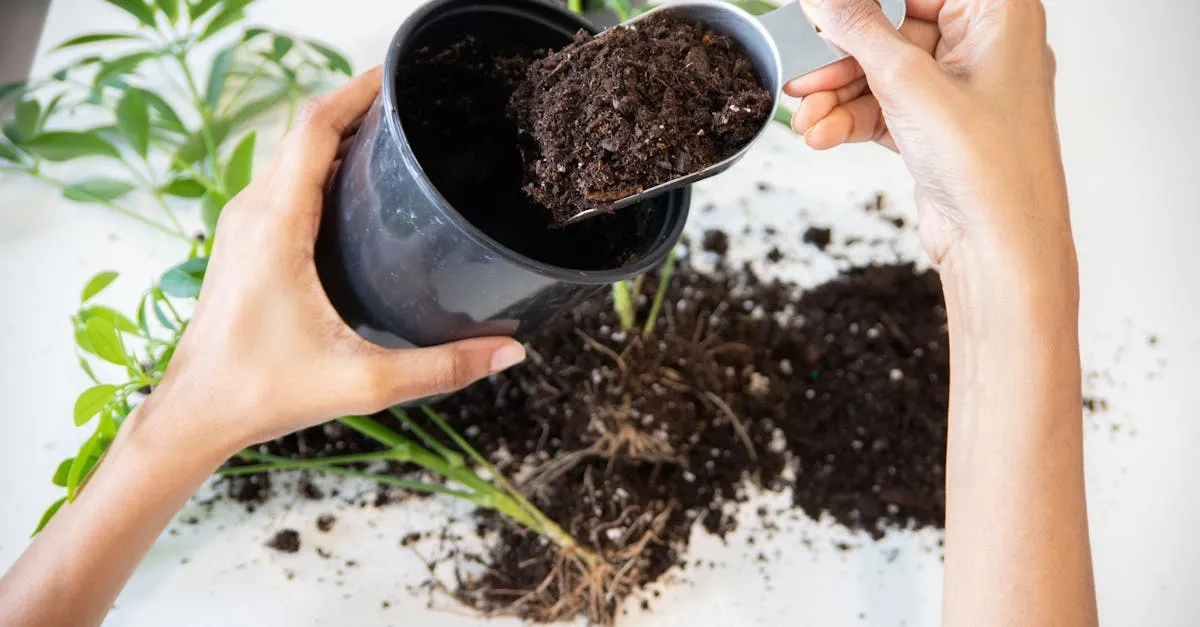
Those tiny black flies drifting up from your pots when you water are fungus gnats, and they are almost never a sign of a serious problem. They are a sign that your topsoil stays wet for too long. Fix the moisture and you fix the gnats: the adults are harmless, but they breed in damp soil, so the only lasting solution is to make that soil less hospitable.
Quick answer
Those tiny flies drifting up from your pots are breeding in damp topsoil, not attacking the plant, so the fix is to make the surface less hospitable rather than to spray the air. Let the top inch or two (3 to 5 cm) of soil dry fully between waterings, or bottom-water so the surface stays dry, which starves the larvae. Add yellow sticky traps to catch the adults and BTI (Mosquito Bits) to kill the larvae in the soil. Expect it to take three to four weeks, because you are breaking a breeding cycle, and consistency matters more than any single treatment. They come back only if the surface drifts back to constantly damp.
Make sure they are actually fungus gnats
Three small flies get confused indoors. Fungus gnats are weak, drifting fliers that rise from the soil and settle back on the pot or nearby leaves. Fruit flies are tan, hover around ripe fruit and the kitchen trash, and fly more directly. Drain flies are fuzzy, moth-like, and cling to bathroom and kitchen tiles near a plughole, not to your plants. If the flies stay close to the soil, they are gnats.
To confirm the larvae are present, lay a slice of raw potato cut-side down on the soil for two days, then lift it and check the underside. Gnat larvae are clear-bodied with a distinct black head capsule and they stay put. If the tiny things you see hop or spring away instead, those are harmless springtails, not gnats, and need no treatment.
Why fungus gnats live in your pots
Fungus gnat larvae feed on fungus, algae, and decaying organic matter in the top 3/4 to 1 inch (2 to 3 cm) of soil. That layer only develops a steady food supply when it stays consistently moist. A pot that dries out near the surface between waterings cannot support a breeding population.
So an outbreak almost always traces back to one of these:
- Watering too often. The most common cause by far. If the top of the soil never dries, larvae always have somewhere to live. This often overlaps with overwatering, though gnats can appear well before the roots are in trouble.
- Dense, organic-rich potting mix. Mixes heavy on peat or compost hold surface moisture and rot slowly, which is exactly what larvae eat.
- Low light and cool temperatures. Soil in a dim corner dries far more slowly, so the same watering schedule that works in bright light keeps a shaded pot permanently damp.
- Bringing in an infested plant. A new plant or a bag of old potting mix can carry eggs and larvae straight into your collection.
Let the topsoil dry out
This is the single change that ends most infestations. Stop watering on a schedule and start watering on the soil’s condition. Push a finger into the pot: if the top 3/4 to 1 inch (2 to 3 cm) are still damp, wait.
For most foliage plants, letting that top layer dry fully between waterings is healthy anyway. Plants like pothos, snake plants, and ZZ plants actively prefer it. Larvae cannot survive a dry surface, and an adult only lives about a week, so two weeks of disciplined watering breaks the cycle on its own.
If a plant genuinely needs steadier moisture, cover the topsoil with a half-inch (1 cm) layer of coarse grit, sand, or perlite. The surface dries fast and the adults cannot reach the soil to lay eggs.
Bottom-watering to starve the surface
Watering from below is the most reliable way to keep the top layer dry while the roots still drink. Sit the pot in a tray of water for fifteen to twenty minutes, let the mix wick moisture up, then drain it fully.
The roots stay hydrated, the surface stays dry, and larvae lose their habitat. It is most useful for plants that resent drying out completely, where simply watering less is not an option.
Yellow sticky traps and BTI
Two tools shorten the wait and tell you whether you are winning.
- Yellow sticky traps. Lay them flat on the soil or stand them just above it. They catch and monitor egg-laying adults, which cuts the next generation, and the catch rate is your progress meter: fewer flies each week means it is working.
- BTI (Bacillus thuringiensis israelensis). A biological larvicide, and the one treatment that goes after the larvae rather than the adults. Sold as mosquito bits or mosquito dunks, BTI is a soil bacterium that kills gnat larvae and nothing else. Steep the bits in your watering can and use the water as a soil drench, or scatter them on the surface and water normally. It is safe around pets and people.
Skip the household fixes that get passed around. A splash of dish soap can zap a few adults on contact, and cinnamon is mildly antifungal, but Lucy Liu, our nursery reviewer, flags both as mostly a placebo against an infestation: they completely miss the real problem, which is the hundreds of larvae in the damp soil eating root hairs. A soil drench of BTI is what actually reaches them.
Adults are the symptom; wet topsoil is the disease. Treat the soil, not the flies.
Why it takes three to four weeks
Knowing the lifecycle saves you from quitting too soon. Eggs hatch in about three to six days, the larvae feed in the topsoil for roughly two weeks, then pupate and emerge as adults. Even after a BTI drench that is working, new adults keep emerging for about two weeks, because the ones that were already pupating when you treated finish their cycle regardless. That gap is exactly where most people give up, deciding the treatment failed. As Lucy puts it, you have to play the long game: judge progress by a falling weekly trap count, not by an overnight zero.
Why consistency beats one-off treatments
A single soil drench or one round of traps clears the gnats you can see and does nothing about eggs already in the pot. Days later a new generation hatches and you are back where you started.
Treat every pot at once, since gnats move freely between plants, and keep going for three to four weeks: long enough to outlast the full egg-to-adult cycle. Then hold the watering habit that dries the surface. Drift back to soggy topsoil and the gnats return; keep it dry and they have nowhere to breed.
The habit that keeps them from returning
The traps and BTI clear the generation you can see, but it is the dry topsoil that decides whether a new one ever starts. Once the flies are gone the temptation is to drift back into frequent watering, and that is exactly when they reappear. Make checking the surface with a finger before every water your standing routine, and the single treatment you have just done becomes the last one you need.
Where to go next
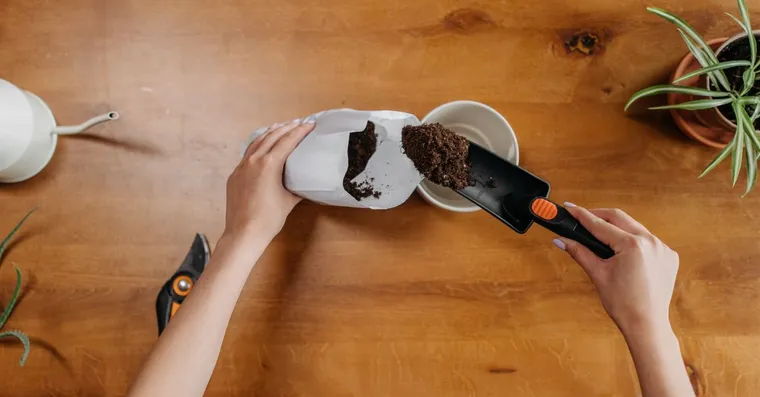
Fungus Gnat Larvae: What They Look Like and How to Kill Them
Fungus gnat larvae live in the top few centimetres of soil and eat roots. Here is how to confirm you have them and the treatments that actually clear them.
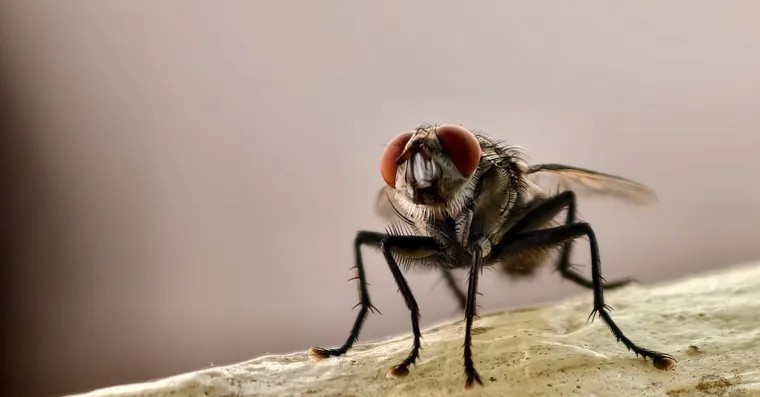
Fungus Gnats vs Fruit Flies: How to Tell Which You Have
Fungus gnats come from your plant pots, fruit flies come from the kitchen. They need completely different treatments, so identify before you treat.
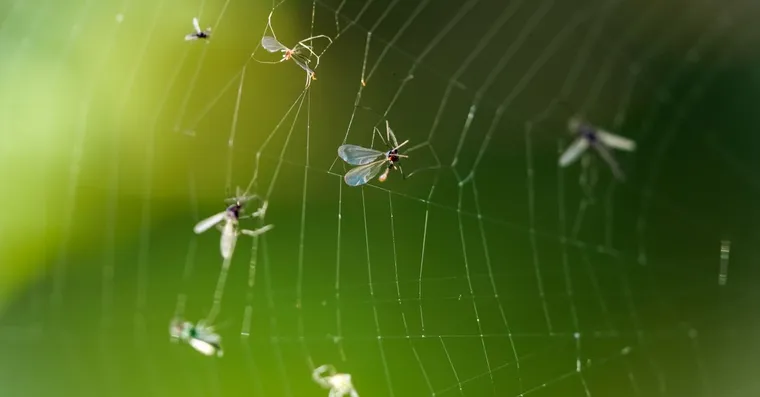
BTI for Fungus Gnats: How Mosquito Bits Actually Work
Sticky traps only catch adult fungus gnats. BTI, sold as Mosquito Bits, kills the larvae in the soil and actually ends the infestation. How to use it right.
Not sure what plant you have? Identify it from a photo and we will point you at its care guide.
Frequently asked questions
Will fungus gnats kill my plant?
Not an established plant; the larvae graze fungus and debris, not healthy roots. The exception is seedlings and fresh cuttings, whose fine new roots the larvae will graze when other food runs short, so keep those on the drier side and use BTI.
Will repotting get rid of fungus gnats?
Not on its own. The larvae ride along in the root ball into the new pot, and watering the fresh mix the same way keeps the surface wet for them. Repotting only helps if you also let the topsoil dry between waterings.
Why do the gnats keep coming back?
Almost always because the watering drifted back to a constantly damp surface, not because the treatment failed. Once the top of the soil dries between waterings the larvae have nothing to feed on.