BTI for Fungus Gnats: How Mosquito Bits Actually Work
Sticky traps only catch adult fungus gnats. BTI, sold as Mosquito Bits, kills the larvae in the soil and actually ends the infestation. How to use it right.
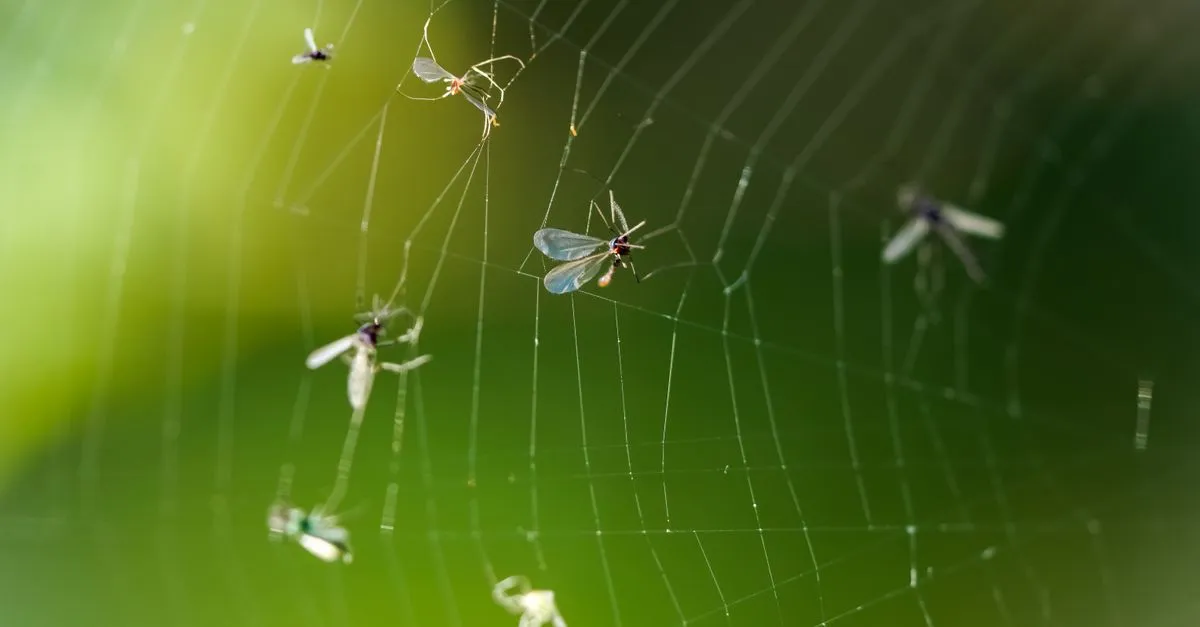
If fungus gnats keep coming back no matter how many you swat, the flies you can see are not the problem. At any moment most of the population is larvae feeding in the top inch or two (3 to 5 cm) of damp soil, and mosquito bits for fungus gnats work because they target that larval stage instead of the adults. Kill the larvae on a schedule and the whole cycle collapses within a few weeks.
Quick answer
BTI, short for Bacillus thuringiensis subspecies israelensis, kills fungus gnat larvae in the soil, which is why it ends infestations that traps and sprays only dent. Soak two or three tablespoons of Mosquito Bits granules in a watering can for 30 minutes or more, water your plants with that liquid every time you water for three to four weeks, and let the top 3/4 to 1 inch (2 to 3 cm) of soil dry between waterings. Expect two to three weeks before the flies clearly thin out.
Why traps and surface sprays never quite finish the job
The gnats flying around your plant are a small fraction of the total. The rest are eggs and larvae in the top layer of moist potting mix, where the larvae feed on fungi, algae and decaying organic matter. A yellow sticky trap catches adults, and a surface spray hits whatever is sitting on top, but neither reaches the larvae doing the actual breeding. Every larva you miss matures into an adult that can lay a couple of hundred eggs. That is why an infestation shrugs off traps and bounces straight back. If you are still not certain the culprit is gnats rather than something else, tell the soil bugs apart first.
What BTI actually is
BTI is short for Bacillus thuringiensis subspecies israelensis, a naturally occurring soil bacterium. It produces proteins that are toxic specifically to the larvae of flies, including fungus gnats and mosquitoes, and to almost nothing else. When a larva eats the bacterium, those proteins rupture its gut and it stops feeding. Used as directed, BTI is safe for your plants, your pets and you: mammals, birds, bees and earthworms lack the gut chemistry it acts on. Mosquito Bits are corn granules coated with the bacterium, which makes them easy to dose into a pot.
How to use mosquito bits for fungus gnats
Ranked from most to least effective:
Soak and water in. This is the method that actually clears an infestation. Put two or three tablespoons of granules into your watering can, top up with water, and let it steep for 30 minutes or more so the bacterium washes off the granules. Water your plants with that liquid, drenching the whole soil surface, and do it every single time you water for three to four weeks. Continuous dosing is the point: fresh larvae are hatching daily, so the soil needs live BTI in it whenever they start feeding.
Sprinkle on the surface. Scattering dry granules on top of the soil works too, but slowly, because the bacterium only releases when the granules get wet. Treat this as a top-up between soakings, not the main event.
How long it takes to work
Expect two to three weeks before the flies clearly thin out, and do not panic when adults keep appearing in the first week. Eggs and older larvae already in the soil have to finish cycling into adults, and BTI does nothing to eggs or to the flies themselves. Each new batch of larvae, though, eats the bacterium and dies before it can breed, so the numbers fall off a cliff once that first generation ages out.
You are not killing the gnats you can see, you are making sure the next generation never hatches into breeders.
What to pair it with
Let the top dry out. Fungus gnat larvae need consistently damp soil. Letting the top 3/4 to 1 inch (2 to 3 cm) dry between waterings removes their nursery and does half the work for you. Bottom watering or a lighter, faster-draining mix both help here; see how to water houseplants for the practical version.
Keep sticky traps as a gauge, not a cure. Yellow sticky traps are useful for one thing: telling you whether adult numbers are rising or falling. Use them to monitor progress, not as your main weapon.
The folklore, and what actually holds up
Plenty of home remedies circulate for gnats, and most underperform:
Cinnamon gets recommended as an antifungal to starve the larvae. In practice a light dusting does very little to an established population.
Hydrogen peroxide drenches do kill larvae they touch, fizzing on contact, but the peroxide breaks down within minutes and leaves nothing behind. Miss a larva or an egg and it survives, so this is a one-off knock-down, not a fix.
Sand and pebble mulches are meant to block adults from laying. They are easily defeated: gnats find gaps, and the soil below the barrier stays moist and hospitable to any larvae already there.
None of these break the cycle the way sustained BTI dosing does. For the full campaign against a stubborn infestation, read getting rid of fungus gnats for good.
Getting to the last generation
BTI is the one treatment that reaches the larvae doing the breeding, which is why it works when traps and sprays stall. Soak the granules, water them in every time for three to four weeks, and keep the top of the soil drying out between waterings. Watch your sticky traps: when a fresh trap stays clean for a week, the cycle is broken and you can stop.
Where to go next
Fungus Gnat Larvae: What They Look Like and How to Kill Them
Fungus gnat larvae live in the top few centimetres of soil and eat roots. Here is how to confirm you have them and the treatments that actually clear them.
Fungus Gnats vs Fruit Flies: How to Tell Which You Have
Fungus gnats come from your plant pots, fruit flies come from the kitchen. They need completely different treatments, so identify before you treat.
Springtails in Houseplant Soil: What They Are and What to Do
What springtails in houseplant soil actually are, why they appear, whether they harm plants, and the straightforward ways to reduce or remove them.
Not sure what plant you have? Identify it from a photo and we will point you at its care guide.
Frequently asked questions
How do I use Mosquito Bits for fungus gnats?
Soak two or three tablespoons of granules in your watering can for 30 minutes or more, so the bacterium washes off the granules, then water your plants with that liquid, drenching the whole soil surface. Do it every single time you water for three to four weeks. Continuous dosing is the point, because fresh larvae hatch daily and the soil needs live BTI in it whenever they start feeding. Sprinkling dry granules on top works too, but slowly, so treat that as a top-up.
How long does BTI take to kill fungus gnats?
Two to three weeks before the flies clearly thin out. Do not panic when adults keep appearing in the first week: eggs and older larvae already in the soil have to finish cycling into adults, and BTI does nothing to eggs or to the flies themselves. Each new batch of larvae eats the bacterium and dies before it can breed, so numbers fall off a cliff once that first generation ages out.
Is BTI safe for pets and people?
Yes, used as directed. BTI is Bacillus thuringiensis subspecies israelensis, a naturally occurring soil bacterium that produces proteins toxic specifically to the larvae of flies, including fungus gnats and mosquitoes, and to almost nothing else. Mammals, birds, bees and earthworms lack the gut chemistry it acts on. Mosquito Bits are corn granules coated with the bacterium, which is what makes them easy to dose into a pot.
Why do sticky traps not get rid of fungus gnats?
Because the gnats flying around are a small fraction of the total. The rest are eggs and larvae in the top layer of moist potting mix, and every larva you miss matures into an adult that can lay a couple of hundred eggs. A trap catches adults and a surface spray hits what sits on top, but neither reaches the larvae doing the actual breeding. Keep traps as a gauge of whether numbers are rising or falling, not as the cure.
Sources
- US EPA: Bti (Bacillus thuringiensis subspecies israelensis) contains spores that produce toxins that specifically target and only affect the larvae of the mosquito, blackfly and fungus gnat, has no toxicity to people, and the toxins do not affect other insects including honey bees.
- UC Statewide IPM Program: Bacillus thuringiensis ssp. israelensis acts as a gut toxin to the larvae of mosquitos, flies, and gnats, which die of infection and starvation after eating the spores.