Tiny Bugs in Houseplant Soil: How to Tell Them Apart
A guide to identifying the tiny bugs in your houseplant soil, from fungus gnats and springtails to soil mites and root mealybugs, before you treat.
Some links in this guide go to Amazon. As an Amazon Associate we earn from qualifying purchases, at no extra cost to you. How this works.
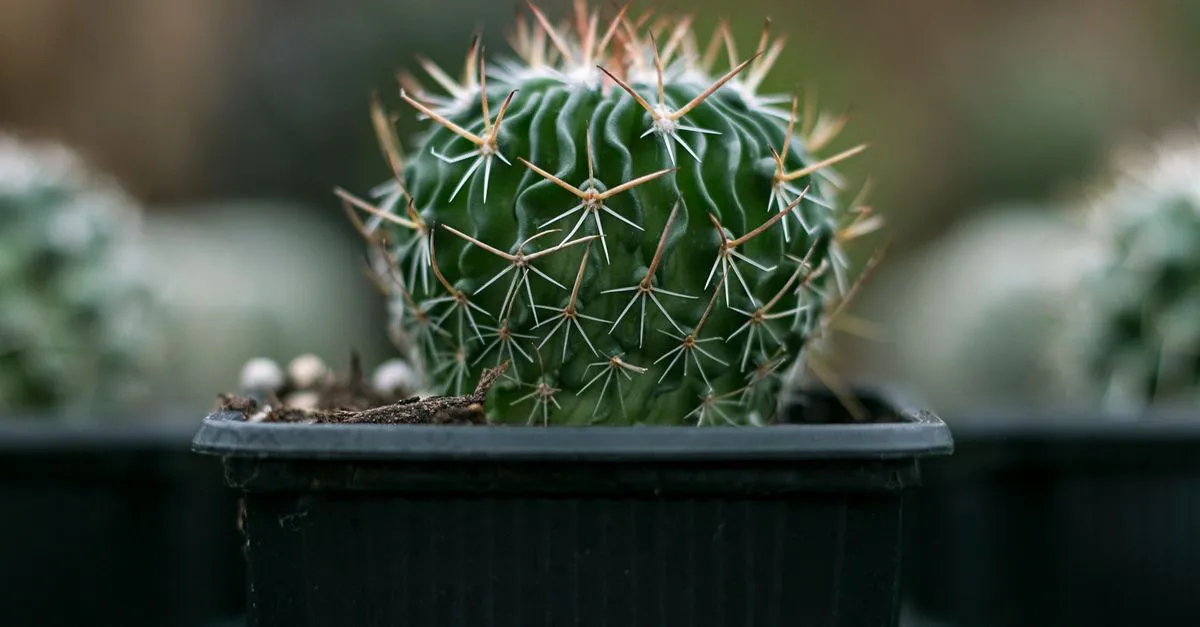
Most of the tiny bugs you find in houseplant soil are harmless, and only a couple are worth treating. The trick is identifying what you have before you reach for a spray, because the most common culprits, springtails and soil mites, do no damage at all and need nothing more than drier soil. This guide helps you tell them apart so you treat the right thing, or nothing at all.
Look at behavior and location before anything else
Movement and location tell you more than color or size. Watch the soil surface for a minute, ideally just after watering, when activity tends to pick up.
Do they fly? Small dark insects drifting up from the pot when you water or brush the soil are almost certainly fungus gnats. Do they jump or ping away? Tiny specks that spring back when you disturb the surface are springtails. Do they crawl slowly across the rim? Slow-moving pinhead specks on the pot rim or the surface of the compost tend to be soil mites. Are they on the roots rather than the surface? White waxy clusters around the root ball when you unpot are root mealybugs. Are they thin white threads wriggling in waterlogged compost? Those are pot worms.
Getting clear on movement and position before you do anything else means you avoid treating the wrong thing, which is the most common mistake.
Fungus gnats: annoying flyers whose larvae damage roots
Fungus gnats are tiny black flies, 1/16 to 1/8 inch (2 to 3 mm) long. The adults are a nuisance but not a direct threat to your plant. The larvae are the real problem: they hatch in the top inch or two (3 to 5 cm) of consistently damp compost and feed on decaying organic matter and, when populations are high, on the fine root hairs of young or stressed plants. Seedlings and cuttings are most vulnerable; a mature, healthy monstera can usually shrug off a light infestation.
How to confirm them. Press a piece of yellow sticky trap flat against the soil surface. If you catch small black flies overnight, you have fungus gnats. The larvae themselves are transparent with a shiny black head and are hard to spot without looking closely at disturbed damp compost.
How to fix them. The most effective approach is a combination of letting the top 2 inches (5 cm) of soil dry out between waterings, which kills larvae that need moisture to survive, and applying Bacillus thuringiensis var. israelensis (sold as BTi or mosquito bits). Soak the mosquito bits in water overnight, strain, and use the liquid to water the plant. BTi is a soil bacterium that is harmless to plants, pets, and people but kills fungus gnat larvae within days. Yellow sticky cards placed just above the pot catch adults and reduce the breeding population. Full treatment detail is in the guide to getting rid of fungus gnats.
Springtails: harmless jumpers that thrive in wet soil
Springtails are minute, often white or pale gray, and measure less than 1/16 inch (2 mm). They get their name from a forked appendage called a furcula, tucked under the abdomen, that flicks them into the air when they sense a threat. If a speck in your pot springs sideways when you touch it, it is almost certainly a springtail.
They feed exclusively on fungi, algae, and decaying organic material. They do not eat roots, stems, or leaves, and they cannot damage a healthy plant. Their presence is almost always a sign that the compost has been staying wet: they need moisture to breathe through their skin and will die off as soil dries.
What to do. Let the soil surface dry properly between waterings. Springtail numbers drop quickly once the top layer is no longer perpetually damp. If you bottom-water regularly, check that the pot is not sitting in standing water in the saucer. Empty saucers an hour after watering so the soil can drain freely. Read more in the guide to springtails in houseplant soil.
Soil mites: slow crawlers that decompose organic matter
Soil mites are arachnids, distantly related to spiders, and are common in any compost that contains a lot of organic matter. They are typically pale brown or off-white and move slowly across the soil surface or up the inside of the pot. At their largest they are about the size of a full stop, which is still very small.
There are thousands of species of soil mites. The ones found in houseplant pots are almost all detritivores: they break down dead organic matter and recycle nutrients back into the soil. They do not attack living plant tissue. You are most likely to find them in rich, peaty composts or in pots that have not been repotted for several years, where organic material has had time to build up.
What to do. Nothing, in most cases. If the numbers bother you, repotting into a fresh, well-draining mix reduces the habitat they depend on. You do not need a pesticide.
Root mealybugs: the one soil pest that genuinely harms roots
Root mealybugs are the exception on this list. They are small, soft, white insects with a faintly waxy or powdery coating, and they feed by sucking sap from roots rather than decomposing organic matter. Because they live underground, you often do not notice them until the plant starts declining: yellowing leaves, wilting despite adequate water, and slow growth are the usual signs.
The tell-tale evidence appears when you unpot the plant: white waxy specks clustered around the root ball and on the inner wall of the pot, sometimes with a faint white dusty residue running through the compost.
How to fix them. Remove as much of the old compost as you can from the roots, rinse the roots under running water, and inspect them closely. Discard the old soil rather than composting it. Treat the roots and root zone with a diluted solution of neem oil or an appropriate systemic insecticide labeled for root pests, following the product instructions. Repot into fresh, sterile compost. Check the plant weekly for several weeks, as eggs can survive the first treatment and hatch later.
Pot worms: thread-like worms in waterlogged compost
Pot worms are thin, white, thread-like worms, usually 1/16 to 1/4 inch (1 to 5 mm) long, that appear in very wet or compacted compost. They are enchytraeid worms, close relatives of earthworms, and they feed on decaying organic matter and bacteria in the soil. They do not eat roots or harm your plant directly.
Finding pot worms is a clear signal that the compost has been too wet for too long, often because the pot has poor drainage or the plant is being overwatered. Like springtails, they fade away as conditions improve.
What to do. Let the soil dry out more between waterings and ensure the pot has adequate drainage holes. If the compost has become compacted or very old, repotting into a fresh, free-draining mix is the most effective reset.
Most bugs in houseplant soil are part of the cleanup crew. The exceptions are fungus gnats, whose larvae can nibble fine roots, and root mealybugs, which feed directly on root tissue. Treat those two; leave the rest alone.
Practical fixes that work across multiple pests
Several habits address most soil-dwelling bugs at once, because wet compost is the single condition that most of them share.
Let the top layer dry properly. Allowing the top 2 inches (5 cm) of compost to dry between waterings removes the moisture that fungus gnat larvae, springtails, and pot worms all depend on. This one change resolves most infestations without any product.
Switch to bottom-watering. Filling a tray with water and letting the pot absorb from below keeps the top of the soil drier, which is exactly where fungus gnats lay eggs. It is especially effective for plants that need regular watering but are prone to gnats.
Use BTi (mosquito bits) for fungus gnats. Bacillus thuringiensis var. israelensis is the most targeted and least disruptive treatment for gnat larvae. It leaves the rest of the soil ecosystem intact, including any beneficial springtails and mites.
Yellow sticky traps for adults. Placed just above the pot, yellow cards catch fungus gnat adults and help you monitor whether a treatment is working.
Repot when in doubt. If you suspect root mealybugs, or if the compost is very old and harbouring large populations of any creature, fresh sterile potting mix eliminates the problem at the source.
Telling harmless decomposers from root-damaging pests
The dividing line is simple: does it live on dead organic matter, or does it feed on living plant tissue? Springtails, soil mites, and pot worms are decomposers. They are doing useful work in the soil and will leave on their own once conditions become less hospitable. Fungus gnat larvae and root mealybugs are the two that cross into living plant material, and they are the only ones that warrant active treatment.
If your plant looks healthy, its roots are white and firm, and the only evidence you have is movement on the soil surface, the most likely answer is that you have a harmless decomposer and slightly wet compost. Adjust your watering, observe for a week, and the problem usually resolves itself.
Where to go next
Fungus Gnat Larvae: What They Look Like and How to Kill Them
Fungus gnat larvae live in the top few centimetres of soil and eat roots. Here is how to confirm you have them and the treatments that actually clear them.
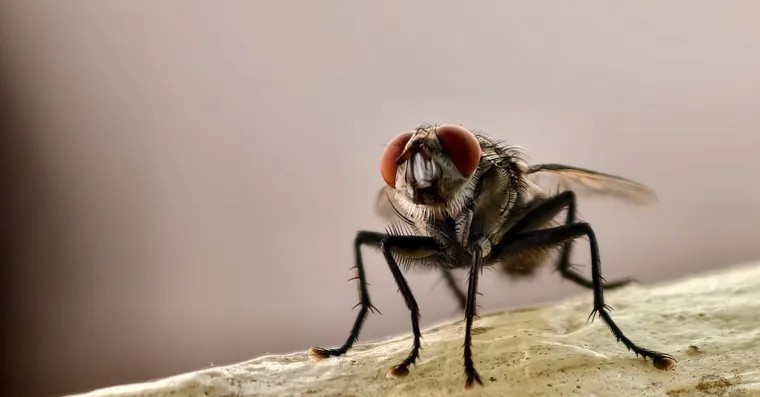
Fungus Gnats vs Fruit Flies: How to Tell Which You Have
Fungus gnats come from your plant pots, fruit flies come from the kitchen. They need completely different treatments, so identify before you treat.
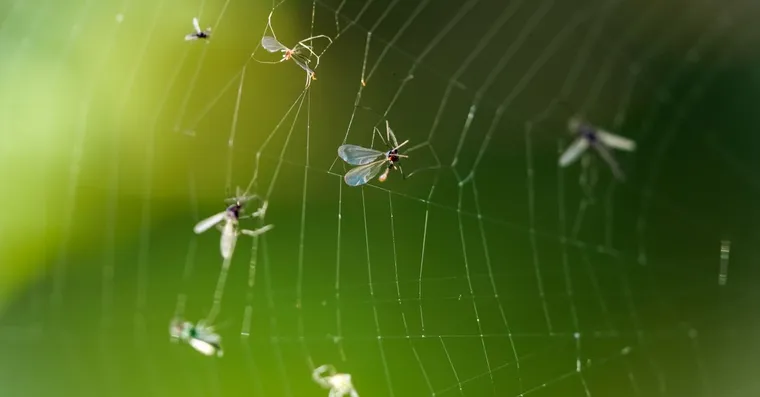
BTI for Fungus Gnats: How Mosquito Bits Actually Work
Sticky traps only catch adult fungus gnats. BTI, sold as Mosquito Bits, kills the larvae in the soil and actually ends the infestation. How to use it right.
Not sure what plant you have? Identify it from a photo and we will point you at its care guide.
Frequently asked questions
What are the tiny bugs in my houseplant soil?
Identify by movement and location rather than color or size. Small dark insects drifting up when you water are fungus gnats. Tiny specks that spring away when you disturb the surface are springtails. Slow-moving pinhead specks crawling on the pot rim are soil mites. White waxy clusters around the root ball when you unpot are root mealybugs. Thin white threads in waterlogged compost are pot worms. Watch the surface for a minute just after watering, when activity picks up.
Are springtails harmful to houseplants?
No. Springtails feed exclusively on fungi, algae and decaying organic material, so they do not eat roots, stems or leaves and cannot damage a healthy plant. They are named for a forked appendage called a furcula that flicks them into the air when threatened, which is the giveaway. Their presence means the compost has been staying wet, because they breathe through their skin. Let the surface dry properly between waterings and numbers drop quickly.
Which soil bugs actually need treating?
Only two of the five. Fungus gnat larvae feed on fine root hairs when populations are high, which matters most for seedlings, cuttings and stressed plants. Root mealybugs suck sap directly from roots and are the one genuinely damaging soil pest here. Springtails, soil mites and pot worms are decomposers living on dead organic matter, doing useful work, and they leave on their own once conditions dry out. The dividing line is dead matter versus living tissue.
How do I get rid of bugs in houseplant soil?
Let the top 2 inches (5 cm) of compost dry between waterings. That single change removes the moisture fungus gnat larvae, springtails and pot worms all depend on, and it resolves most infestations without any product. Bottom-watering helps too, because it keeps the surface drier, which is exactly where fungus gnats lay eggs. For gnats specifically, BTi kills the larvae while leaving the rest of the soil life intact. Repotting into fresh sterile mix is the full reset.