Why Is My Monstera Turning Yellow? Causes and Fixes
Yellow leaves on a monstera usually mean a watering problem, but light, feeding, and age all matter; here is how to tell them apart.
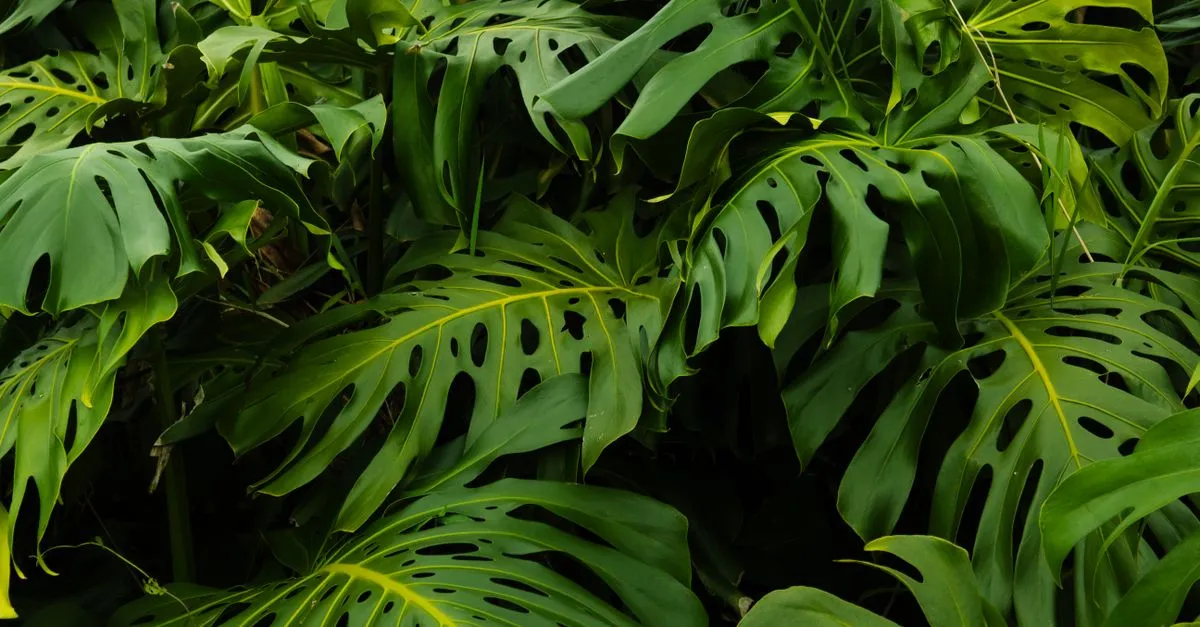
A yellowing Monstera is almost always a watering problem, and the most common cause by far is too much water rather than too little. Before you do anything, accept one thing: a yellow leaf will not turn green again, so the goal is not to rescue that leaf but to stop the next one going the same way. This guide works through why your Monstera is turning yellow in order of likelihood, so you can find your cause quickly.
Quick answer
A yellow leaf will not turn green again, so the goal is to stop the next one, not save that one. Most yellowing is a watering problem, and overwatering is the most common by far: several soft yellow leaves with soil that stays wet for days point there, and the fix is to water less often and check the roots for rot. Crisp brown edges with soil pulled away from the pot mean the opposite, underwatering. Slow yellowing of the oldest lower leaves is usually low light or simple age, not an emergency. Work through the causes below in order before you act.
Overwatering and root rot: the usual reason a Monstera turns yellow
If several leaves are yellowing, the soil stays wet for days, and the yellowing looks soft or comes with brown mushy patches, overwatering is your answer. Monstera roots need air between waterings. When the mix stays soggy, the roots suffocate, begin to rot, and can no longer move water up to the leaves, which is why an overwatered plant can look oddly like a thirsty one.
Check the roots. Healthy Monstera roots are firm and pale; rotting ones are brown, soft, and smell sour. If you find rot, slide the plant out of its pot, cut away every mushy root with clean snips, and repot into fresh, chunky mix in a pot with a drainage hole. Then water only when the top inch or two (3 to 5 cm) are dry. Most Monsteras want watering roughly once a week, but go by the soil, not the calendar. Root rot and how to save an overwatered plant cover the full recovery in detail.
Underwatering
Less common, but it happens. If the whole plant looks thirsty, the soil has pulled away from the sides of the pot, and the yellowing comes with crisp brown edges rather than soft patches, you have let it get too dry. Very dry peat-based mix can also turn hydrophobic and repel water, so it runs down the gap and straight out the bottom without soaking in.
The fix is a proper soak. Water slowly until it drains freely, or bottom water by standing the pot in a tray for twenty minutes, then settle into a steadier rhythm.
Low light
A Monstera in a dim corner cannot photosynthesize enough to support all its leaves, so it sheds the oldest ones, and they yellow on the way out. This is slow, and it usually affects the lower, inner leaves first. New growth tends to be small and unsplit too.
Move it to bright, indirect light: within 3 feet (1 m) or two of a window that gets plenty of daylight, but out of harsh midday sun. If your home simply lacks light, a grow light solves it. Weak light and small leaves often travel together, which is covered in Monstera care.
A nutrient shortfall
If watering and light are right and only the older leaves are gently, evenly yellowing, the plant may be short of nutrients, usually nitrogen. This is common in a Monstera that has sat in the same tired soil for a year or more.
Feed with a balanced houseplant fertilizer at half strength every few weeks through spring and summer, and ease off in winter. Do not overdo it: more feed will not green up a leaf that has already turned, and salty, over-fertilized soil causes its own brown-tipped damage.
The old lower leaves that yellow no matter what
Here is the reassuring part. A single old leaf near the base turning yellow while the rest of the plant thrives is completely normal. The plant is retiring an old leaf to fund new growth, and there is nothing to fix.
One yellow leaf at the bottom is maintenance; several yellow leaves at once is a message.
You can snip the spent leaf off at the base with clean snips if you dislike the look. Watch the pattern, not the single leaf: how many, how fast, and which leaves tell you whether this is routine or a warning.
What to check first, and what to watch next
Start with the soil. If it is wet and the yellowing is soft, treat it as overwatering and check the roots, because that is the cause most likely to spread. Remember that the yellow leaf itself is gone either way, so success looks like healthy new growth and no fresh yellowing, not a recovered leaf. Over the next few weeks, track how many leaves yellow and how quickly, and you will know whether you have solved it.
Where to go next
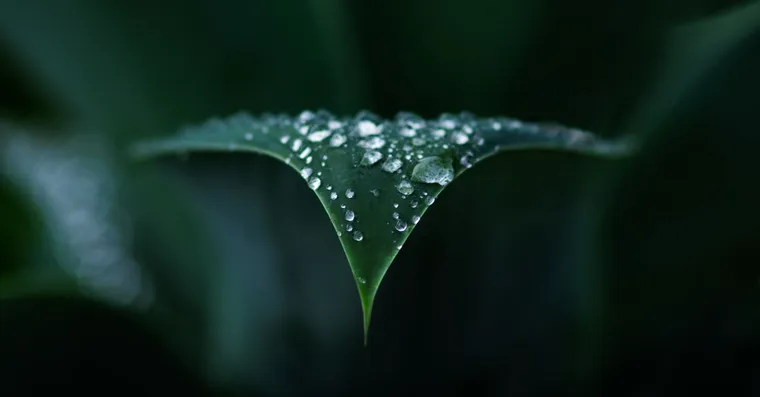
Guttation: Why Your Houseplant Drips Water at Night
Those water drops on leaf tips in the morning are guttation, not sweat or dew. What causes it, when it is harmless, and when it hints at overwatering.
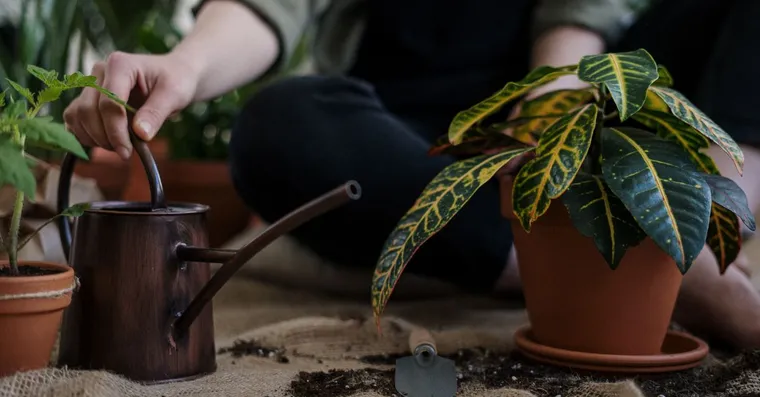
Hydrophobic Potting Soil: Why Water Runs Straight Through the Pot
When water races out the drainage holes in seconds and the plant still droops, the soil has gone hydrophobic. How to rewet it properly and stop it recurring.
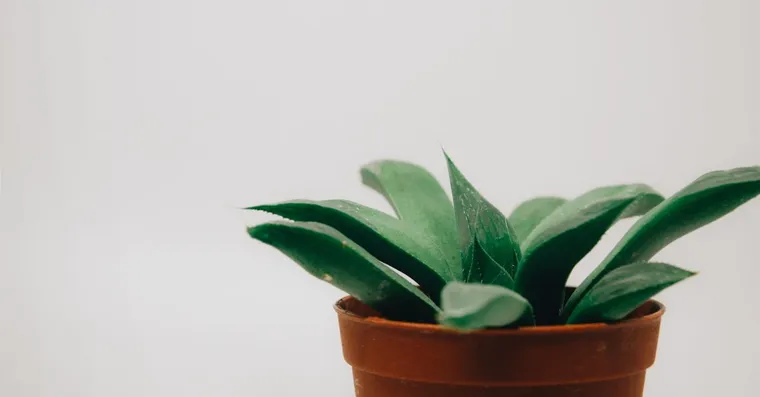
Overwatering vs Underwatering Houseplants: How to Tell
How to tell whether a drooping, yellowing, or crispy houseplant is overwatered or underwatered, the key differences to look for, and what to do next.
Not sure what plant you have? Identify it from a photo and we will point you at its care guide.