Monstera Deliciosa (Swiss Cheese Plant) Care Guide
How to care for a Swiss cheese plant (Monstera deliciosa) indoors. The signature holes and splits, called fenestration, develop as the plant matures in bright indirect light.
Some links in this guide go to Amazon. As an Amazon Associate we earn from qualifying purchases, at no extra cost to you. How this works.
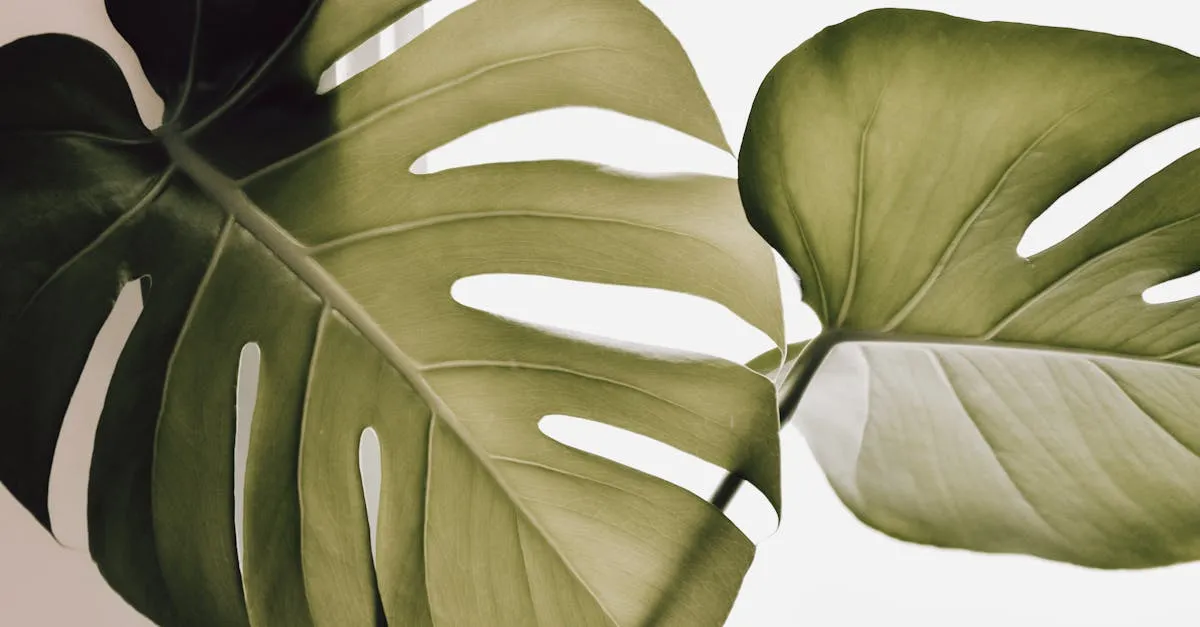
The Swiss cheese plant, sold under its botanical name Monstera deliciosa, is easier than its glossy reputation suggests. It wants bright light, a watering rhythm based on the soil rather than the calendar, and something to climb. Get those three things right and the famous split leaves will follow on their own schedule, not yours.
What a Swiss cheese plant actually wants
In the wild this is a climbing plant from the forests of Central America. It starts life on the dark forest floor, then hauls itself up tree trunks toward the light. Almost every care decision indoors makes more sense once you picture that: it grows upward, likes warmth and humidity, and produces its dramatic foliage only once established and well lit. A monstera that is sulking is usually short of light, support, or both.
Light: bright and indirect, the brighter the better
Bright, indirect light is the sweet spot and the single biggest factor in leaf size and splitting. A position near an east or south-facing window, or 3 to 6 feet (1 to 2 m) back from a bright one, suits it well.
A few hours of gentle direct sun, especially morning sun, is fine and often helps. Harsh midday sun through glass can scorch and bleach the leaves, so filter it with a sheer curtain.
Low light keeps a monstera alive but stalls it. Growth slows, new leaves stay small, and they tend to come out solid with no holes. This is not a low-light plant, so if your room is dim, see how much light your houseplant actually needs before blaming anything else.
How to water without rotting it
Water when the top 1 to 2 inches (3 to 5 cm) of soil are dry, then water thoroughly until it drains from the bottom. In a bright spot that usually means about once a week in summer and every ten to fourteen days in winter, but check the soil rather than trusting a schedule.
The mistake to avoid is keeping the soil constantly wet. Monstera roots need air between waterings, and a pot that never dries out invites root rot. If the leaves yellow from the lowest ones upward and the soil stays damp, you are watering too often; the full picture is in our overwatered plant rescue guide.
Why young leaves are solid, and what triggers the splits
This is the question every monstera owner asks. Young plants and new growth produce solid, heart-shaped leaves with no holes or splits. The holes and edge cuts, called fenestration, appear as the plant matures, typically around the fourth to sixth leaf in good light rather than at some fixed age.
Fenestration is a sign of maturity and good light, not something you can rush with fertilizer.
Three things bring it on, in order of importance. Maturity: the plant simply has to be old and large enough, and no leaf that emerged solid will split later. Light: strong, bright light is what pushes mature leaves to fenestrate, which is why a monstera in a dim corner stays plain. Support: a plant that can climb produces bigger, more split leaves than one left to sprawl.
Why your monstera still has no holes
Work through it in order rather than guessing:
Under three or four leaves, or every leaf is small? It is too young. Nothing to fix; keep it bright and wait.
Mature plant, but the existing leaves are solid? They will not split retroactively. Judge progress by the next leaf that unfurls, not the old ones.
New leaves still emerging solid despite size and good light? Either the light is weaker than it looks, so move it closer to the window first, or you have a borsigiana with nothing to climb, where a moss pole unlocks the splits. The next section sorts out which.
Monstera deliciosa vs borsigiana vs adansonii
Plenty of plants sold as deliciosa are not. The one our reviewer Lucy Liu most often re-identifies at the nursery is Monstera deliciosa var. borsigiana, a smaller, faster form whose status as a distinct variety is still debated. The tell is the geniculum, the join where the leaf stalk meets the stem: on borsigiana it is smooth, where a true deliciosa carries a wrinkled, ruffled ridge. Borsigiana is also the more vigorous vining climber, smaller-leaved and faster-growing, while a true deliciosa grows larger and more horizontally.
This matters because of the disappointment it causes. People buy a young plant believing it is a true deliciosa, expecting a massive, self-supporting specimen, then find it behaves like a leggy vine that scrambles around and is slow to fenestrate. Lucy is clear that this is not the owner’s failure: a borsigiana simply needs a sturdy moss pole to climb before it will mature and split well. Care is otherwise the same, so the only thing at stake is your expected final leaf size.
Adansonii is a different species: oval, fully enclosed holes and no cuts to the leaf edge. If your “deliciosa” has closed holes and uncut margins, it is an adansonii, and you are waiting for edge splits that will never come.
Aerial roots: cut, tuck, or train?
Those thick roots growing from the stem are not a fault. They anchor the plant and take up moisture, which is exactly what a climber needs. Tuck them into a damp moss pole where you can; the plant grips and climbs better for it. Cutting one off is harmless if it is in your way, but there is no need to tidy them. The one thing to avoid is coiling them back down into the pot, where compact wet soil suffocates roots built for open air and invites rot.
Support and climbing
Give your monstera a moss pole, coir pole, or trellis early, and tie new growth to it loosely as it extends. Climbing mimics its natural habit and tells the plant to produce larger, more mature foliage. Without support it leans, trails, and keeps its leaves smaller. Keep the pole lightly damp so the aerial roots grip it.
Propagation
A cutting needs more than a leaf. To root, it must include a node (the bump on the stem where a leaf and aerial root emerge) and a root initiation point, meaning an aerial root stub or root bump. A leaf with a petiole but no node stays green for months and never roots.
- Cut just below a node, keeping at least one leaf attached.
- Sit it in water or damp moss for three to six weeks, until roots are an inch or two (3 to 5 cm) long.
- Pot it into the same chunky mix as the parent and keep it lightly moist while it settles.
Soil, feeding, and humidity
Soil. Use a chunky, well-draining mix: standard houseplant compost with added perlite, orchid bark, and a little coir. Plain dense potting soil holds too much water.
Feeding. A balanced liquid fertilizer at half strength every four to six weeks through spring and summer is plenty. See how to fertilize houseplants for dilution.
Humidity. It prefers moderate to high humidity but copes with normal rooms. Dry air can cause brown leaf tips and edges; our humidity guide covers practical fixes.
Repotting
Repot every two years, or when roots circle the pot or push out of the drainage holes. Move up just one pot size in spring, and follow how to repot without killing the plant. Note that monstera contains calcium oxalate crystals, which cause oral irritation, drooling, and mouth pain in cats, dogs, and people if chewed, so keep it away from curious pets and toddlers and see our pet-safe houseplants list.
What to expect from the next leaf
The single thing that stalls most monsteras is too little light, so if you change one thing this season, move it nearer a bright window before you reach for fertilizer. Give it a moss pole to climb, then judge progress by the next leaf that unfurls rather than the solid old ones, because that new growth is where bigger size and the first splits appear. In a bright spot through spring and summer you can reasonably expect a fresh leaf every few weeks, each a little more cut than the last.
Where to go next
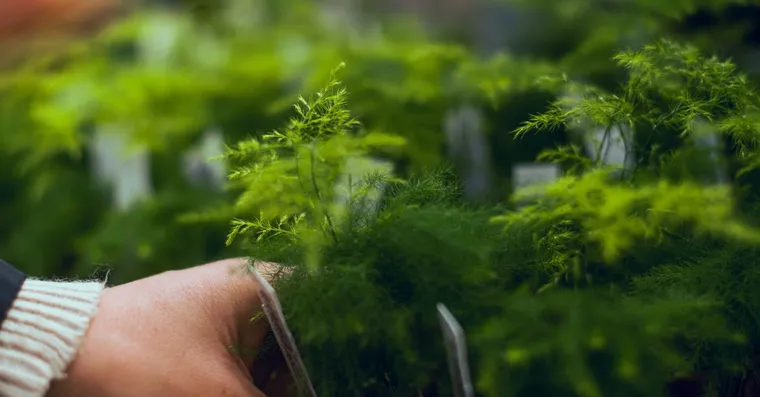
Asparagus Fern Care: Not a Fern, and It Has Thorns
Asparagus fern is not a fern, it is toxic to cats and dogs, and mature stems carry spines. Here is how to grow it and what to know first.
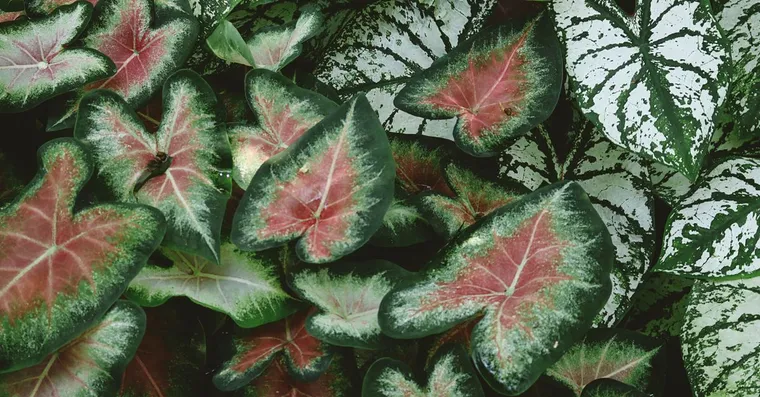
Caladium Care: Bright Leaves, Winter Dormancy, and Toxic Sap
Caladiums die back every winter and that is normal, not failure. Here is how to grow the tubers indoors and why they need care around pets.
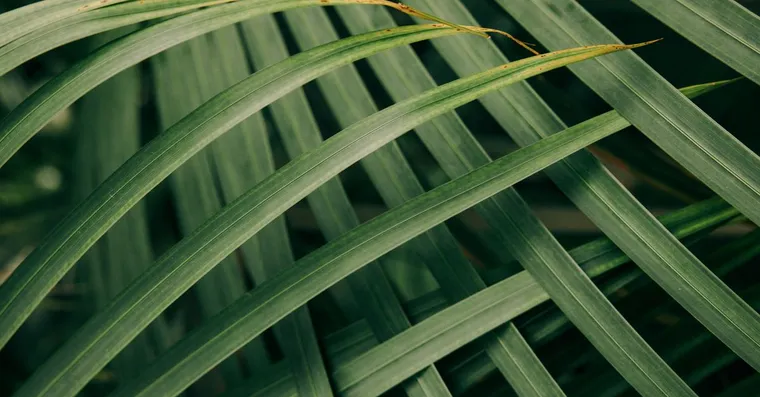
Majesty Palm Care: Light, Water, and Why It Browns
Majesty palms are sold as easy indoor palms and are not. They want more light, more water, and more humidity than a living room usually offers.
Not sure what plant you have? Identify it from a photo and we will point you at its care guide.