Monstera Aerial Roots: What They Do and What to Do With Them
Those thick roots growing from your monstera stem are normal aerial roots for climbing; here is whether to cut, bury, or train them.
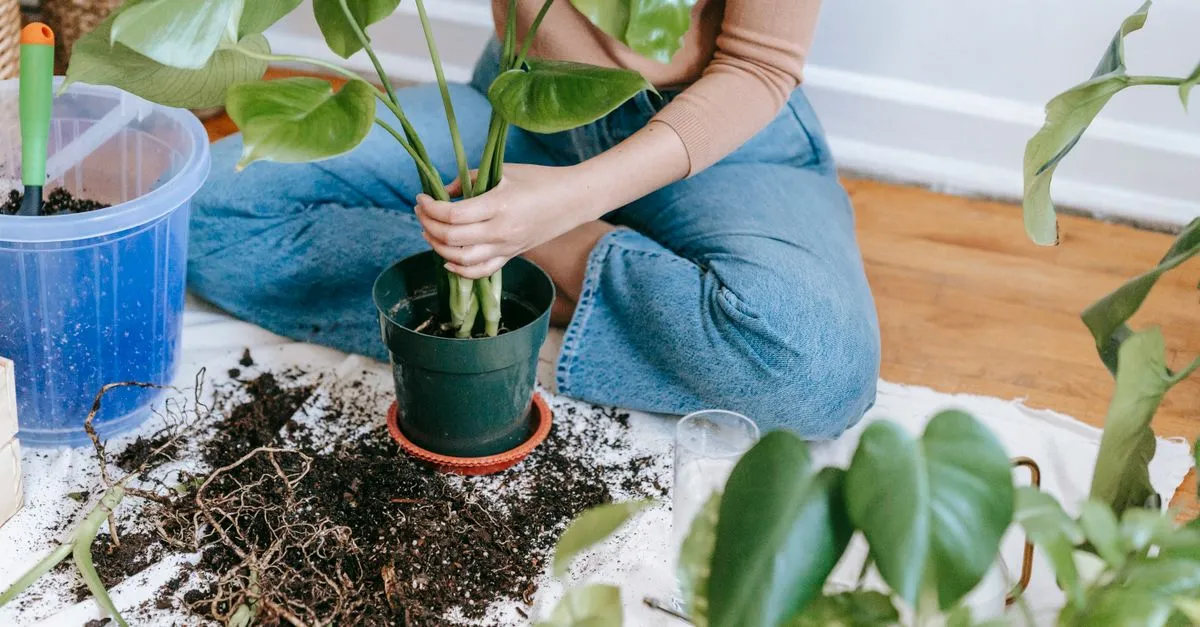
Monstera aerial roots are the thick, cordlike roots that push out from the stem, and they alarm a lot of new owners for no good reason. They are a sign of a healthy, maturing plant, not a fault to fix. You have a few sensible options: leave them, guide them onto a support or back into the pot, or trim them, and none of these will hurt the plant if you go about it calmly.
Quick answer
Monstera aerial roots are the thick, cordlike roots that push out from the nodes along the stem, and they signal a healthy, maturing plant rather than a fault. In the wild they anchor the vine as it climbs a tree, so they are structural first: they can absorb some moisture and nutrients from damp bark or humid air, but the roots down in the pot do the vast majority of the feeding and watering. You have four options and none will hurt the plant. Leave them alone, which is the default. Guide them onto a moss pole, which is the most useful choice for a tall or floppy plant and often brings bigger leaves with more splits. Tuck a still-flexible root back into the pot, never forcing a stiff one. Or trim one close to the stem with clean, sharp snips, without stripping every root at once and never cutting into the node.
What monstera aerial roots actually do
In the wild, a monstera is a climber. It starts life near the forest floor and hauls itself up a tree trunk toward the light, and the aerial roots are how it holds on. They grip bark, wedge into crevices, and anchor the heavy vine so it does not topple.
There is a common belief that these roots are the plant’s main way of drinking. That is not quite right. Aerial roots can absorb some moisture and nutrients from damp bark or humid air, but the roots down in the pot do the vast majority of the feeding and watering. Dunking aerial roots in a glass of water or misting them constantly will not meaningfully change how your plant grows. So the honest reality is this: they are structural first, and their appearance means your monstera is behaving exactly as it should.
They are easy to tell apart from other growth. Aerial roots emerge from the nodes along the stem, are brown or greenish, and stay firm. They are not stems, and they will not sprout leaves.
Your options for monstera aerial roots
Here are the choices, ranked from the one most people should reach for to the one to use most sparingly.
Leave them alone. This is the default and the easiest. A few aerial roots trailing down or reaching out do no harm at all. On a mature plant they are part of the look, and leaving them carries zero risk of stressing the plant.
Guide them onto a moss pole or support. If your monstera is getting tall or floppy, this is the most useful thing you can do. Aerial roots are built to climb, so give them something to climb. Loosely tie the stem to a moss pole or trellis and point the roots toward it. Over time they grip the support, the plant climbs, and you often get bigger leaves with more splits as a bonus.
Redirect them into the pot. If a root is long and heading somewhere awkward, you can gently tuck it back down into the soil. It will carry on growing there and may add a little to the root system. Do this only while the root is still flexible; never force a stiff one, or it will snap.
Trim them. If a root is genuinely in the way, or you simply do not like the look, cut it. Use clean, sharp snips and cut close to the stem. Moderate trimming is purely cosmetic and safe: you are not amputating the plant’s water supply, and it will not go into shock. Just do not strip every root off at once, and do not cut into the main stem or the node itself.
Trimming a few aerial roots is a haircut, not surgery: the plant carries on exactly as before.
What not to do
Do not cut the node. The small bump a root grows from is also where leaves and new roots form. Nick the stem if you must, never the node.
Do not panic and repot. Aerial roots are not a sign the plant is root-bound or unhappy. Judge that separately, based on the roots packed inside the pot.
Do not seal them in humidity gimmicks. Bags of damp moss taped around aerial roots rarely achieve anything worthwhile indoors and can invite rot. If you want the plant to climb, a plain moss pole does the job.
Working with a plant that wants to climb
Aerial roots are your monstera telling you it would like to climb, so the calmest response is usually to work with that rather than against it. Leave them if they do not bother you, give the plant a support if it is getting unruly, and trim the odd one without guilt. If a root looks especially healthy, keep it in mind for later: a node with an aerial root is exactly what a cutting needs to root quickly, so today’s tidy-up can become tomorrow’s new plant.
Where to go next
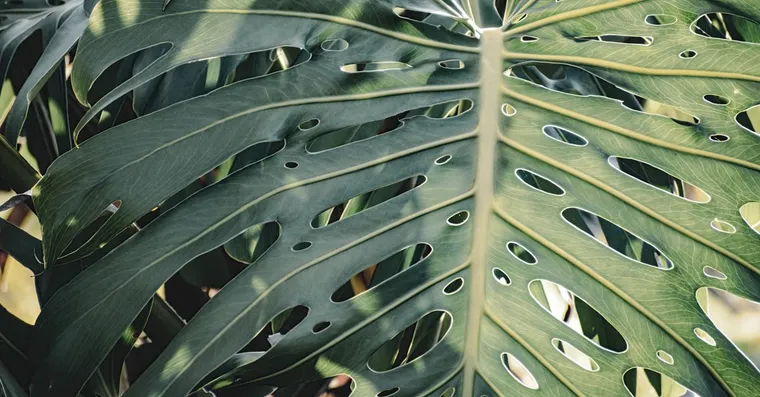
Best moss poles for climbing houseplants
Choosing a moss pole for monstera, pothos, and other climbers: sphagnum versus coir, extendable poles, and how to help aerial roots actually grab on.
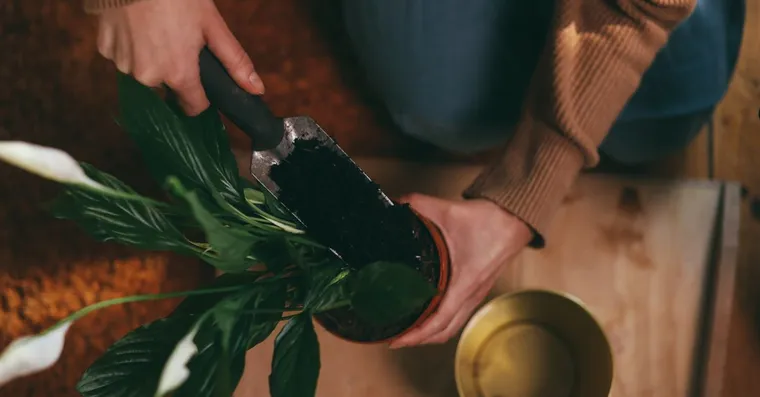
The Best Soil Mix for a Monstera (and a Simple Recipe)
Monstera roots want a chunky, fast draining aroid mix rather than plain potting soil; here is a simple recipe and what each ingredient does.
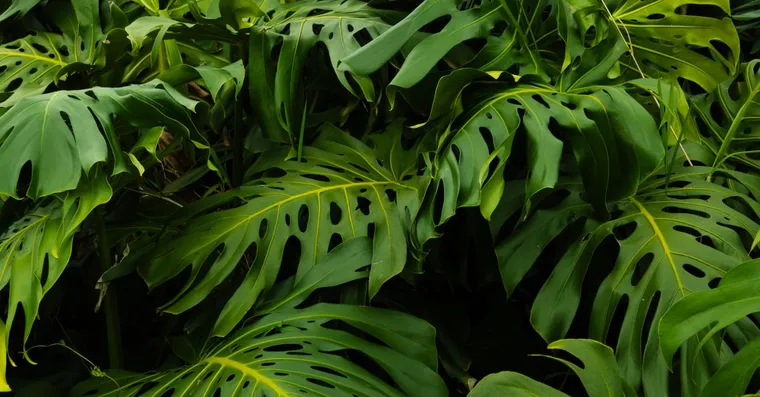
Why Is My Monstera Turning Yellow? Causes and Fixes
Yellow leaves on a monstera usually mean a watering problem, but light, feeding, and age all matter; here is how to tell them apart.
Not sure what plant you have? Identify it from a photo and we will point you at its care guide.