The Best Soil Mix for a Monstera (and a Simple Recipe)
Monstera roots want a chunky, fast draining aroid mix rather than plain potting soil; here is a simple recipe and what each ingredient does.
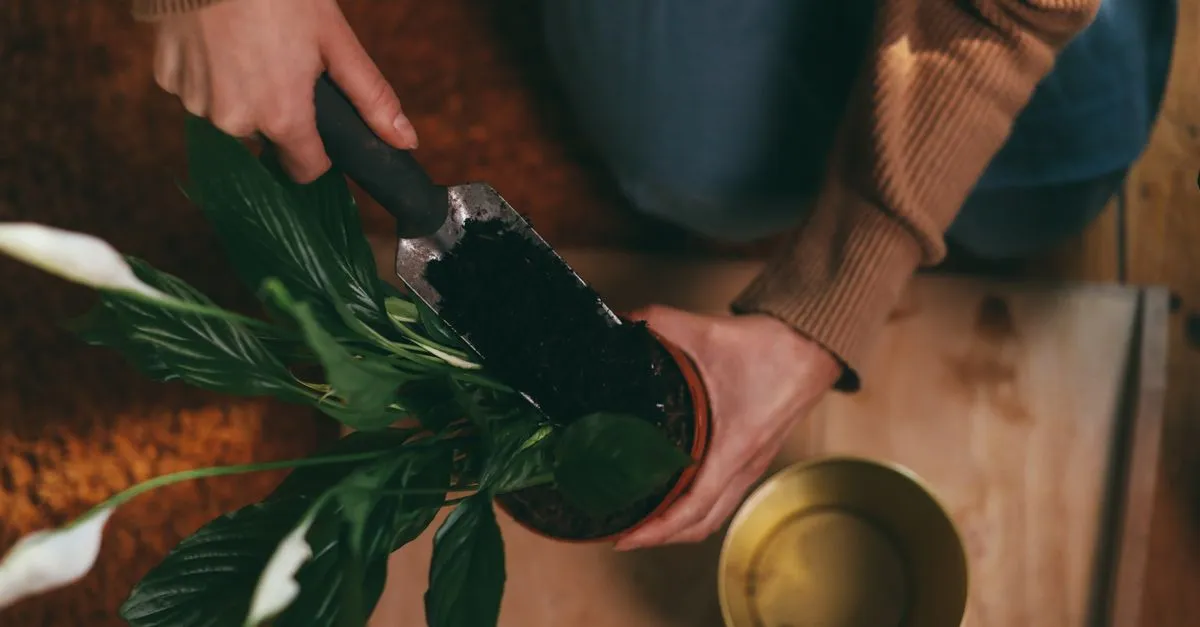
The best monstera soil mix is a chunky, fast-draining aroid blend that you can make in five minutes from cheap ingredients. You do not need a bag labeled “monstera soil”: a monstera wants the same airy, open mix as most other aroids, and a few standard amendments beat almost every branded blend on the shelf. Here is what to use, in what rough ratios, and why the texture matters more than the label.
Why a monstera wants chunky, open soil
In the wild, a monstera climbs trees and roots into loose leaf litter and bark, not heavy ground soil. Its roots want air almost as much as they want water. Standard potting compost, used on its own, packs down over time into a dense block that stays wet for days and starves the roots of oxygen. That is the exact condition root rot needs to take hold.
A chunky mix fixes this by design. The bark and perlite hold open pockets of air, water drains through quickly rather than pooling, and the mix dries out enough between waterings that roots can breathe. You are not trying to keep the soil moist. You are trying to let it swing between wet and almost dry without ever going stagnant.
Airy soil forgives the odd overwatering; dense soil punishes it.
A simple best monstera soil mix recipe
Think in rough parts by volume, not exact grams. A jug or an old yoghurt pot as your “one part” is plenty accurate. The ingredients below are ranked by how much they matter.
Potting mix, about 2 parts. This is the base that holds moisture and nutrients. Any decent general houseplant compost works. It does the feeding; the rest of the recipe does the draining.
Orchid bark, 1 to 2 parts. This is the ingredient that turns ordinary compost into an aroid mix. The chunks create the air gaps monstera roots love and take a long time to break down. If you add only one amendment, make it this.
Perlite, 1 part. The white volcanic granules keep the whole mix light and stop it compacting. Cheap, widely sold, and hard to overdo. Pumice does the same job if you can find it.
Horticultural charcoal, a small handful (optional). It helps keep the mix fresh and slightly sweetens the soil. Nice to have, not essential. Skip it without guilt.
Coco coir, up to half a part (optional). Useful if your home is very dry and the mix drains too fast, since coir holds a little extra moisture. Leave it out if your monstera already tends to stay wet.
A safe default for most homes is 2 parts potting mix, 1 part orchid bark, and 1 part perlite. If you tend to overwater, push the bark and perlite up. If your plant dries out within a day or two, lean on more potting mix or add the coir.
Why you do not need branded monstera soil
Bags marketed as “monstera soil” or “aroid soil” are usually a standard potting mix with a scoop of bark and perlite thrown in, sold at a premium for the plant’s name on the front. Some are genuinely good. Many are barely different from ordinary compost, and you are paying for the label rather than the texture. Mixing your own costs less, and a single bag each of bark and perlite will amend soil for a whole shelf of plants for a year or more.
The honest reality is that your monstera cannot read the packaging. It responds to drainage and air, both of which you control directly by adjusting the ratios above. That is something no fixed bagged blend can do for you.
Mixing it and keeping it right
Combine everything dry in a bucket or tub and stir with your hands until the chunks are evenly spread. Dampen it slightly before potting so it settles without dust. When you repot, do not press the mix down hard, since the loose structure is the whole point.
Refresh the mix every couple of years, because bark and coir slowly break down and the soil grows denser as they do. If you notice water sitting on the surface or the pot staying heavy for a week, that is your cue to add more bark and perlite next time. Pair the mix with a pot that has a drainage hole, and you have removed the single most common cause of a sulking monstera.
What to watch once it is potted
Getting the soil right solves most of a monstera’s problems before they start, but it is only half the setup. Water when the top inch or two (3 to 5 cm) feel dry rather than on a schedule, and let the chunky mix do its job of drying out in between. Keep an eye on how quickly the pot dries over the first few weeks, then nudge your ratios next repot if it holds water too long or too briefly. For everything else the plant needs, see the full monstera deliciosa care guide.
Where to go next
Perlite vs Vermiculite: Which One Your Houseplants Need
Perlite adds drainage and air, vermiculite holds water and nutrients. They do opposite jobs, so the right choice depends on the plant in front of you.
Best Bagged Potting Soil for Indoor Plants: 4 Picks
Four bagged potting soil picks for indoor plants, with the peat content named for each, plus how to read a bag and tell a good mix from a bad one in the aisle.
How to Choose the Right Potting Mix for Houseplants
A guide to houseplant potting mixes, explaining what good soil contains and how to match or amend it for different types of plants.
Not sure what plant you have? Identify it from a photo and we will point you at its care guide.