Best Bagged Potting Soil for Indoor Plants: 4 Picks
Four bagged potting soil picks for indoor plants, with the peat content named for each, plus how to read a bag and tell a good mix from a bad one in the aisle.
Some links in this guide go to Amazon. As an Amazon Associate we earn from qualifying purchases, at no extra cost to you. How this works.
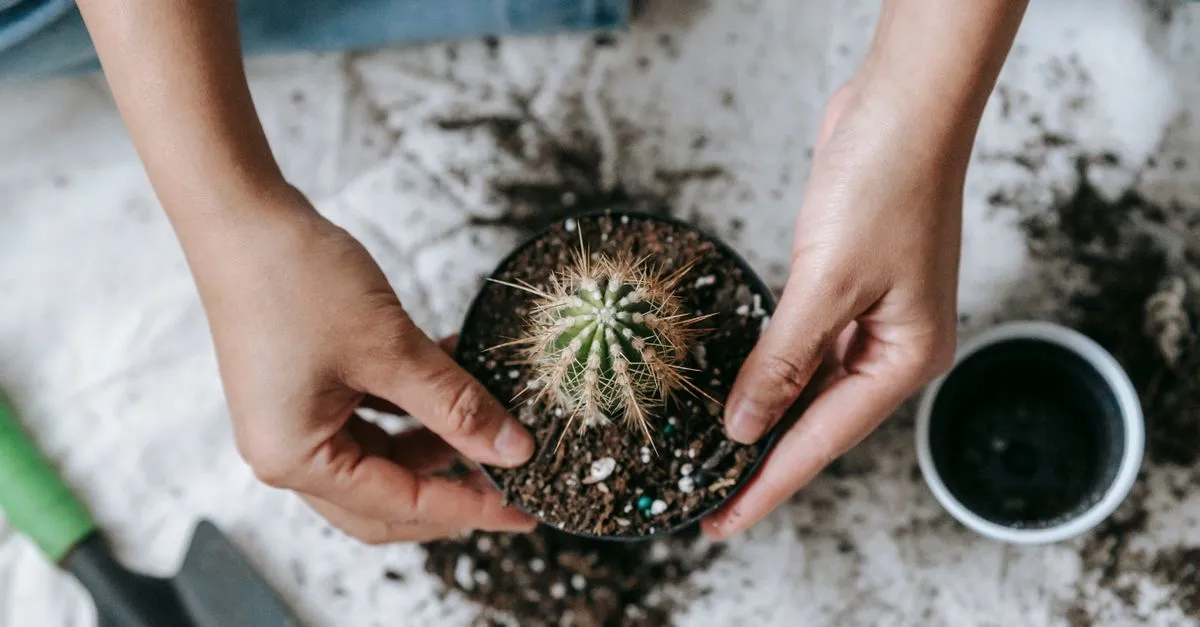
If you want one bag that suits most houseplants, Rosy Soil Houseplant Potting Soil is the one we reach for first, because it is peat-free and stays open instead of packing down. The fuller answer is that the right mix depends on the plant in front of you, and the only universal rule is that bagged garden soil or topsoil is the wrong choice indoors: it compacts in a pot, holds far too much water, and leaves roots gasping.
Quick answer
For most leafy houseplants, use a peat-free indoor mix such as Rosy Soil Houseplant Potting Soil. Give aroids such as monstera and philodendron a chunkier bark mix like the Rosy Soil Aroid Mix, and give cacti and succulents a gritty mineral mix like Bonsai Jack instead. If you just want the cheap bag that is on every shelf, Miracle-Gro Houseplant Potting Mix is fine for undemanding foliage plants.
Our picks
We have named the peat content for each one, because it is the single thing that most changes how a bag behaves in a pot and it is rarely on the front of the label.
Best all-round: Rosy Soil Houseplant Potting Soil. Peat-free. Built on biochar, worm castings, compost, and bark fines rather than sphagnum peat. It suits the majority of leafy plants: pothos, peace lilies, calatheas, ferns, dracaenas. Like most peat-free bags it feels dry and dusty when you open it, so wet it slowly before potting.
Best for aroids: Rosy Soil Aroid Mix. Peat-free. A chunky bark-and-biochar blend for monstera, philodendron, and anthurium. These climb trees in the wild and want air around their roots more than they want richness, which is exactly what a coarse mix gives them. It is a newer product with far fewer reviews than the others here, so treat it as the least proven pick on this list.
Best for cacti and succulents: Bonsai Jack Gritty Mix. A gritty, largely mineral mix rather than a compost. Cacti, echeverias, and most succulents rot in ordinary potting soil, and this is the opposite problem: it drains almost immediately, so you water more often and worry less.
Best budget: Miracle-Gro Houseplant Potting Mix. Contains peat. The cheap option stocked nearly everywhere. It holds more water than the peat-free bags above, which is fine for undemanding foliage plants and a liability for anything prone to rot. If you buy it, plan to stir in perlite before it touches an aroid or a succulent.
Why we lead with peat-free
Two reasons, and the second is the practical one. Peat extraction damages peat bogs, which are among the more effective carbon stores we have. That matters, but it is not why this list is ordered the way it is. The reason a peat-free bag usually behaves better indoors is structure: peat-heavy mixes hold a lot of water and compact into a dense block over a season, and a dense wet block is the standard route to root rot in a pot that sits indoors with no wind and weak light. Peat-free mixes based on bark, coir, and biochar tend to stay open for longer.
The honest caveat is that peat-free is not automatically better. A cheap peat-free bag can be just as dense as a peat one, and the squeeze test further down this page will tell you more than the front of the label will.
What a good houseplant mix actually does
A pot is a closed box, so the mix has to do two things that pull against each other: hold enough moisture for the roots to drink, and drain fast enough that air flows back in between waterings. This is why drainage and air matter more than richness. Roots breathe, and a mix that stays soggy suffocates them long before it ever runs short of food.
Structure over nutrients. Most people feed their plants through the growing season with liquid fertilizer, so you do not need a heavy, compost-rich bag. You need a mix that crumbles in your hand rather than packing into a wet brick.
The classic recipe. A good general mix is a base of composted material lightened with perlite for air and bark for structure. That is most of the secret.
How to choose the best potting soil for houseplants by type
Match the bag to the plant rather than hunting for one perfect product.
General indoor mix, for most foliage plants. A peat-free houseplant or multipurpose compost with added perlite suits the majority of leafy plants: peace lilies, calatheas, ferns, dracaenas, and the like. If the bag looks dense and fine, open it up with a few handfuls of perlite.
Chunky aroid mix, for monstera, pothos, and philodendron. These climbers grow on trees in the wild and want air around their roots. A mix of bark, perlite, and a little charcoal drains fast and is hard to overwater, which is exactly what they like.
Fast-draining cactus and succulent mix, for desert plants. Cacti, echeverias, and most succulents rot in ordinary compost. Use a gritty cactus mix, or cut a basic bag with extra perlite or coarse sand until water runs straight through.
Seed and cutting compost, for propagation. Fine, low in nutrients, and free-draining, this is what you want for sowing seeds or rooting cuttings. Strong feed can burn tender new roots. If you propagate regularly, a propagation station keeps cuttings stable while they root.
How to read a potting compost bag
The label tells you most of what you need before you open it. Two minutes in the aisle saves a season of trouble.
Read the ingredient order. Ingredients are listed by volume, biggest first. If the first word is peat or coir with no mention of bark, grit, or perlite, you are buying a dense water-holder that will need opening up for anything but ferns and peace lilies. A bag that lists bark or perlite near the front is already part of the way to an indoor mix.
John Innes numbers are about feed, not drainage. John Innes is a loam-based recipe sold in three strengths. No.1 is low feed for seedlings and cuttings, No.2 is general potting, No.3 is the richest for hungry, established plants. All three are heavier and denser than a soilless compost, so they hold structure well but still want perlite for most houseplants.
Decode the marketing words. “Moisture-control” means the bag holds even more water, which is the opposite of what a struggling indoor plant usually needs. “Added feed” or “feeds for six months” just means slow-release fertilizer is mixed in; useful, but it runs out in a few months and does not change how the mix drains. Treat both as starting points, not finished products.
Spot a bag that needs heavy amending. Words like multipurpose, moisture-retentive, fine grade, or for tubs and baskets signal a dense base. It is fine to buy, but plan to cut it with perlite or bark before it touches an aroid or a succulent. Pumice does the same job as perlite and is heavier and longer-lasting, so it settles less over time. An open mix is also the first defense against fungus gnats, which prefer peat-heavy, wet composts. If you see a white crust on an old bag or pot, that is fertilizer salt, not a sign the bag is bad.
Tell a bad bag from a good one before you buy
You can judge a compost by hand, even through the bag.
The squeeze test. Lucy Liu, at her London nursery, runs this on every fresh bag: dig a hand in, give it a hard squeeze, then let go. A good mix crumbles apart when you poke it. A poor one stays in a dense, muddy ball that holds its shape, and that is what your roots would sit inside, airless and wet. If a handful clings together like that, it will suffocate roots, so it is a no-go for potting.
The smell test. A healthy compost smells like a fresh forest after rain, earthy and woody. A sour or sulfurous note means it has gone anaerobic in the bag, sitting wet and airless in storage. Put that bag back; the structure has already broken down.
Bone-dry is not a fault. Peat-free and coir-based mixes often feel bone-dry and dusty in the bag and resist the first watering. That is normal. Wet them in slowly, stirring as you go, and they take up water fine. Dryness in a coir bag is not a defect, only a sign you need to hydrate it before potting.
How much soil to actually buy
Buying by guesswork means a half-empty bag or a second trip. Pot diameter gives you a usable estimate.
| Pot diameter | Roughly the soil it holds |
|---|---|
| 4 1/2 inches (12 cm) | 0.5 quarts (0.5 L) |
| 6 inches (15 cm) | 1.5 quarts (1.5 L) |
| 7 inches (18 cm) | 2.5 quarts (2.5 L) |
| 8 1/2 inches (21 cm) | 1 gallon (4 L) |
| 9 1/2 inches (24 cm) | 2 gallons (7 L) |
Fill to about 70 to 80% of a pot’s rated volume, since roots, drainage gravel, and headroom take the rest. A common 13 gallons (50 L) bag therefore repots a lot of small pots or a handful of large ones. Buy for the season, not the decade: an opened peat-free bag dries, settles, and slowly degrades, so a fresh smaller bag often beats a giant one stored for two years.
Match the pot and the watering, not just the bag
When in doubt, pick the mix that dries out, not the one that stays wet.
A heavy, moisture-retaining mix is the single most common cause of root rot indoors. The mix never works alone. A water-retentive compost in a pot with no drainage hole, watered by a heavy hand, is a recipe for trouble, while the same compost in a terracotta pot with a careful waterer can be fine. Pair an open mix with a pot that drains and a watering habit that lets the top of the soil dry out, and you avoid the problem that kills more houseplants than any pest.
Keep a bag of perlite on the shelf
The single move that makes all of this easier is keeping perlite or pumice within reach, so one bag of peat-free multipurpose compost can become a general mix, an aroid mix, or near enough a succulent mix depending on how much you stir in. Next time you repot, run the squeeze test before the plant goes in rather than after it has sulked for a month. Buy small and fresh each season too, since a giant bag stored for years settles into exactly the dense brick you are trying to avoid. A soil moisture meter also takes the guesswork out of knowing when the mix has dried enough to water again.
Where to go next
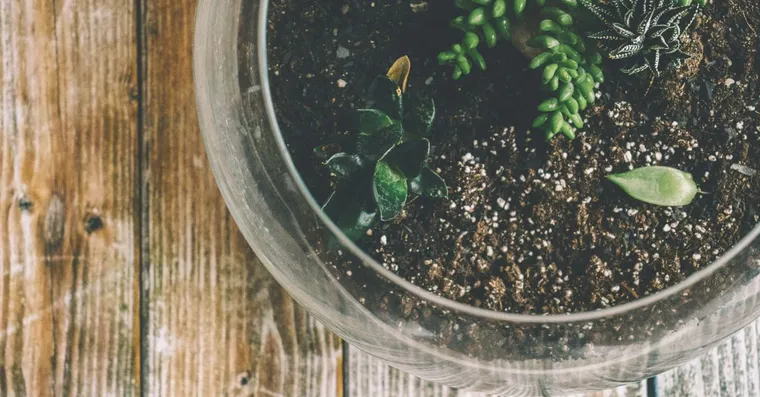
Perlite vs Vermiculite: Which One Your Houseplants Need
Perlite adds drainage and air, vermiculite holds water and nutrients. They do opposite jobs, so the right choice depends on the plant in front of you.
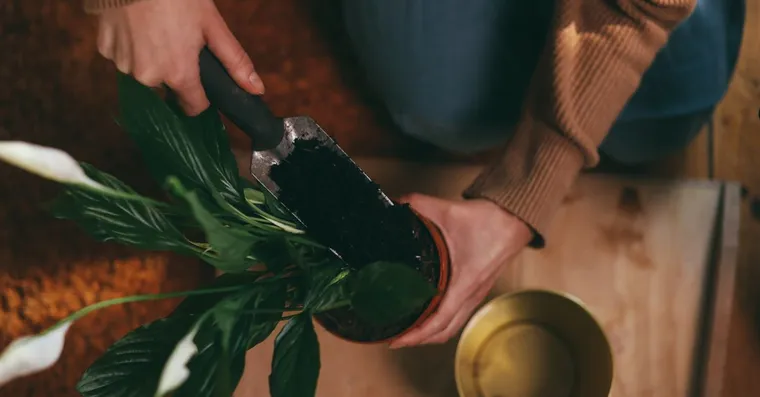
The Best Soil Mix for a Monstera (and a Simple Recipe)
Monstera roots want a chunky, fast draining aroid mix rather than plain potting soil; here is a simple recipe and what each ingredient does.
Best fertilizer for houseplants
A buying guide to houseplant fertilizer: liquid versus slow release versus organic, what the NPK numbers mean for indoor plants, and how often to feed.
Not sure what plant you have? Identify it from a photo and we will point you at its care guide.
Frequently asked questions
What is the best potting soil for houseplants?
For most leafy houseplants a peat-free indoor mix built on bark, biochar, and worm castings is the best default, because it drains and holds air without the density of a peat-heavy bag. Aroids want a chunkier bark mix, and cacti and succulents want a gritty mineral mix instead.
Can I use the same potting soil for every houseplant?
You can get close. One bag of open, peat-free multipurpose compost plus a bag of perlite covers most situations: use it as-is for general foliage plants, stir in more perlite and bark for aroids, and cut it heavily with grit for succulents.
Is peat-free potting soil actually better for houseplants?
For most indoor plants yes, mainly because peat-heavy bags hold a lot of water and compact over time, which is the usual route to root rot indoors. Peat-free mixes based on coir, bark, and biochar tend to stay more open. They also dry out harder in the bag, so wet them slowly before potting.
Should I use garden soil or topsoil for indoor plants?
No. Garden soil and topsoil compact in a container, hold far too much water, and leave roots without air. Always use a mix made for containers.