Best propagation stations for houseplants
A buying guide to propagation stations: which vessel suits water rooting, what actually helps roots form, and when a jam jar does the same job for free.
Some links in this guide go to Amazon. As an Amazon Associate we earn from qualifying purchases, at no extra cost to you. How this works.
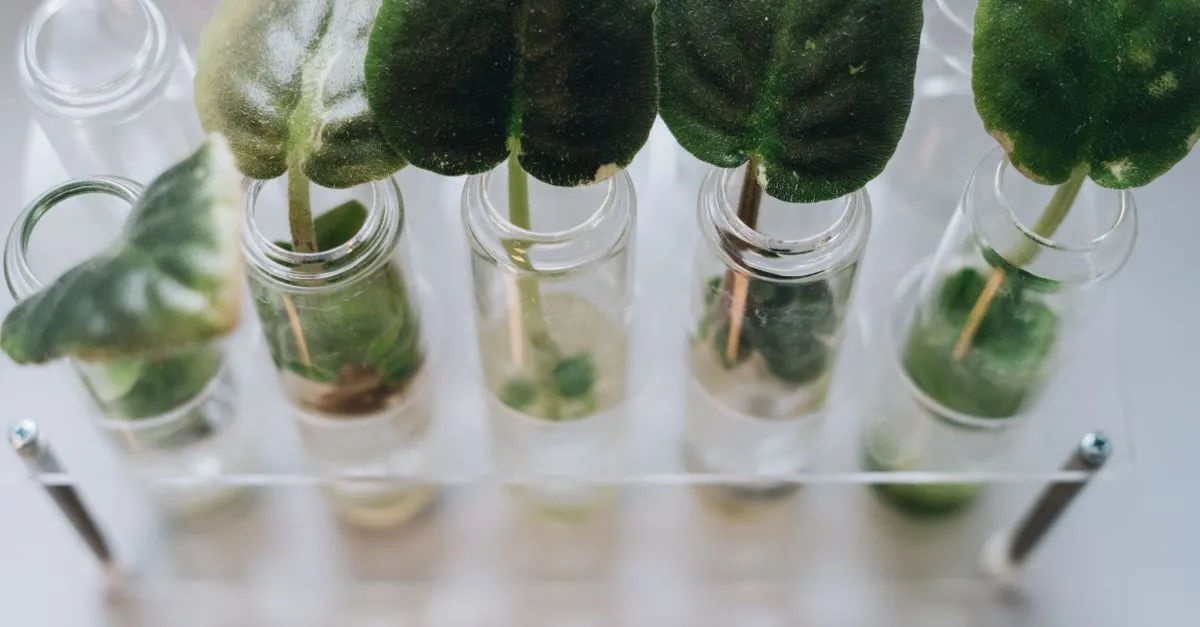
Any clean glass of water will root a pothos cutting on a windowsill, which is the honest starting point for this whole category. A propagation station is mostly about display and convenience, not better rooting: it holds cuttings upright, keeps them tidy, and lets you watch roots grow. If you want one because it looks good on a shelf, that is a perfectly fine reason. Just do not expect it to root anything a jam jar could not.
What a propagation station actually does
A station does not feed your cutting or speed up rooting. It is a stand plus some narrow vessels, and its only real jobs are to keep cuttings upright, separate them so leaves do not rot against each other, and make the water visible. That visibility is the genuine benefit: clear glass lets you spot cloudy water or the first slimy film early, which is when most water propagation fails. Beyond that, you are paying for the look.
What to look for in the best propagation station
If you are buying one for a windowsill or shelf, judge it on a few practical points, in order of importance.
Clear vessels. Glass or clear acrylic tubes let you watch roots develop and catch rot before it spreads. Colored or opaque holders defeat the main purpose.
An easy to clean shape. Cloudy, slimy water is the number one failure, so you will be rinsing these often. Wide-necked tubes you can reach into with a bottle brush beat narrow twisted shapes that trap gunk.
A stable stand. Wood, metal, or a wall mounted rack should hold the vessels without tipping when a cutting grows top-heavy. A wobbly base near a sink is a daily annoyance.
Vessel width matched to the cutting. Narrow tubes hold a single thin cutting upright and use little water. Wider jars suit chunky stems. One size rarely fits everything you propagate.
What genuinely helps cuttings root
The station is scenery. These small habits are what actually move a cutting from stem to roots.
Bright indirect light. A cutting has no roots to replace lost water, so it needs steady, gentle light rather than direct sun that scorches it or deep shade that stalls it.
Fresh water every few days. Changing the water keeps it oxygenated and clear, which is what roots want. Stale water goes low on oxygen and turns cloudy, and that is when cuttings rot instead of rooting.
Optional rooting hormone for woody stems. Soft cuttings like pothos and tradescantia root in plain water without help. For stubborn woody cuttings it can nudge things along, though it is rarely essential. See do you need rooting hormone to propagate houseplants before you buy a tub.
Watch the water, not the calendar: clear and fresh roots cuttings, cloudy and stale rots them.
Which station suits which job
A single test tube style holder is plenty for a beginner rooting one or two cuttings. It costs little, looks neat, and teaches you what healthy roots look like.
A multi tube rack earns its place if you are propagating a batch, such as a trimmed pothos cut into several nodes. A row of tubes keeps them labeled and separate.
A wide jar or bowl is the right choice for chunky aroid cuttings, like a monstera node with a fat stem and an aerial root. Thin tubes simply will not fit them.
Honest caveats before you buy
Water roots are brittle. Roots grown in water are more fragile than soil roots, so pot up once they reach an inch or two (3 to 5 cm) rather than waiting for a long tangle. Left too long, they struggle to adjust to soil.
Not everything roots in water. Many plants propagate happily this way, but some prefer soil or damp sphagnum, and a few barely root at all. It is worth checking the method for your specific plant, as covered in propagating in water vs soil.
A free jar works just as well. A designer station roots cuttings no better than a clean glass you already own. Buy one for the display, not for results, and spend the difference on plants.
The habit that decides the outcome
Whatever vessel you choose, the cutting roots or rots on one thing: water that stays clear. Change it every few days, keep the cutting in bright indirect light, and pot up once the roots reach an inch or two (3 to 5 cm) so they settle into soil before they turn brittle. Get that right and a 50 cent jar will outroot the prettiest station left to go cloudy.
Where to go next
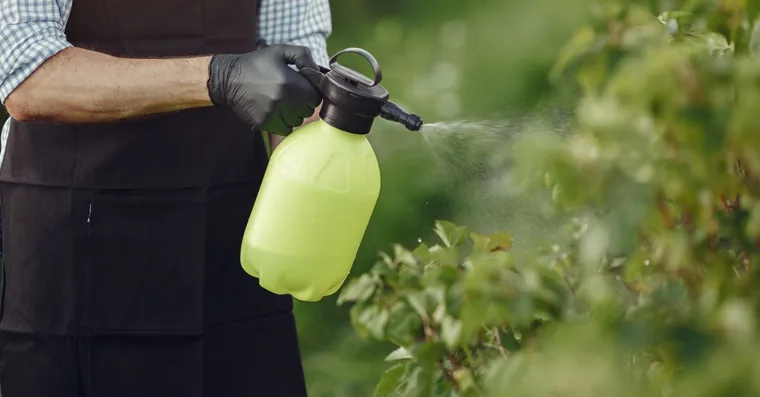
Best fertilizer for houseplants
A buying guide to houseplant fertilizer: liquid versus slow release versus organic, what the NPK numbers mean for indoor plants, and how often to feed.
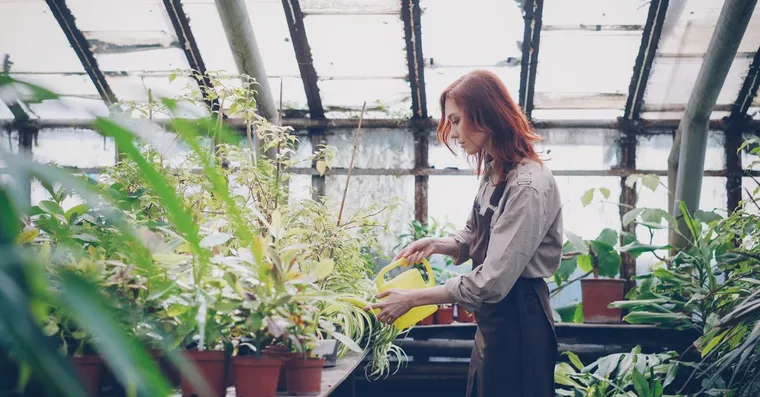
Best grow lights for indoor plants
A practical buying guide to grow lights for houseplants: which type to choose, what the specs actually mean, and when you do not need one at all.
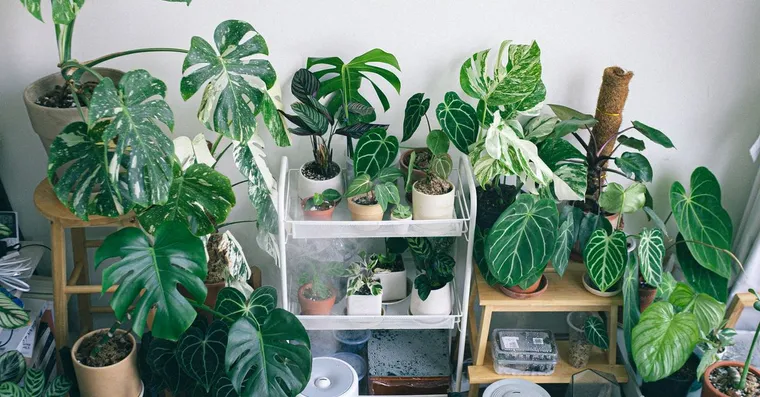
Best humidifiers for houseplants
Do your plants need a humidifier, and if so which one? A buying guide covering cool mist versus warm mist, room size, and when a humidifier beats misting.
Not sure what plant you have? Identify it from a photo and we will point you at its care guide.