Best humidifiers for houseplants
Do your plants need a humidifier, and if so which one? A buying guide covering cool mist versus warm mist, room size, and when a humidifier beats misting.
Some links in this guide go to Amazon. As an Amazon Associate we earn from qualifying purchases, at no extra cost to you. How this works.
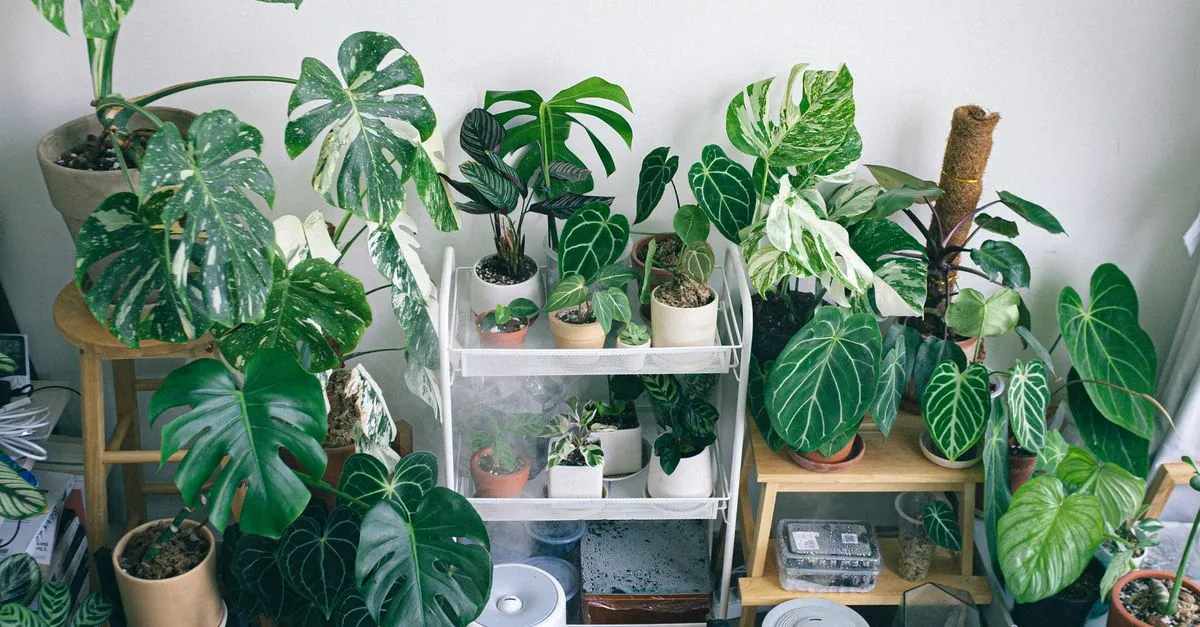
Most houseplants do not need a humidifier. The honest starting point before you buy anything is that pothos, snake plants, succulents, and the majority of common houseplants tolerate normal home humidity without complaint. The best humidifier for houseplants is the one you buy only once you have a plant that genuinely struggles in dry air, and a few really do.
Do your plants actually need one?
A humidifier earns its place with tropical plants that come from humid forest floors and resent dry rooms. The clearest candidates, roughly in order of how much they care:
Calathea, maranta, and other prayer plants. These brown at the edges in dry air and rarely look their best without help. If you are committed to a calathea, a humidifier is close to essential in a heated home.
Ferns. Maidenhair, Boston, and most indoor ferns crisp up fast when humidity drops.
Alocasia, anthurium, and thin-leaved aroids. They cope better than calathea but reward steady moisture in the air.
The problem is worst in winter, when central heating dries indoor air to desert levels. If your plants look fine all summer and only suffer from about November, dry winter air is the likely cause. For the wider picture of which plants care and the cheap fixes, see our houseplant humidity guide. Light is the other variable that drops in winter; our roundup of best grow lights for indoor plants covers affordable options that pair well with a humidifier.
Why a humidifier works where misting does not
Misting feels productive, but it raises humidity around a leaf for only a few minutes before the water evaporates and the air goes dry again. To matter, humidity has to be sustained for hours, and a person with a spray bottle cannot do that. A humidifier can, because it runs continuously. This is the single reason it is worth the money over misting, which mostly just wets the leaves.
Humidity has to be held for hours to help a plant, and only a running humidifier does that.
What to look for in the best humidifier for houseplants
Rank these features by how much they affect daily use:
Cool mist (ultrasonic). This is the safe default for a plant area. It uses little energy, stays cool to the touch, and suits a room with children or pets. Warm mist units boil water, which raises a scald risk and uses more electricity.
Tank size and run time. A larger tank means fewer refills. For a plant shelf you want at least a full night of run time, so check the stated hours at a medium setting, not the optimistic maximum.
Room coverage. Match the rated room size to where your plants actually live. A small desktop unit will not lift humidity in an open-plan living room.
Easy cleaning. A wide tank opening you can reach into matters more than any clever feature. Standing water grows mold and bacteria, and ultrasonic units can spray fine white dust when you use hard tap water, so plan to rinse it often and use filtered or distilled water if your area is hard.
A built-in hygrometer or humidistat. This lets the unit hold a target and switch off when it gets there, rather than pushing the room to soggy.
Set a target, then measure it
Aim for around 50 to 60 percent relative humidity for most fussy tropicals. Higher than that indoors starts to invite mold on walls and soil. Do not guess: buy a cheap separate hygrometer and put it next to the plants, because the reading by the plant is what counts, not the reading on the box. Adjust the humidifier until the meter sits in range, then leave it.
The honest caveats
A humidifier raises the humidity of the whole room, not just the air around your plants, and overused it can encourage mold on walls, fabric, and soil. Run it to a target rather than flat out. Warm mist models are a scald and energy concern around small children and pets, so prefer cool mist there. And remember the free options help a little: grouping plants together raises the local humidity between them, and a pebble tray with water under the pots does the same on a small scale. Neither replaces a humidifier for a serious tropical, but both are worth doing.
When to switch it on, and when to leave it off
The mistake that catches people out is buying a humidifier first and finding a problem for it later, when the sensible order is to confirm you actually have a plant that suffers in dry air, then buy cool mist, then run it to a meter reading rather than flat out. If your only struggling plant is a calathea or a fern, expect to need the humidifier mainly from November onwards, when the heating comes on, and to switch it off again once spring air does the job for free. Keep the hygrometer where the plant lives and let that number, not the machine’s settings, tell you when enough is enough.
Where to go next
Best fertilizer for houseplants
A buying guide to houseplant fertilizer: liquid versus slow release versus organic, what the NPK numbers mean for indoor plants, and how often to feed.

Best grow lights for indoor plants
A practical buying guide to grow lights for houseplants: which type to choose, what the specs actually mean, and when you do not need one at all.
Best moss poles for climbing houseplants
Choosing a moss pole for monstera, pothos, and other climbers: sphagnum versus coir, extendable poles, and how to help aerial roots actually grab on.
Not sure what plant you have? Identify it from a photo and we will point you at its care guide.