Calathea Care: Why This Prayer Plant Is Worth the Fuss
A practical care guide for calathea, covering its real demands for humidity, distilled water, and indirect light, and whether the plant suits your home.
Some links in this guide go to Amazon. As an Amazon Associate we earn from qualifying purchases, at no extra cost to you. How this works.
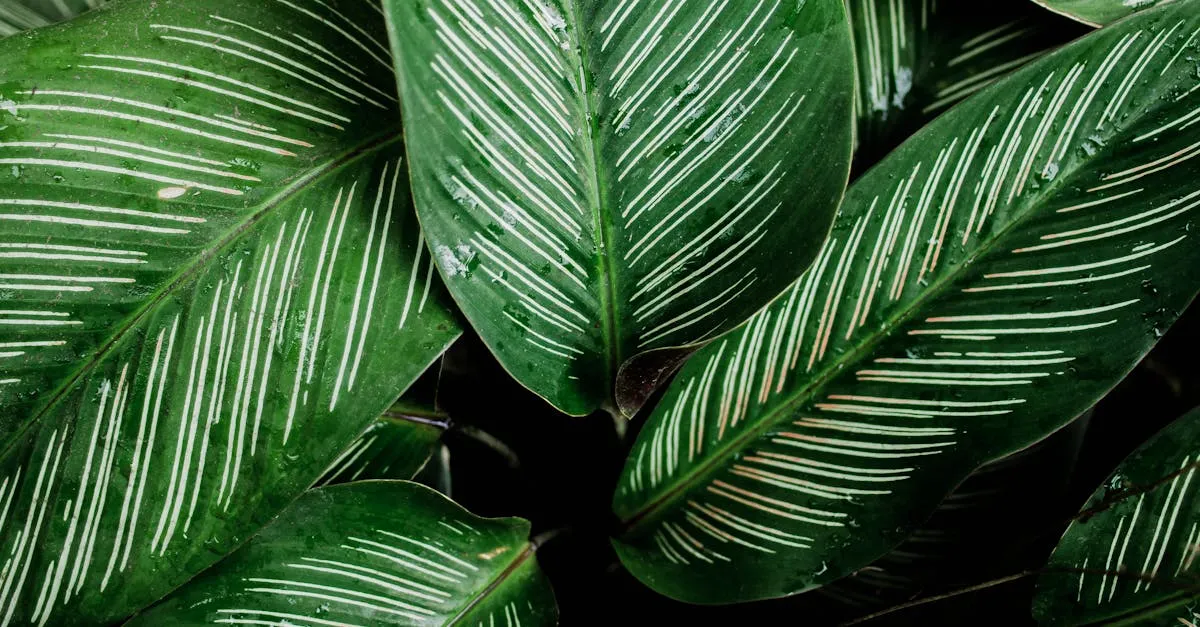
Calathea has a reputation as a diva, and it is mostly earned. The honest answer to calathea care is that this plant rewards consistency: get the light, water, and humidity right and you get some of the most striking foliage of any houseplant, but it will tell you, loudly and quickly, when something is off. If you cannot offer reliable humidity and clean water, this is not the plant to start with.
What you are actually buying
“Calathea” is sold as a group of related plants, including those now reclassified as Goeppertia, plus the closely related Stromanthe and Ctenanthe. They share patterned leaves and the same care needs. Many also fold their leaves upward at night, a movement called nyctinasty and a sign the plant is healthy. This article is the Marantaceae hub; for the two closest relatives, see prayer plant care and ctenanthe care.
The marketing photos showing vivid pink and cream leaves are real, but those colors hold only in good conditions. In a dark corner with dry air, the same plant will look flat and tired within months.
Which calathea do you have
The species matters because they are not equally forgiving.
Orbifolia has large, round, silver-green leaves. It is the most tolerant of the group: it can cope with humidity as low as 40 to 45 percent RH without immediate damage, which puts it in reach of most homes. If you bought an unlabeled “calathea” from a supermarket trolley, it is almost certainly orbifolia or medallion, and both are manageable. Lucy Liu, at her London nursery, rates orbifolia as far easier than medallion or ornata in practice: its thicker, sturdier leaves tolerate a humidity dip without complaint, whereas a pinstripe ornata crisps at the first sign of stress. If you enjoy dramatic patterned foliage and are willing to push humidity higher, alocasia offers a bolder leaf shape but is similarly unforgiving of dry air and cold drafts.
Medallion (veitchiana) is the classic dark-green-and-cream pattern with a burgundy underside. Mid-fussiness: it wants 50 percent RH consistently but will not collapse if conditions slip briefly.
Ornata has fine silver pinstripes and is the least forgiving of the common types. It shows water and humidity stress faster than the others and is better left until you have kept medallion alive for a year.
Roseopicta types (including ‘Dottie’ and the vivid-pink cultivars) are genuinely harder. The pink coloring fades quickly in anything less than near-ideal conditions. Another boldly striped plant that shares calathea’s reputation for dropping leaves when conditions slip is the zebra plant (Aphelandra), which adds yellow flower bracts but demands consistent warmth and humidity.
Decision rule: start with orbifolia or medallion. Move to ornata or roseopicta only after you have proven you can maintain 55 to 60 percent humidity reliably.
Calathea care starts with the right light
Light. Calathea wants bright, indirect light. A spot 3 to 6 feet (1 to 2 m) back from an east or north window is close to ideal. Direct sun, especially through south or west glass, scorches the leaves and bleaches the pattern. Too little light is also a problem: growth stalls and new leaves come in small and dull. It is not a true low-light plant, so if your space is genuinely dim, see low-light houseplants that actually survive instead, or add a grow light.
Water: which type and why it matters
This is where most calatheas fail, and the solution is more specific than “don’t use tap water.”
Ranked best to worst: distilled or rainwater first, filtered (a Brita-type jug) second, stood tap water third. Stood tap water loses its chlorine as the gas escapes overnight, but fluoride does not off-gas. Only distillation, reverse osmosis, or rainwater actually removes fluoride.
How to read the damage: fluoride injury looks like narrow, uniform brown tips appearing on many leaves at the same time. Salt buildup from overfeeding or hard tap water looks patchy and uneven, often worse on older leaves. The distinction matters because switching water source fixes fluoride damage, while salt damage also needs a flush of the soil. For the full diagnosis, see brown leaf tips: causes and fixes and the dedicated tap water for houseplants guide.
Keep the soil lightly moist. Water when the top half inch (1 cm) or two has dried, then water thoroughly until it drains. Do not let the pot sit in the runoff. Calathea dislikes drying out fully, but soggy soil leads to root rot.
Humidity: numbers, seasons, and what actually works
The working target is 60 percent RH. Most calathea species survive at 50 percent. Orbifolia and medallion hold on at 40 to 45 percent, but below 40 percent, damage becomes visible within 2 to 3 weeks regardless of watering.
Why winter is the hard season: a centrally heated apartment or house in January typically drops to 25 to 35 percent RH. That is genuinely outside calathea’s survivable range, and no amount of misting changes it. Misting raises humidity for minutes, not hours, and damp leaves encourage fungal spots.
What works: a small humidifier placed within 3 feet (1 m) of the plant is the only reliable fix. Grouping plants together adds a small amount of moisture. A pebble tray does very little in practice.
Put a cheap hygrometer next to the plant, not across the room. The reading near the radiator on the far wall tells you nothing useful.
See the houseplant humidity guide for method comparisons without repeating them here.
What to expect in the first year
Weeks 1 to 4 (acclimation). A drop of 1 to 3 lower leaves after bringing a calathea home is normal. The plant is adjusting to different light, humidity, and water. Watch the pattern on the surviving leaves rather than panicking about the fallen ones.
Months 2 to 4. New growth is the proof of success. A leaf unfurling with good color and clear patterning means conditions are working. If leaves look healthy but no new growth appears after 8 weeks, check light levels first. For advice on settling a new plant in, see acclimating new houseplants.
Month 4 onward. A stable calathea should be producing new leaves through spring and summer. One warning sign to know: if the plant stops its nightly leaf movement (nyctinasty) for more than 24 hours, that is not just stress, it is usually a root-level problem. Check soil moisture and inspect roots.
When every leaf goes flat and stays flat, that is root rot or a severe draft issue, not normal acclimation stress. Act on it rather than waiting another two weeks.
When to give up and choose differently
If you have switched to filtered or distilled water and added a humidifier and you are still losing leaves after 8 weeks, suspect root rot or an undetected cold draft. Floor-level positions near patio doors in winter are a common culprit: the draft at ankle height can be 10 to 15°F (5 to 8°C) colder than the air at plant height.
If you genuinely cannot hold 50 percent RH in your home, orbifolia is your best option because it tolerates 40 to 45 percent. If even that is not achievable, a snake plant or pothos will make you far happier.
Soil, potting, and feeding
Potting mix. Use a light, well-draining mix that still holds some moisture: a peat-free or coir-based houseplant mix with added perlite works well. See choosing a potting mix.
Feeding. Feed monthly through spring and summer with a balanced fertilizer at half strength. Salt buildup harms calathea, so less is safer than more. The fertilizing guide covers the details.
Repotting. Calathea has a small root system and is happy slightly snug. Repot every two or three years, in spring, only when roots fill the pot.
Common problems and what they mean
Rank your suspicions by likelihood:
- Brown, crispy edges. Almost always tap water or low humidity. Switch water source and raise humidity. Lucy, at her London nursery, says the first two questions she asks a customer who returns with a crispy calathea are where it is sitting and what they water it with; the answer is almost always a bright window and tap water straight from the kitchen tap.
- Curling or limp leaves. Usually underwatering or dry air, sometimes cold drafts.
- Yellowing leaves. Often overwatering. Check the yellow leaves guide.
- Faded pattern. Too little light, or too much direct sun.
- Pests. Dry air invites spider mites. Check the leaf undersides regularly.
Some lower-leaf loss over time is normal. Calathea is also pet-safe, which counts in its favor if you have cats or dogs.
Set the conditions before you buy the plant
The single mistake that kills more calatheas than any other is treating misting as a humidity fix while still watering from the tap, so sort the water source and a humidifier first and the plant becomes far less dramatic than its reputation. Good looks like a steady run of new, well-patterned leaves through spring and summer with the nightly leaf movement intact. If you are buying now, get a hygrometer and a distilled or rainwater supply in place before the heating goes back on in autumn, because that is when an unprepared calathea starts to crisp.
Where to go next
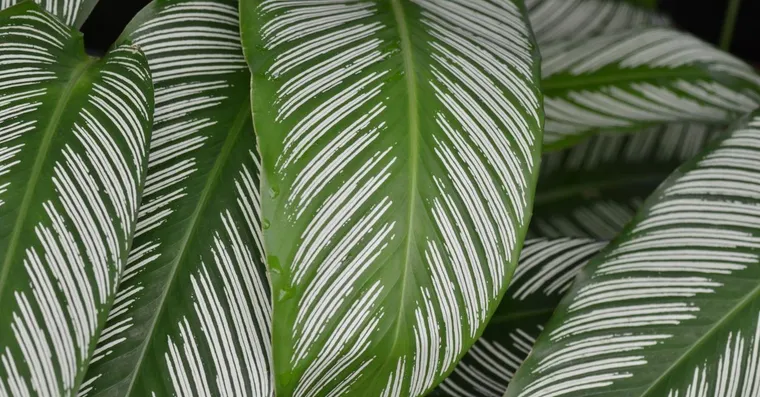
Calathea, Maranta, Ctenanthe or Stromanthe? Telling Prayer Plants Apart
All four prayer plant genera get sold under the same label. How to tell calathea, maranta, ctenanthe and stromanthe apart, and why their care differs slightly.
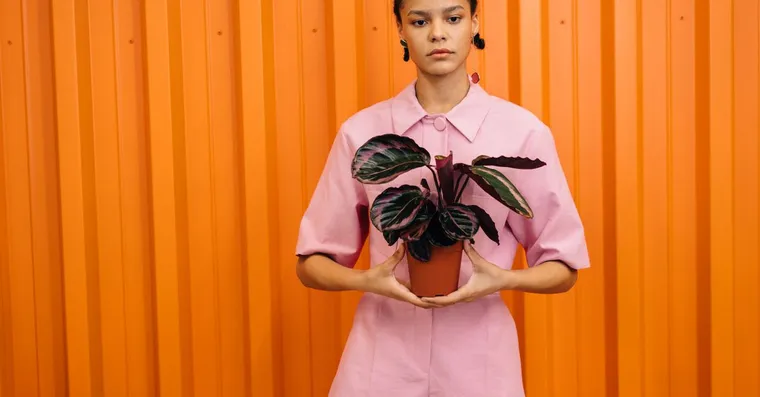
Stromanthe Triostar Care: What This Diva Actually Needs
Stromanthe Triostar is one of the hardest common shop plants to keep happy. What actually causes the browning, and the water, light and humidity it needs.
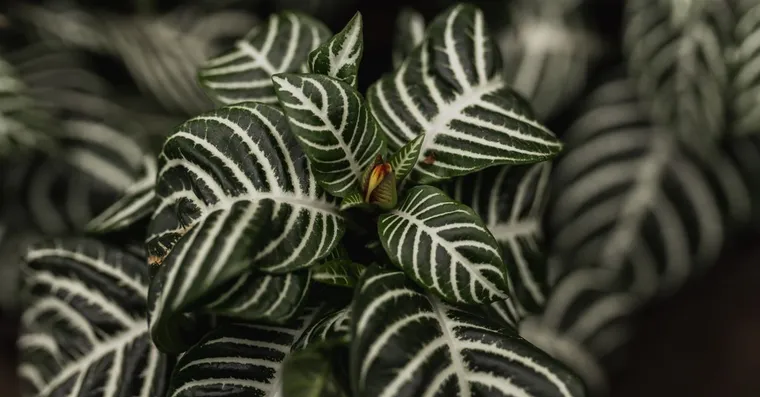
Zebra Plant Care: Growing Aphelandra Without Dropping Leaves
How to care for the striking Aphelandra zebra plant indoors, including the humidity and steady moisture it needs to keep leaves from dropping.
Not sure what plant you have? Identify it from a photo and we will point you at its care guide.
Frequently asked questions
Why are my calathea leaves going brown at the edges?
The two most common causes are water quality and low humidity. Fluoride damage from tap water appears as narrow, uniform brown tips across many leaves at once. Salt buildup from overfeeding shows as patchy, uneven browning. Low humidity causes edge browning that spreads inward. See the full diagnosis at the brown leaf tips guide.
Can I use tap water for calathea?
Tap water is the most common cause of calathea leaf tip damage. Leaving it to stand overnight removes chlorine but does nothing for fluoride, which only distillation, reverse osmosis, or rainwater removes. Distilled or rainwater is the best choice; a filtered jug is a practical middle option.
What humidity does a calathea need?
Aim for 60 percent as a working target. Most calathea species survive at 50 percent, and orbifolia tolerates 40 to 45 percent better than other types. Below 40 percent, which is typical in a centrally heated home in winter, visible leaf damage appears within 2 to 3 weeks regardless of how carefully you water.
Is calathea safe for cats?
Calathea is pet-safe, which counts in its favor if you have cats or dogs.