Ctenanthe Care: How to Grow the Never-Never Plant Indoors
How to care for a ctenanthe (never-never plant) indoors, from humidity and watering to why the leaves roll and what to do about browning leaf edges.
Some links in this guide go to Amazon. As an Amazon Associate we earn from qualifying purchases, at no extra cost to you. How this works.
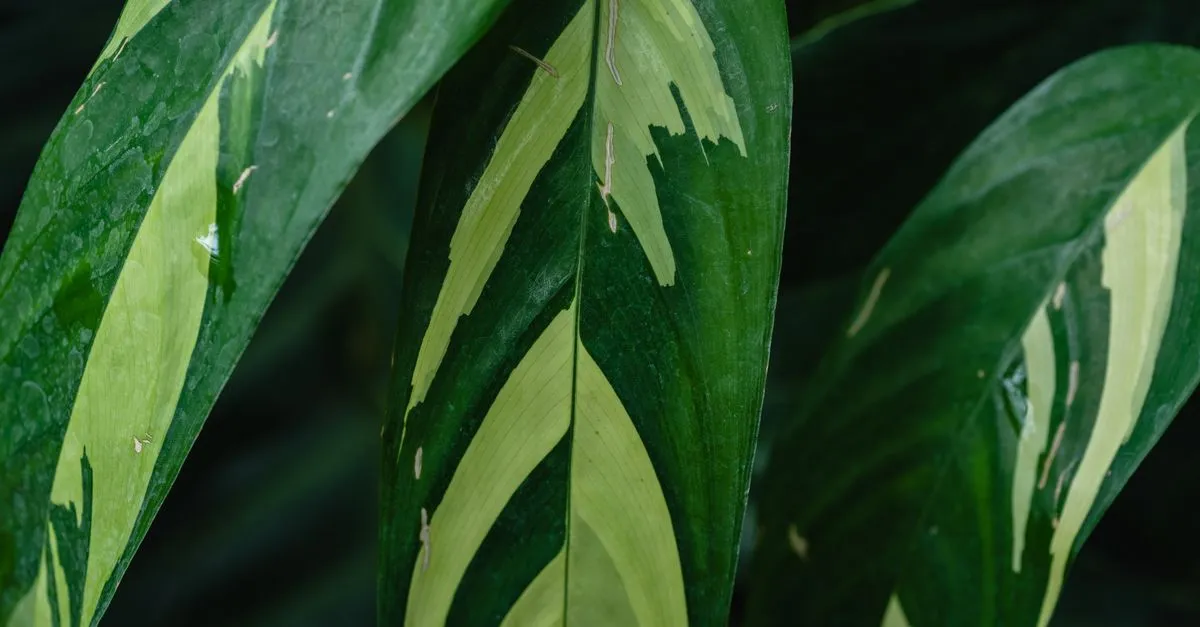
If you can grow a calathea, you can grow a ctenanthe, because they are close cousins with almost identical needs. Ctenanthe care comes down to four things: bright indirect light, evenly moist soil, clean water, and humidity. Get those right and the patterned leaves stay sharp and healthy.
What ctenanthe actually is
Ctenanthe (including Ctenanthe burle-marxii, the fishbone prayer plant, and C. oppenheimiana, the never-never plant) belongs to the Marantaceae family, alongside calathea and maranta. All three share the same care rules and the same party trick: the leaves lift and fold upward at night, then open again in the morning. Another easy-going tropical with attractive patterned foliage is the syngonium, which suits the same bright indirect light conditions. This is called nyctinastic movement, it is driven by the plant’s internal clock, and it is completely normal. If your ctenanthe looks closed up in the evening, nothing is wrong. It is simply doing what prayer plants do.
Light
Bright indirect light is the sweet spot. A spot near an east or north window, or 3 to 6 feet (1 to 2 m) back from a brighter one, gives the leaves enough energy without burning them. Direct sun scorches the patterned foliage and fades the color, so keep it out of any beam that lands on the leaves.
It tolerates medium light, but growth slows and the plant stretches toward the window. If the bold markings start to wash out or the new leaves come in plain, the spot is too dark. Move it somewhere brighter before the pattern disappears entirely.
Watering and water quality
Keep the soil evenly moist but never waterlogged. Let the top 3/4 to 1 inch (2 to 3 cm) dry out, then water thoroughly until it runs from the drainage holes. In practice that usually means watering once the surface feels dry to the touch, more often in summer and less in winter.
Water quality matters more here than with most houseplants. Ctenanthe is sensitive to the fluoride and chlorine in tap water, and salt buildup is the single most common cause of brown leaf tips. Use room-temperature filtered water, cooled boiled water, or collected rainwater. Switching your water source alone often fixes around 80 percent of browning complaints, so try that before you change anything else. Soft, mushy stems or yellowing lower leaves point the other way, toward overwatering, so let the pot drain freely and never leave it sitting in a saucer of water.
Humidity
This is the part dry homes get wrong. Ctenanthe is a rainforest-floor plant and wants humidity of around 60 percent or higher. Below that, the leaf edges go crispy and brown no matter how carefully you water. Group it with other plants, stand it on a tray of damp pebbles, or run a small humidifier nearby, which is the most reliable fix. A steamy bathroom with good light suits it well. For the full range of options, see the houseplant humidity guide.
Feeding
Feed once a month through spring and summer with a balanced liquid fertilizer diluted to half the recommended strength. That is plenty for a plant this size. Stop feeding entirely in autumn and winter, when growth naturally slows and unused fertilizer salts just collect in the soil and worsen the leaf-tip browning you are trying to avoid.
Common problems and what they mean
Ranked from most to least common:
- Brown, crispy leaf edges. Almost always low humidity or salt buildup from tap water. Raise humidity and switch to filtered or rainwater.
- Rolling or curling leaves. Usually thirst, sometimes general stress from cold, drafts, or a recent move. Check the soil first.
- Faded or lost pattern. Too little light. Move it somewhere brighter, out of direct sun.
- Yellowing lower leaves. Often overwatering or a pot with poor drainage.
The honest reality of ctenanthe care
Ctenanthe has a reputation for being fussy, and that reputation is half deserved. It is genuinely a little easier than calathea because it forgives lower humidity better and bounces back more readily from a missed watering. But the basic rules are the same, and most of the trouble people report traces back to two things: hard tap water and dry air.
The leaf movement is a feature, not a fault. A ctenanthe that folds up at night is a healthy one.
Start with the water, then the air
If you change only one thing this week, swap your tap water for filtered or rainwater and watch the next set of leaves come in, since that is where the difference shows first. Once the watering is sorted, treat winter as the danger season for crispy edges: indoor heating dries the air just as the plant slows down, so move it somewhere more humid before the heating goes on rather than after the damage appears.
Where to go next
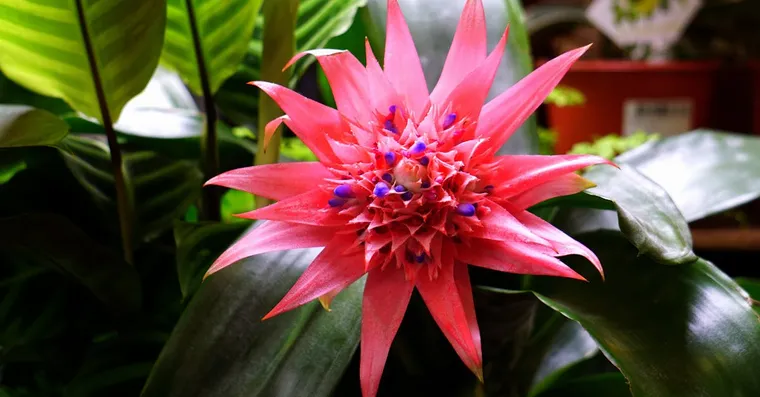
Bromeliad Care: How to Keep Your Bromeliad Alive and Blooming
How to care for a bromeliad indoors, from filling the central cup to what happens after it flowers, and how to grow the pup offsets into new plants.
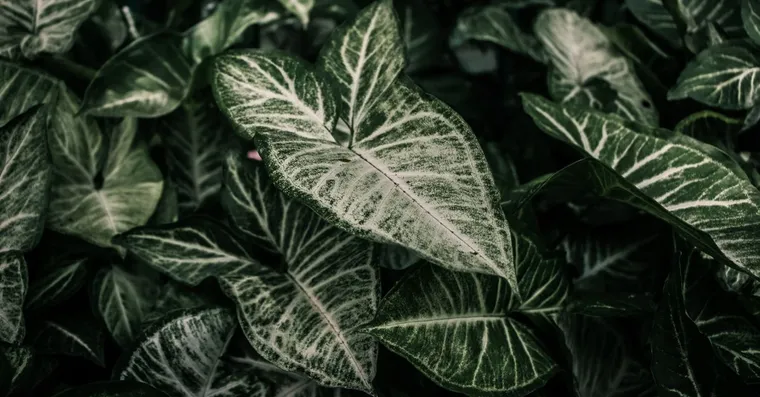
Syngonium Care: How to Grow Arrowhead Plant Indoors
How to care for a syngonium (arrowhead plant) indoors: light, watering, and humidity, plus what to do when leaves lose variegation or the plant gets leggy.
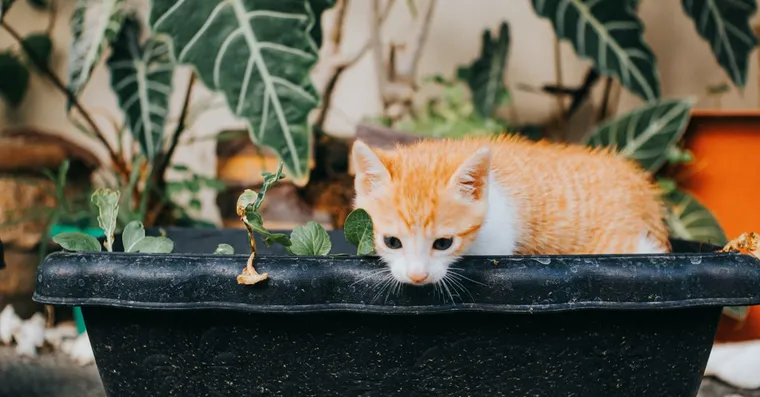
Tall Houseplants Safe for Cats: Beyond the Usual Palm List
Seven tall houseplants that are genuinely safe for cats per the ASPCA list, including several that are not palms, with honest notes on size and difficulty.
Not sure what plant you have? Identify it from a photo and we will point you at its care guide.