Houseplant Humidity: Which Plants Need It and How to Raise It
Some houseplants genuinely need humidity and some do not. Calatheas and ferns need 50 to 60 percent; for most others, a normal room is fine.
Some links in this guide go to Amazon. As an Amazon Associate we earn from qualifying purchases, at no extra cost to you. How this works.
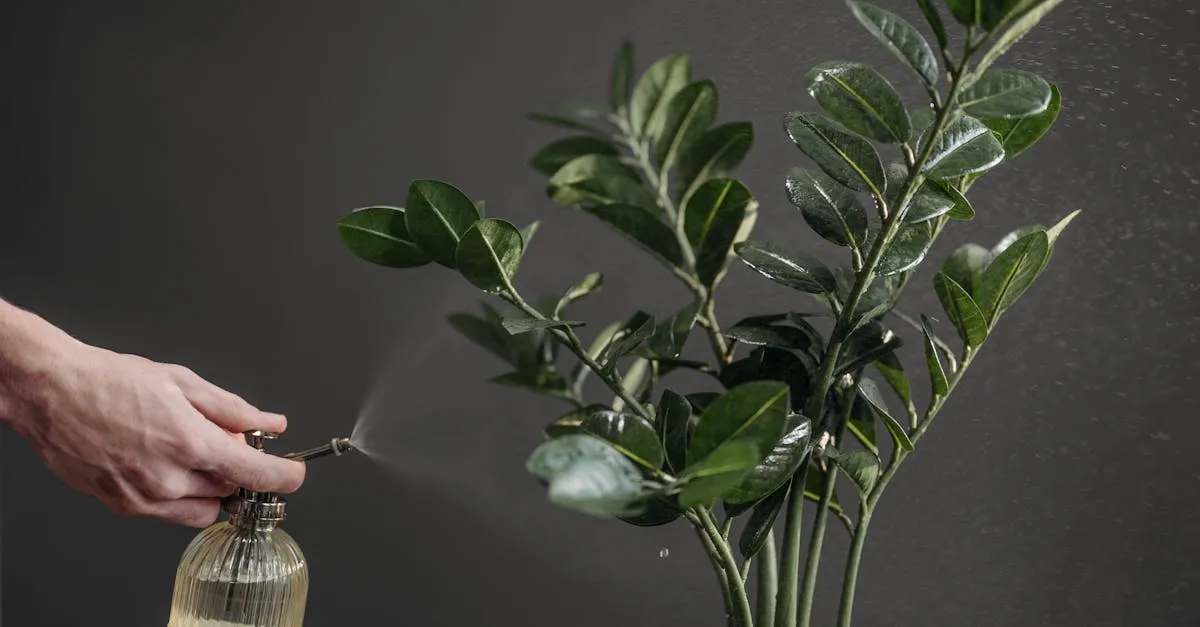
Most homes are drier than tropical plants would like, but humidity matters far less than people think, and far less than light or watering. Some plants genuinely need it; many do not care at all. You can ignore it for most houseplants and act only when one tells you it is unhappy.
Which plants actually need humidity
Humidity needs track where a plant evolved. Rank yours by how much they care.
Plants that need it. Calatheas and marantas (prayer plants), most ferns, nerve plants (Fittonia), and many orchids come from humid forest floors and want 50 to 60% relative humidity or more. In dry air they develop brown, crispy edges and may refuse to unfurl new leaves cleanly. These are the ones worth troubleshooting for.
Plants that tolerate average air. Monsteras, philodendrons, pothos, peace lilies, and spider plants prefer some humidity but are fine from about 40% upward, normal-room territory. They might grow slightly faster in a steamy bathroom, but will not suffer in a lounge.
Plants that do not need it at all. Succulents, aloe, snake plants, ZZ plants, and cacti come from dry climates and are content at 20 to 40%. High humidity does nothing helpful and, with cool air or wet soil, can encourage rot. If one struggles, the cause is watering or light, not the air.
Measure before you fix anything
Spend a few dollars on a hygrometer and read your humidity before buying anything. Most homes sit around 40 to 50%, fine for everything except the genuine tropicals. If the room is already at 50% or above, dry air is not the culprit; crispy tips come from watering instead.
Why misting barely helps
Misting feels productive, which is why it persists. But the effect is tiny and brief: a spray raises humidity around the leaves for a few minutes, then evaporates and the air is as dry as before. To matter, you would have to mist many times a day. Worse, water sitting on leaves overnight can encourage fungal spots on fuzzy-leaved plants. Treat it as a way to knock dust off foliage, nothing more.
Misting treats your conscience, not the air your plant is breathing.
What actually raises humidity
Ranked from most to least effective:
A humidifier. The only method that reliably changes a room’s humidity, lifting it 15 to 25 points and holding it there. A small cool-mist unit near your tropicals, run a few hours a day, keeps the air steady. With several fussy plants, it is by far the simplest fix. See our picks for the best humidifiers for houseplants if you decide to buy one.
Grouping plants together. Plants release water vapor through their leaves, so a tight cluster creates a more humid pocket, worth 2 to 5 points. Modest but free: group your thirstiest and keep the desert ones elsewhere.
A pebble tray. Sit the pot on pebbles with water below the stones, so the base stays above the waterline. Evaporation lifts the air around the plant by 2 to 5 points, local but real, and unlike misting it runs continuously.
Moving the plant. A bathroom or kitchen with a window typically runs 10 to 20 points above a dry living room. A fern that sulks in the lounge may just need relocating, as long as the light is adequate.
What does not work: bowls of water on the windowsill, too weak to register.
| Method | Humidity gain | Effort |
|---|---|---|
| Humidifier | 15 to 25 points | Buy and refill a unit |
| Move to a bathroom or kitchen | 10 to 20 points | Free, if the light suits |
| Group plants together | 2 to 5 points | Free |
| Pebble tray | 2 to 5 points | Cheap and passive |
| Misting | Negligible | Not worth it |
Reading brown crispy tips
Brown, dry, papery leaf edges are the classic low-humidity signal, but not proof. The same symptom comes from underwatering, tap-water minerals, or fertilizer salts. Crispy edges across just your calatheas and ferns, while the snake plant nearby looks perfect, point to humidity. Crispy edges on everything, tough plants included, point to watering or water quality. Watch for this in winter, when central heating collapses the air fast. At Lucy Liu’s London nursery, the bench hygrometer reads 70 to 80% in summer with misting running, then falls to 30 to 35% within hours once the heaters are on constantly, and that is exactly when prayer plant and fern tips start curling and crisping. Our guide to brown leaf tips walks through each cause, and the yellow leaves guide covers related symptoms.
Already-browned tissue will not turn green again. Trim the dead edge for looks, then judge by whether new leaves come in clean.
Start with the hygrometer, not the humidifier
The usual mistake is buying humidity gear before checking whether you have a humidity problem at all. Park a hygrometer next to your calatheas and ferns, and only reach for a humidifier when the reading sits below about 40% and those particular plants start crisping while the tougher ones look fine. When central heating comes on for the winter, expect the number to fall within hours, so that is the season to watch the reading and act, not the week you bring a new tropical home.
Where to go next
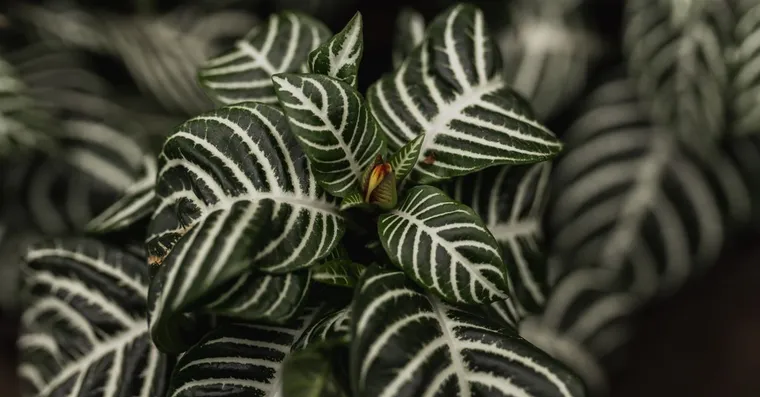
Zebra Plant Care: Growing Aphelandra Without Dropping Leaves
How to care for the striking Aphelandra zebra plant indoors, including the humidity and steady moisture it needs to keep leaves from dropping.
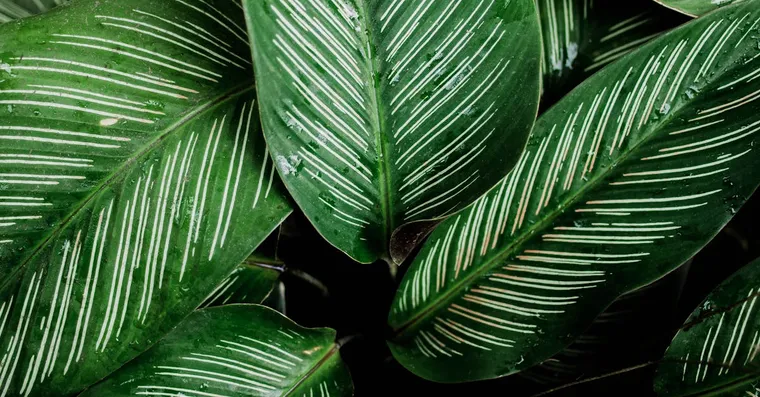
Calathea Care: Why This Prayer Plant Is Worth the Fuss
A practical care guide for calathea, covering its real demands for humidity, distilled water, and indirect light, and whether the plant suits your home.
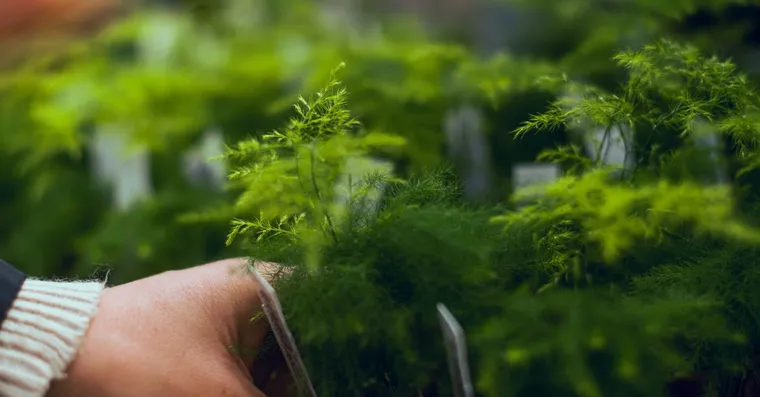
Asparagus Fern Care: Not a Fern, and It Has Thorns
Asparagus fern is not a fern, it is toxic to cats and dogs, and mature stems carry spines. Here is how to grow it and what to know first.
Not sure what plant you have? Identify it from a photo and we will point you at its care guide.
Frequently asked questions
Do houseplants really need a humidifier?
Most do not. Only genuine tropicals such as calatheas, ferns, nerve plants, and many orchids need raised humidity of around 50 to 60 percent. For everything else, normal room humidity of about 40 percent is fine, and crispy tips usually come from watering rather than dry air.
Does misting raise humidity for plants?
Barely. Misting lifts the humidity around the leaves for only a few minutes before it evaporates, so you would have to mist many times a day to matter. It also leaves water sitting on leaves, which can encourage fungal spots. Treat it as a way to remove dust, not to humidify.
What is the best way to increase humidity for houseplants?
A humidifier is the only method that reliably raises and holds a room's humidity. Grouping plants together and standing pots on a pebble tray help a little, and moving a plant to a brighter bathroom or kitchen works too. Bowls of water and misting do almost nothing.
Do I need a hygrometer for houseplants?
A cheap hygrometer is worth it before you spend anything else, because it tells you the real humidity in the room. If it already reads 50 percent or more, dry air is not your problem and you can stop worrying about it.