How Much Light Does Your Houseplant Actually Need?
Light is the need most houseplant owners misjudge. Here is how to read the light in your home with a simple shadow test, and match plants to the result.
Some links in this guide go to Amazon. As an Amazon Associate we earn from qualifying purchases, at no extra cost to you. How this works.
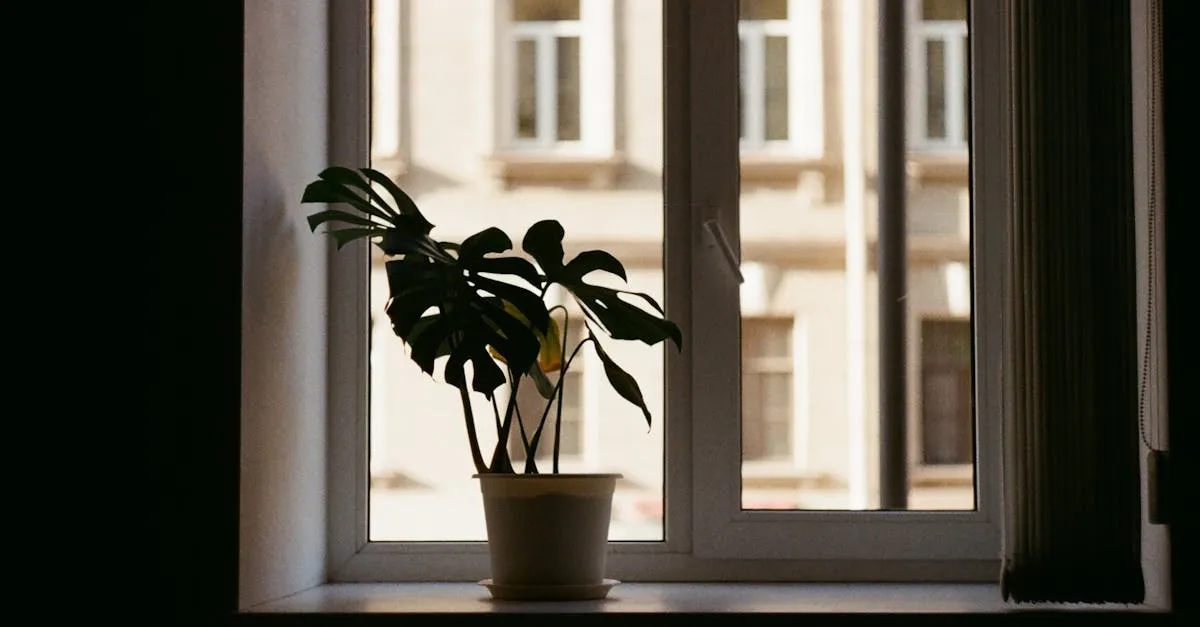
Light is the need people get wrong most often, because human eyes adjust so well that a room which feels “bright” to you can be dim to a plant. Getting light right prevents a long list of problems before they start, and getting it wrong is behind a large share of slow declines that owners mistake for a watering or feeding fault.
The light categories, in plain terms
These four terms appear on almost every plant label. Knowing what they actually mean is half the battle.
Bright direct light. Sun lands directly on the plant for several hours a day. This is right against a south or west-facing window with nothing in the way. It suits cacti and succulents and scorches most leafy houseplants.
Bright indirect light. The spot is bright but the sun’s rays do not fall directly on the leaves. Near an east window, or 3 feet (1 m) or so back from a south or west one, or beside a south window with a sheer curtain. This is what most popular houseplants want, and the term most often misjudged.
Medium light. 10 feet (3 m) from a bright window, or right at a north-facing one. Workable for many plants, though growth is slower and variegated types may fade.
Low light. A dim corner well away from any window, an interior hallway, a north room with the view blocked. Only the toughest plants cope here, and even they tolerate it rather than thrive. There is no such thing as a “no light” plant; every plant needs some.
How to actually judge the light in a room
Light is hard to estimate by eye, so use a quick test rather than a guess.
The shadow test. On a bright day around midday, hold your hand a foot above where the plant will sit and look at the shadow it casts.
- Sharp, crisp-edged shadow: bright light.
- Soft, fuzzy shadow: medium light.
- Barely any shadow at all: low light.
Watch the spot across a day. Light moves. A spot that catches direct morning sun may be in shade by afternoon. Check the intended position at a few different times before committing a plant to it.
Use a phone light meter if you want a number. Free lux-meter apps are rough but useful for comparing two spots. As a guide, bright indirect light is roughly 10,000 to 20,000 lux, medium light around 5,000 to 10,000, and low light below that. Treat the figures as relative, not exact.
A guide by window direction
Window direction sets the ceiling on how much light a spot can get. This holds for the northern hemisphere; reverse north and south if you are in the southern hemisphere.
- South-facing: the brightest, with direct sun for much of the day. Excellent for sun-lovers right at the glass, and good for most plants set back 3 feet (1 m) or filtered by a curtain.
- East-facing: gentle direct sun in the morning, then bright indirect light. One of the safest spots for the widest range of houseplants.
- West-facing: bright indirect light for much of the day with strong, hot direct sun in the afternoon. Good, but the afternoon sun can scorch tender leaves at the glass.
- North-facing: the dimmest, with no direct sun and a steady, soft light. Suits low to medium light plants only.
Distance matters as much as direction. Light falls away sharply as you move into a room, so a plant 3 feet (1 m) back from a window receives far less than one on the sill, even though the room looks equally bright to you.
What the plant tells you
Not enough light:
- Long, stretched, leggy growth reaching toward the window, with wide gaps between leaves
- Small, pale new leaves
- Variegated plants losing their pattern and turning plain green
- Soil staying wet for a long time because the plant is barely growing and using little water
Too much light:
- Bleached, washed-out, or faded patches, worst on the side facing the sun
- Dry, crispy brown patches or scorched tips where direct sun has burned the tissue
- Leaves that feel papery or look generally tired in a spot that gets harsh midday sun
Too little light is by far the more common problem indoors, and the slower to show, which is why it is so often missed.
Matching plants to your light
The reliable approach is to read the light you have first, then choose plants for it, rather than buying a plant and hoping the room suits it.
- For a bright, sunny window: succulents, cacti, and other sun-lovers.
- For bright indirect light: most popular foliage houseplants, including pothos, monstera, and philodendron.
- For medium light: spider plants, peace lilies, and many ferns, with the understanding that growth is slower.
- For genuinely low light: the short list of tough low-light plants such as the ZZ plant and snake plant, which tolerate dim corners.
Practical fixes
If a plant is stretching, move it closer to a window or to a brighter one. If leaves are scorching, pull it back from the glass or filter the light with a sheer curtain. Rotating a plant a quarter turn each week keeps growth even, since it will otherwise lean steadily toward the light.
For genuinely dark rooms, you have two honest options: choose a plant that tolerates low light, or add a grow light. A basic LED grow light on a timer for 10 to 12 hours a day solves the problem completely and costs little to run.
Trust the shadow, not your eyes
The single mistake to avoid is trusting how bright a room feels, because your eyes flatter every spot by at least one category; run the shadow test instead and you will rarely misjudge it. Remember too that indoor light drops sharply from autumn into winter, so a position that suited a plant in June may leave it stretching by December, which is the cue to move it closer to the glass or switch on a grow light for the darker months.
Where to go next
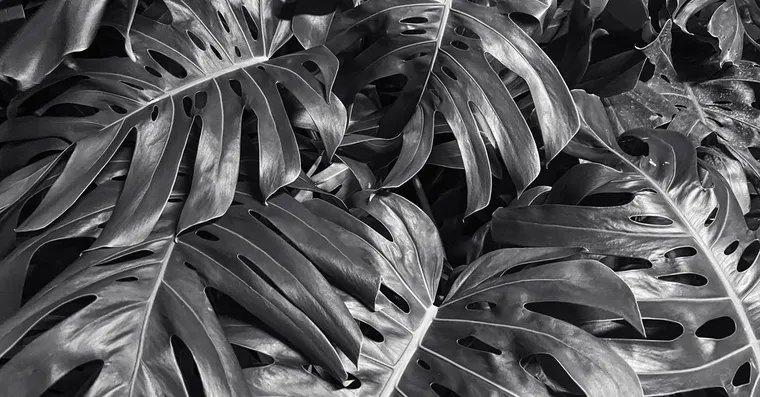
Why Isn't My Monstera Splitting? Fenestration Explained
New monstera leaves without holes or splits are almost always a sign of youth or too little light, not a disease you need to treat.
Best grow lights for indoor plants
A practical buying guide to grow lights for houseplants: which type to choose, what the specs actually mean, and when you do not need one at all.
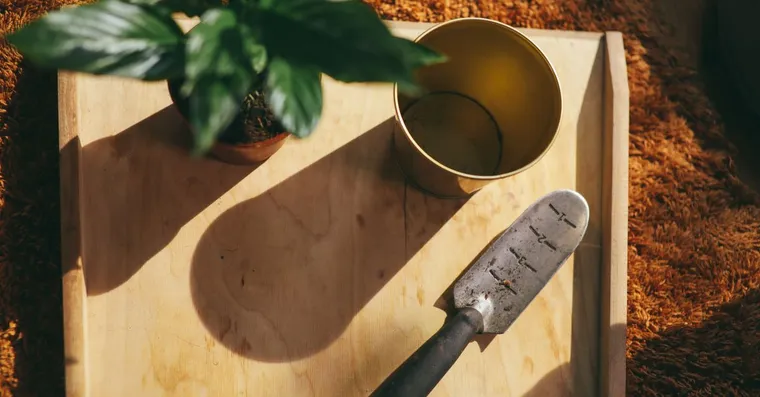
Houseplant tools every beginner needs
A no nonsense starter kit for new plant owners: the few tools genuinely worth buying first, the ones you can skip, and roughly what to spend.
Not sure what plant you have? Identify it from a photo and we will point you at its care guide.