How Often Should You Water a Pothos? A Practical Guide
Pothos does not run on a fixed schedule. Here is the simple check that tells you when to water: push a finger 1 to 2 inches (3 to 5 cm) into the soil, not just the surface.
Some links in this guide go to Amazon. As an Amazon Associate we earn from qualifying purchases, at no extra cost to you. How this works.
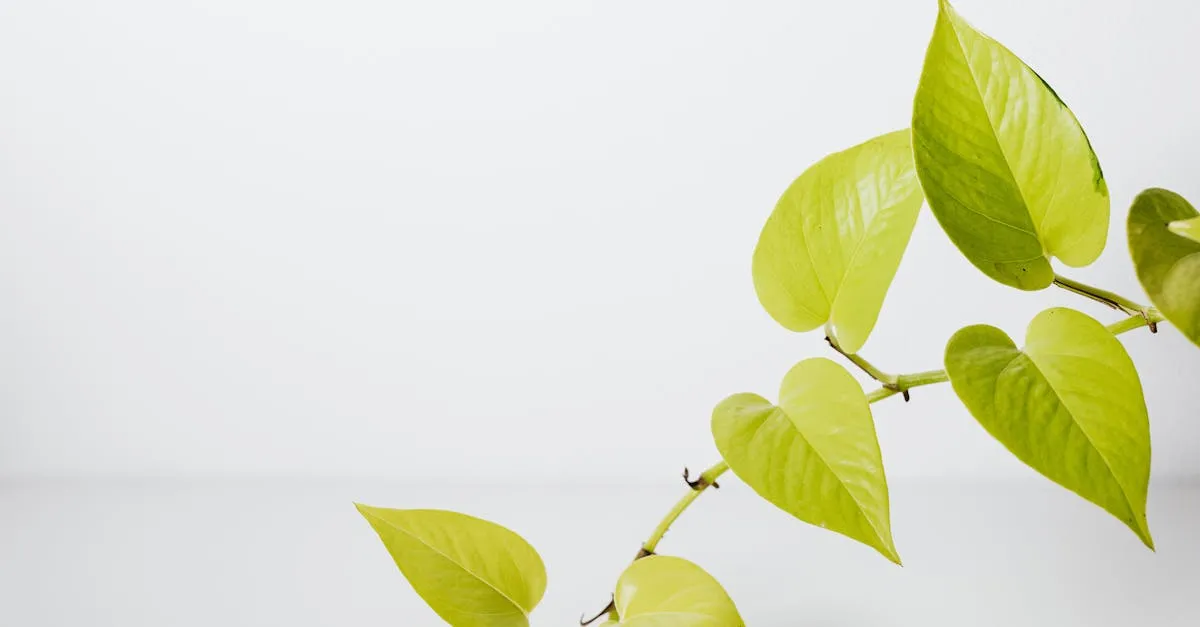
The honest answer to “how often should I water my pothos” is: there is no fixed number of days. Watering on a calendar is the single most common way pothos owners end up with root rot. The plant’s need for water changes with light, temperature, pot size, and season.
Quick answer: Check the soil before every watering. Push a finger 2 inches (5 cm) into the mix; water only if it is dry at that depth. For most pothos in average indoor conditions this works out to roughly once every 7 to 10 days in summer and every 10 to 14 days in winter, but always let the soil decide.
Why a schedule fails
A pothos in a sunny window in July and the same plant in a dim room in January want water at completely different rates. A fixed schedule cannot track that, so it is always wrong some of the time, and the expensive mistake is watering while the soil is still wet. Pothos is a vining plant adapted to drying out between rains, not a bog plant. Keep the roots permanently soaked and they suffocate. Use a check instead of a calendar and the guesswork disappears.
The soil-moisture method
Push a finger into the soil up to the second knuckle, roughly 2 inches (5 cm) deep.
- Dry at that depth: water now.
- Still damp: wait two or three days and check again.
That is the entire method. The surface of the soil dries first and tells you very little, which is why you check at depth. If you would rather not use a finger, a wooden chopstick or skewer pushed in and pulled out works the same way: dry and clean means water, damp with soil clinging to it means wait. Cheap moisture meters exist but are unreliable, so the finger remains the better tool.
How to water properly
When it is time, water thoroughly. Pour slowly until water runs freely from the drainage holes, which wets the entire root ball rather than just the surface. Empty the saucer after a few minutes so the pot is never sitting in standing water.
A pothos recovers quickly from being too dry. It recovers slowly, if at all, from being too wet. When unsure, wait.
Thorough but infrequent watering beats little and often. Frequent splashes keep only the top layer damp while the lower roots stay either dry or, worse, stale and airless.
What changes the frequency
Light. A pothos in bright indirect light photosynthesizes and drinks noticeably faster than one in a dim corner. Brighter spot, more frequent watering.
Season. Growth slows in winter as light and warmth drop, so the soil stays wet far longer. Expect to water meaningfully less from late autumn through winter, often only every 10 to 14 days or less. In summer the same plant may want water twice as often. The check adjusts for this automatically; a schedule does not. Pothos also adapts to growing outside soil entirely: see growing pothos in an aquarium if you want to try a soil-free setup.
Temperature and humidity. A warm, dry room speeds evaporation and the plant dries faster. A cool or humid room holds moisture in the soil longer.
Pot material. Terracotta is porous and wicks moisture out through its walls, so it dries soil faster than plastic or glazed ceramic. The same plant in terracotta needs water sooner.
Pot size. A plant in an oversized pot sits in a large volume of slow-drying soil, which raises the rot risk. Pot up only one size at a time.
Over-watering versus under-watering
Pothos is unusually clear about what it wants, but the two problems can look similar at a glance, so always check the soil before reacting.
Under-watered: leaves go slightly limp, soft, and may curl inward; the soil is dry. After a thorough watering the leaves firm up within hours. This is easily fixed.
Over-watered: leaves turn yellow, often several at once and starting low on the plant; the soil is wet to the touch; in bad cases the stems go soft and black at the base. This is the dangerous one.
If you see limp or curling leaves, check the soil first. Limp plus dry means water. Limp plus wet means stop watering and read our guide on saving an overwatered plant.
Common mistakes
- Watering on a fixed day each week regardless of how wet the soil is.
- Judging by the surface only. The top half inch (1 cm) dries long before the root zone does.
- Watering a little and often, which leaves the lower roots either parched or stale.
- Leaving the pot in a full saucer, so the roots sit in water no matter how carefully you watered.
- Using a pot with no drainage hole. No check can save a pothos that has nowhere for excess water to go.
Make the finger check your only schedule
If you change one habit, let it be this: check the soil at depth before every single watering and skip it entirely whenever the mix is still damp, even if a week or more has passed. The plants that thrive are almost always the ones their owners underwater slightly rather than keep wet, so when winter slows growth and the soil holds moisture for two weeks or more, trust the check and wait. A pothos will tell you it is thirsty long before it is in real trouble, which gives you all the room you need to err on the dry side.
Where to go next
Why Is My Pothos Drooping or Curling?
Why pothos leaves droop or curl, how to read the difference between thirst and overwatering, and the fixes that bring it back.
Why Is My Monstera Turning Yellow? Causes and Fixes
Yellow leaves on a monstera usually mean a watering problem, but light, feeding, and age all matter; here is how to tell them apart.
Guttation: Why Your Houseplant Drips Water at Night
Those water drops on leaf tips in the morning are guttation, not sweat or dew. What causes it, when it is harmless, and when it hints at overwatering.
Not sure what plant you have? Identify it from a photo and we will point you at its care guide.