Aloe Vera Care: Growing It Indoors With Little Effort
Aloe vera is a low-effort succulent that wants bright light and rare watering. Let the soil dry completely before each drink, and it will look after itself.
Some links in this guide go to Amazon. As an Amazon Associate we earn from qualifying purchases, at no extra cost to you. How this works.
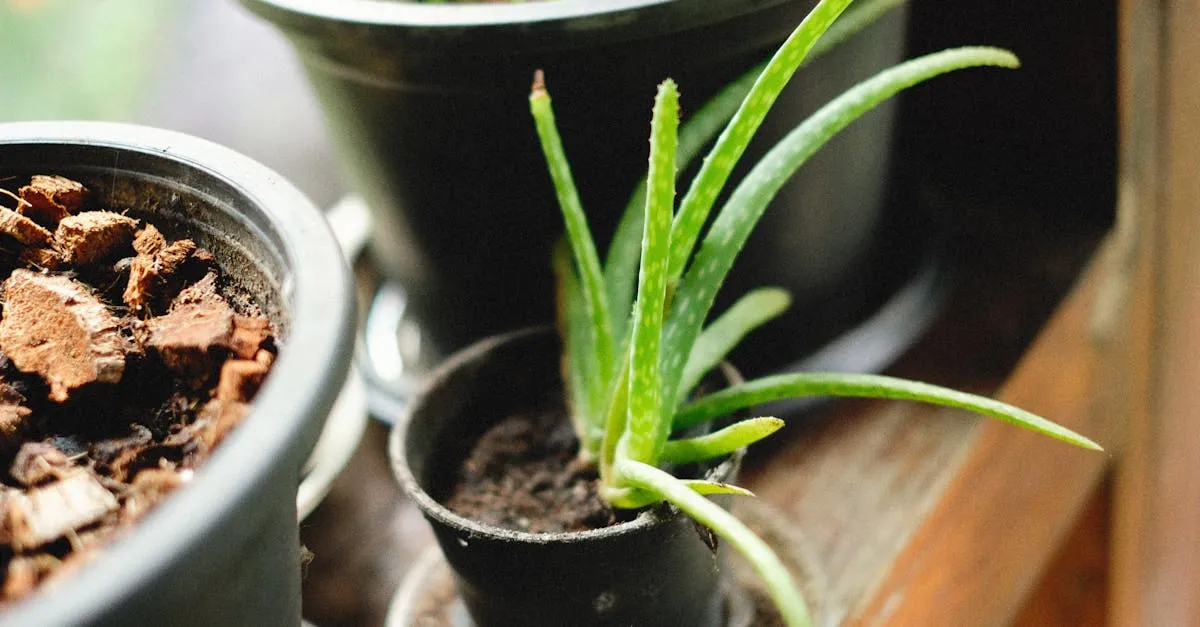
Aloe vera is one of the few houseplants that suffers more from attention than from neglect. It is a desert succulent built to store water and wait out long dry spells, so the way to keep it happy is mostly to leave it alone in a bright spot. Get the light and the soil right, and the watering takes care of itself.
The light it actually wants
Aloe vera needs the brightest light you can give it indoors. A south or west-facing windowsill is ideal, and it will happily take direct sun for several hours a day. In weaker light the plant survives but stretches: leaves grow thin, pale, and flop outward instead of standing upright in a tidy rosette. If yours has already gone leggy from low light, moving it to stronger light is the first fix.
If your aloe is leaning hard toward the window, turn the pot a quarter every week or two so it grows evenly. Plants that have spent winter in dim light need time to adjust: move them into stronger sun gradually over 7 to 14 days, adding 1 to 2 hours of direct sun per day. Skip this step and the leaves can scorch and develop bleached papery patches. Aloe is not a low-light plant; if your brightest window is still dim, consider a tougher low-light option and keep the aloe somewhere it can bask.
Soil and pot that drain fast
Aloe roots rot quickly in soil that stays wet. Use a gritty, fast-draining mix: a cactus and succulent compost is fine, and you can improve it further by stirring in extra perlite, coarse sand, or fine grit so water runs straight through.
The pot must have a drainage hole. Terracotta is the best choice because it is porous and dries the rootball faster than plastic or glazed ceramic. Choose a pot only slightly larger than the rootball, since a large volume of soil holds moisture far longer than the plant can use it.
Watering: deep, then leave it alone
This is where most aloes are lost. The rule is simple: water deeply, then wait until the soil is bone dry all the way through before watering again. For a closer look at timing across the seasons, see how often to water succulents.
When you do water, pour until it runs from the drainage hole, then tip away anything left in the saucer. In summer this might mean watering every two to three weeks; in winter it can stretch to once a month or more. Do not water on a fixed schedule. Push a finger deep into the pot, or lift it to feel the weight, and only water when it is genuinely dry.
With aloe vera, the question is never “is it time to water” but “is the soil completely dry yet”.
What the leaves are telling you
Leaf color and texture map reliably to cause once you know what to look for.
Reddish or purple tinge is sun stress, not damage. It usually appears in summer when the plant gets more direct light than it is used to. Monitor it for a week; if the color holds but the leaves stay firm the plant is adjusting normally.
Brown crispy tips only point to minerals in tap water or a cold draft near a vent or leaky window frame. Try filtered or rainwater, and check the plant is not sitting against cold glass overnight.
Brown bleached papery patches are sunscorch from moving to direct sun too quickly. See sunburn on houseplant leaves to distinguish it from other browning causes.
Soft, yellow, or translucent leaves mean overwatering, almost always starting from the base. Stop watering, let the soil dry fully, and check the roots: firm and pale is healthy, brown and slimy needs treatment. See root rot treatment and overwatering versus underwatering for the rescue steps.
Thin leaves curling inward mean underwatering. Give the plant a deep soak and it will recover within about 48 hours. This is far less dangerous than overwatering and easy to reverse. If you are unsure which problem you have, why is my succulent soft and mushy walks through the distinction in detail.
Winter care
Aloe vera tolerates cool rooms but not cold ones. Keep it above 50°F (10°C); anything lower risks damage to the stored water in the leaves.
If your window is near freezing on winter nights, slide the pot 6 to 8 inches (15 to 20 cm) back from the glass after dark and return it to the light in the morning. In a room that stays below 60°F (15°C) through winter the plant barely uses water at all. Once every 5 to 6 weeks is a reasonable starting point; always confirm the soil is completely dry before deciding whether to water.
Pups: when and how to separate them
A healthy aloe produces offsets, often called pups, that sprout around the base of the parent. Wait until a pup is at least 4 inches (10 cm) tall and roughly a quarter of the spread of the parent plant before separating it. Smaller pups do not have enough stored resources to cope with the shock of separation.
Slide the whole plant out of its pot and gently pull the pup free, or sever it with a sterilized blade. Pot it straight into a gritty mix, then wait 7 to 10 days before the first water so the cut calluses properly. To tell when watering time has arrived, lift the pot: when it feels noticeably light the soil is dry and you can water. For more detail on the process, see how to propagate succulents. Leaf cuttings do not work reliably for aloe, so do not attempt them. Lucy Liu, at her London nursery, notes two things to expect after separation: the parent often looks deflated and slightly gray for roughly two weeks while its roots settle back in, and the pup spends that period establishing itself underground, so its first bright green center leaf typically does not appear for 4 to 6 weeks.
Harvesting gel: drain the aloin first
Cut an outer, mature leaf close to the base rather than snipping leaf tips. A yellow to amber liquid will immediately seep from the cut end. This is the latex layer beneath the skin, and it is a mild irritant and laxative. Stand the leaf cut-side down on a paper towel for about 10 minutes to let it drain before scooping out the clear gel inside.
Fresh gel keeps refrigerated for 1 to 2 weeks in a sealed container. Raw gel from the plant is not the same as stabilized commercial aloe products. Patch-test on a small area of skin before applying it more broadly, especially if your skin is sensitive.
Pet safety
Aloe vera is widely listed as toxic to cats and dogs. If you share your home with pets, see pet-safe houseplants for alternatives that pose no risk.
Aloe punishes a heavy hand
The mistake that kills more aloes than anything else is watering one more time just in case, so when you are unsure, wait another week and check the soil before you reach for the can. A thriving plant looks unremarkable: firm, upright leaves in a tight rosette, perhaps with a slight reddish tinge in strong summer sun. Through the darker months let it sit nearly dry and almost forgotten, and it will be ready to push fresh growth as the light returns in spring.
Where to go next
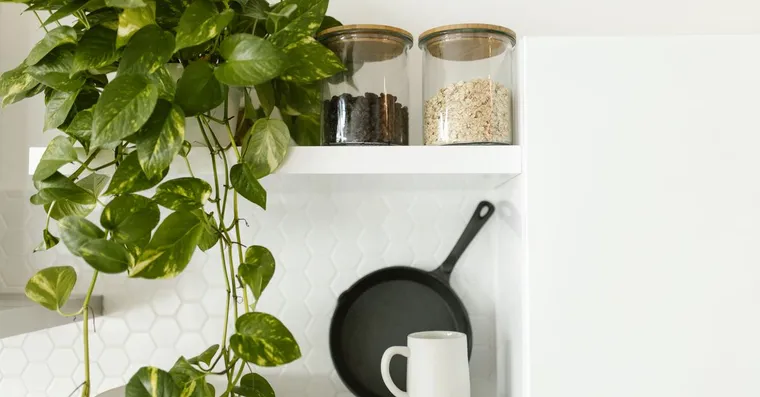
How to Grow Houseplants in Water, No Soil Needed
Which houseplants happily live in just water, how to keep them healthy long term, and the feeding and water changes that prevent rot.
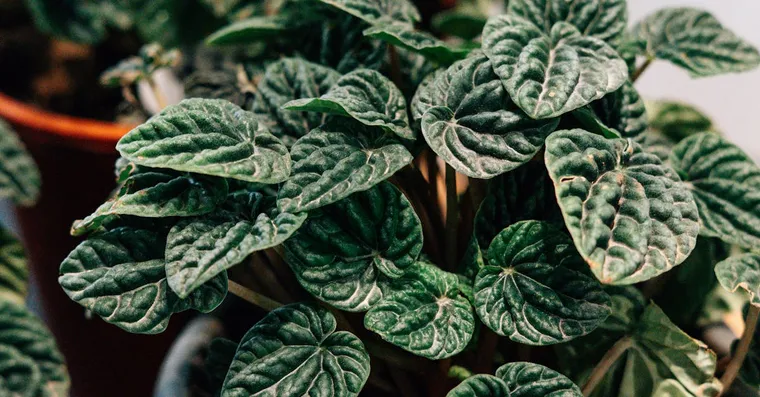
Peperomia Care: A Guide to the Easy Radiator Plants
A care guide for peperomia, the compact semi-succulent houseplants, covering light, the watering habits that prevent rot, and why they stay small.
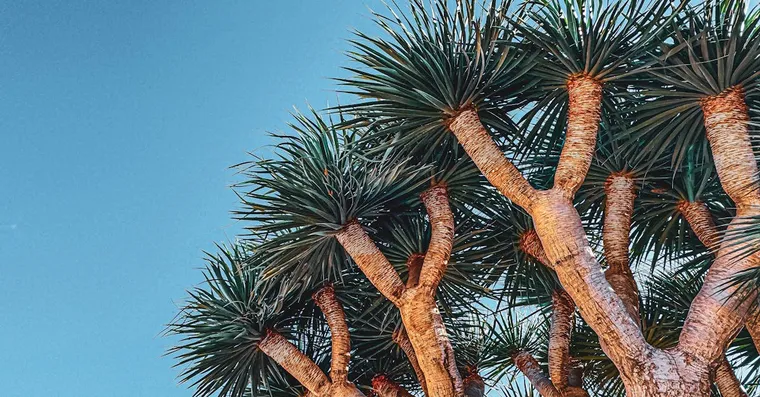
Ponytail Palm Care: The Drought-Tolerant Not-a-Palm
A care guide for the ponytail palm, covering the bright light and very infrequent watering this succulent-like plant needs, despite the palm name.
Not sure what plant you have? Identify it from a photo and we will point you at its care guide.
Frequently asked questions
How often should I water aloe vera?
Water deeply when the soil is bone dry all the way through, then wait again. In summer that is roughly every two to three weeks; in winter every five to six weeks in a cool room. Never water on a fixed schedule: push a finger deep into the pot and only water when it is genuinely dry.
Why are my aloe leaves soft and mushy?
Soft, mushy, yellow or translucent leaves almost always mean overwatering. Stop watering immediately, let the soil dry out fully, and check the roots. Firm pale roots are healthy; brown slimy roots need root rot treatment.
Is aloe vera toxic to cats and dogs?
Yes. Aloe vera is widely listed as toxic to cats and dogs. Keep it out of reach of pets and see our guide to pet-safe houseplant alternatives.
How do I use the gel from an aloe leaf?
Cut an outer mature leaf near the base. A yellow to amber liquid will seep from the cut end; stand the leaf cut-side down on a paper towel for about ten minutes to let that latex drain before scooping out the clear gel. Refrigerate fresh gel and use it within one to two weeks. Always patch-test on a small area of skin first, especially if your skin is sensitive.