Ponytail Palm Care: The Drought-Tolerant Not-a-Palm
A care guide for the ponytail palm, covering the bright light and very infrequent watering this succulent-like plant needs, despite the palm name.
Some links in this guide go to Amazon. As an Amazon Associate we earn from qualifying purchases, at no extra cost to you. How this works.
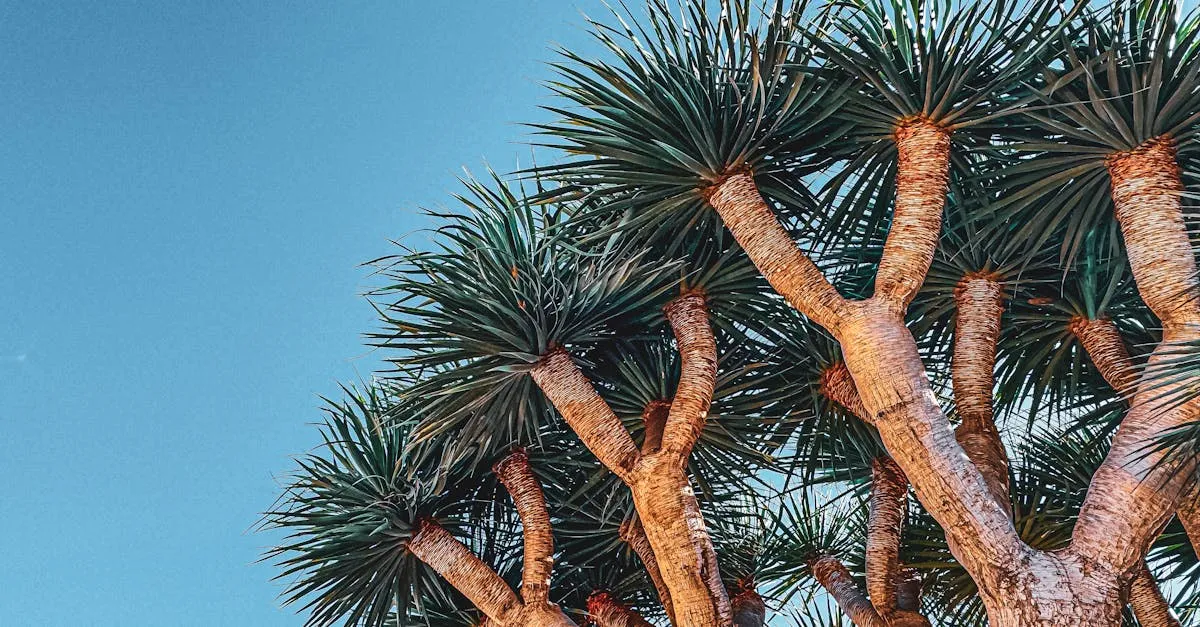
The ponytail palm is one of the most forgiving houseplants you can own, and most of what people get wrong about its care comes from the name. Despite the curtain of strappy leaves on top, it is not a palm at all: it is a succulent, Beaucarnea recurvata, that stores water in the swollen base of its trunk. Once you understand that, ponytail palm care becomes simple. Give it strong light, water it rarely, and otherwise leave it alone.
Why it is not a palm, and why that matters
The bulbous base, often called the caudex, is a water reservoir. In the wild this plant grows in dry parts of eastern Mexico, where it survives long droughts by drawing on stored moisture. That reservoir is the key to everything. It means the plant expects to dry out completely between drinks, and it means the most reliable way to kill one is to keep the soil wet. Treat it like a cactus or an aloe, not like a tropical palm.
Light: as bright as you can give it
Bright, direct sun is ideal. A south or west-facing window is the best spot indoors. The ponytail palm will tolerate a few hours of full sun on the glass without scorching, which most houseplants will not.
Medium light is survivable but slow. In a brighter spot away from the window it will hang on, but growth slows and the leaves can look limp. It will not thrive in genuine low light, so this is not a low-light plant despite its tough reputation.
If you move one from a dim shop to a sunny window, give it a week or two to adjust rather than dropping it straight into harsh midday sun.
How to water a ponytail palm
This is where nearly every problem starts. Water deeply, then wait a long time.
- Soak the soil fully until water runs from the drainage holes, then tip away anything left in the saucer.
- Let the soil dry out completely before watering again. Not just the top layer, the whole pot.
- Water roughly every two to three weeks in summer, and as little as once a month or less in winter when growth stops.
The plant tells you what it needs through its base. The trunk should feel firm and solid. If it starts to feel soft, spongy, or wrinkled, that is a sign of trouble, usually overwatering and the beginnings of rot. A firm caudex means you are watering correctly.
When in doubt, do not water. This plant forgives neglect far more readily than it forgives a soggy pot.
Soil and potting
Use a free-draining mix. A cactus and succulent compost is perfect, or ordinary potting soil cut with plenty of grit, perlite, or coarse sand. The pot must have drainage holes. Choose one only slightly larger than the base, because a large pot holds a large volume of wet soil that stays damp too long. Ponytail palms are happy being snug and rarely need repotting more than once every few years.
Slow, long-lived, and almost impossible to kill
Be honest with yourself about pace. This is a slow grower indoors, often adding only an inch or two (3 to 5 cm) a year, and a houseplant specimen may take many years to develop the thick swollen base seen in photos. In return it is genuinely long-lived, often outlasting decades of other plants on the windowsill. It needs very little feeding: a diluted balanced fertilizer once or twice over spring and summer is plenty.
The marketing line that it is “impossible to kill” is close to true, with one exception. Drought, low light, and neglect rarely finish it off. Constant wet soil will. Brown, crispy leaf tips are usually cosmetic and can be trimmed with scissors; a soft trunk is the only symptom worth real worry.
Safe around pets and children
The ponytail palm is non-toxic to cats and dogs, which sets it apart from many common houseplants. That makes it a sensible choice for homes with curious animals or small children. If you want more options, see the guide to pet-safe houseplants. If you prefer the look of a true feathery-fronded palm, the areca palm is the most popular indoor option, though it demands more water and humidity than this plant does.
Get the winter rhythm right
The mistake that catches out new owners is carrying a summer watering habit into the colder months, when the plant has all but stopped growing and wants a drink only every five or six weeks at most. Going into autumn, stretch the gaps and let the base be your guide: as long as the caudex stays firm, you are doing nothing wrong by waiting longer. Get that rhythm right and this becomes a plant you can genuinely forget about for weeks at a time without consequence.
Where to go next
Yucca Plant Care: Growing the Indoor Yucca Without Root Rot
A care guide for indoor yucca covering light, infrequent watering, and the overwatering mistakes that kill an otherwise nearly indestructible plant.
How to Grow Houseplants in Water, No Soil Needed
Which houseplants happily live in just water, how to keep them healthy long term, and the feeding and water changes that prevent rot.
Peperomia Care: A Guide to the Easy Radiator Plants
A care guide for peperomia, the compact semi-succulent houseplants, covering light, the watering habits that prevent rot, and why they stay small.
Not sure what plant you have? Identify it from a photo and we will point you at its care guide.