Yucca Plant Care: Growing the Indoor Yucca Without Root Rot
A care guide for indoor yucca covering light, infrequent watering, and the overwatering mistakes that kill an otherwise nearly indestructible plant.
Some links in this guide go to Amazon. As an Amazon Associate we earn from qualifying purchases, at no extra cost to you. How this works.
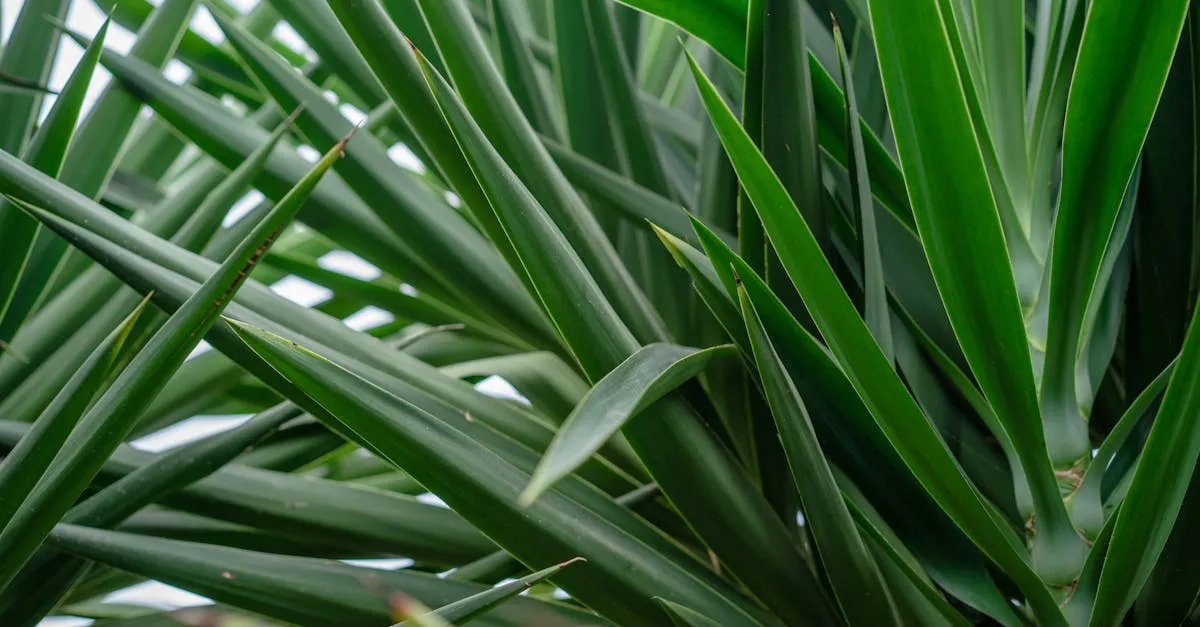
The yucca is one of the toughest houseplants you can own, but it kills more often through kindness than neglect. Most yucca plant care comes down to two things: give it the brightest spot you have, and water it far less than instinct tells you to. Get those right and the plant largely looks after itself; get the watering wrong and you get root rot, which is the one mistake a yucca rarely forgives.
What a yucca actually wants
Yuccas are desert and dry-grassland plants, built to store water and tolerate long dry spells. Indoors, the popular types are the spineless yucca (Yucca elephantipes, also sold as a cane plant) and the sharper-leaved Yucca aloifolia. They are slow, structural plants grown for their stiff rosettes of sword-shaped leaves on a thick trunk, not for fast growth or flowers. Treat the indoor yucca as a low-water, high-light plant and you will rarely go wrong.
Bright light, and plenty of it
Light. A yucca wants the brightest position in your home, ideally a south or west-facing window where it gets a few hours of direct sun. It will survive in moderate light, but it stretches, leans towards the glass, and grows pale and floppy. If your brightest window still feels dim, a grow light closes the gap. This is not a plant for a dark corner; if you need one for low light, a snake plant or ZZ plant is a better match. Another structural, drought-tolerant plant that suits a bright spot with a similar infrequent watering routine is the ponytail palm, which stores water in its swollen base and can go weeks between drinks.
Deep but rare watering
This is where yuccas live or die. The plant stores water in its trunk and roots, so it expects to dry out completely between drinks.
Let the soil dry right through. Water only when the top half of the pot is bone dry. In practice that often means every two to three weeks in summer and once a month or less in winter. Push a finger deep into the soil or lift the pot: if it still feels damp or heavy, wait.
Water deeply when you do. Soak the soil until water runs from the drainage holes, then tip away anything in the saucer. A thorough but infrequent soak suits the plant far better than frequent sips.
Cut back hard in winter. Growth slows or stops in the cooler months, so the plant needs very little. Most winter yucca deaths are simply overwatering on a summer schedule.
When in doubt, do not water: a thirsty yucca recovers in a day, a waterlogged one rots from the roots up.
Why soggy soil is the only real threat
Root rot is the single thing most likely to kill your yucca, and it almost always starts with soil that stays wet. Roots sitting in moisture cannot breathe, they begin to decay, and the damage reaches the trunk before the leaves show much. Warning signs are a soft or spongy base, a sour smell, and yellowing lower leaves on a plant you have been watering often.
Use a gritty, fast-draining mix. A cactus and succulent compost, or standard potting mix cut with a third perlite or coarse grit, lets water pass through quickly.
Insist on a drainage hole. No yucca should sit in a pot without one. Decorative covers are fine only if you lift the inner pot out to drain.
Do not overpot. A large pot holds a large volume of slow-drying soil. Yuccas are happy slightly cramped, so go up one pot size at most when repotting. If rot has already set in, act quickly, as outlined in our guide to treating root rot.
The catch nobody mentions: those leaf tips
Yuccas are sold as easy, and they are, but the stiff leaves end in genuinely sharp points that can scratch skin or catch an eye at face height. Keep the plant out of doorways, hallways, and anywhere children or pets brush past. Some growers trim the worst tips with scissors; it is harmless to the plant. Worth knowing too: yuccas are mildly toxic if chewed, so they are not the right pick for a home full of curious pets.
Beyond that, feeding is light work. A diluted balanced feed once or twice over spring and summer is plenty, and none in winter. Wipe dust off the leaves occasionally so they can photosynthesize well.
The watering can is the real risk
The fastest way to lose a healthy yucca is a regular watering routine, so set your schedule by how dry the soil is rather than by the calendar, and lean towards waiting a few more days whenever you are unsure. Going into autumn and winter, deliberately stretch the gaps between waterings even further, because that is exactly when a summer habit turns into root rot. Get comfortable with a plant that looks like it needs nothing for weeks at a time, because for a yucca that is precisely what thriving looks like.
Where to go next
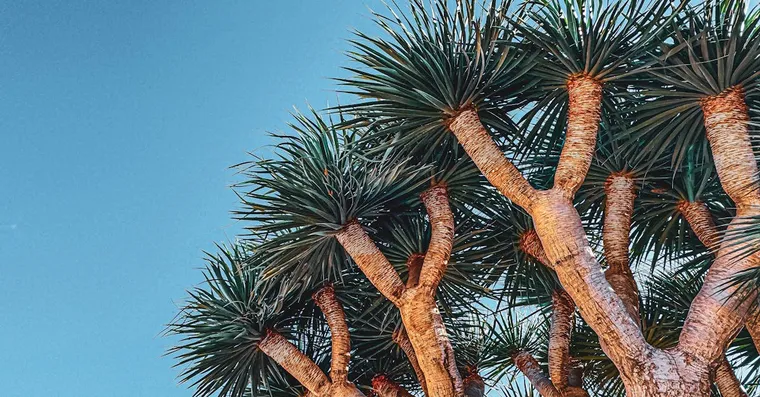
Ponytail Palm Care: The Drought-Tolerant Not-a-Palm
A care guide for the ponytail palm, covering the bright light and very infrequent watering this succulent-like plant needs, despite the palm name.
How to Grow Houseplants in Water, No Soil Needed
Which houseplants happily live in just water, how to keep them healthy long term, and the feeding and water changes that prevent rot.
Peperomia Care: A Guide to the Easy Radiator Plants
A care guide for peperomia, the compact semi-succulent houseplants, covering light, the watering habits that prevent rot, and why they stay small.
Not sure what plant you have? Identify it from a photo and we will point you at its care guide.
Frequently asked questions
How often should I water a yucca plant?
Only when the top half of the pot is bone dry, which usually means every two to three weeks in summer and once a month or less in winter. Push a finger deep into the soil or lift the pot, and if it still feels damp or heavy, wait. When you do water, soak the soil until it runs from the drainage holes, then tip away whatever collects in the saucer. Most winter yucca deaths are overwatering on a summer schedule.
Why are my yucca's lower leaves turning yellow?
Yellowing lower leaves on a plant you have been watering often point to root rot rather than thirst. Check the base of the trunk: a soft or spongy feel and a sour smell confirm it, and the damage usually reaches the trunk before the leaves show much. Root rot is the single thing most likely to kill a yucca, and it almost always starts with soil that stays wet.
How much light does a yucca plant need?
The brightest position in your home, ideally a south or west-facing window with a few hours of direct sun. A yucca survives moderate light but stretches, leans towards the glass and grows pale and floppy. If your brightest window still feels dim, a grow light closes the gap. This is not a plant for a dark corner, so choose a snake plant or ZZ plant if that is the spot you need to fill.
Are yucca plants safe around pets and children?
Not really, for two separate reasons. Yuccas are toxic to cats, dogs and horses if chewed, so they are the wrong pick for a home full of curious pets. The stiff leaves also end in genuinely sharp points that can scratch skin or catch an eye at face height, which matters most in doorways and hallways where people brush past. Trimming the worst tips with scissors is harmless to the plant.