Grow Lights for Houseplants: A Practical Buying Guide
How to choose and position a grow light for houseplants, covering brightness, color temperature, and how long to run it each day.
Some links in this guide go to Amazon. As an Amazon Associate we earn from qualifying purchases, at no extra cost to you. How this works.
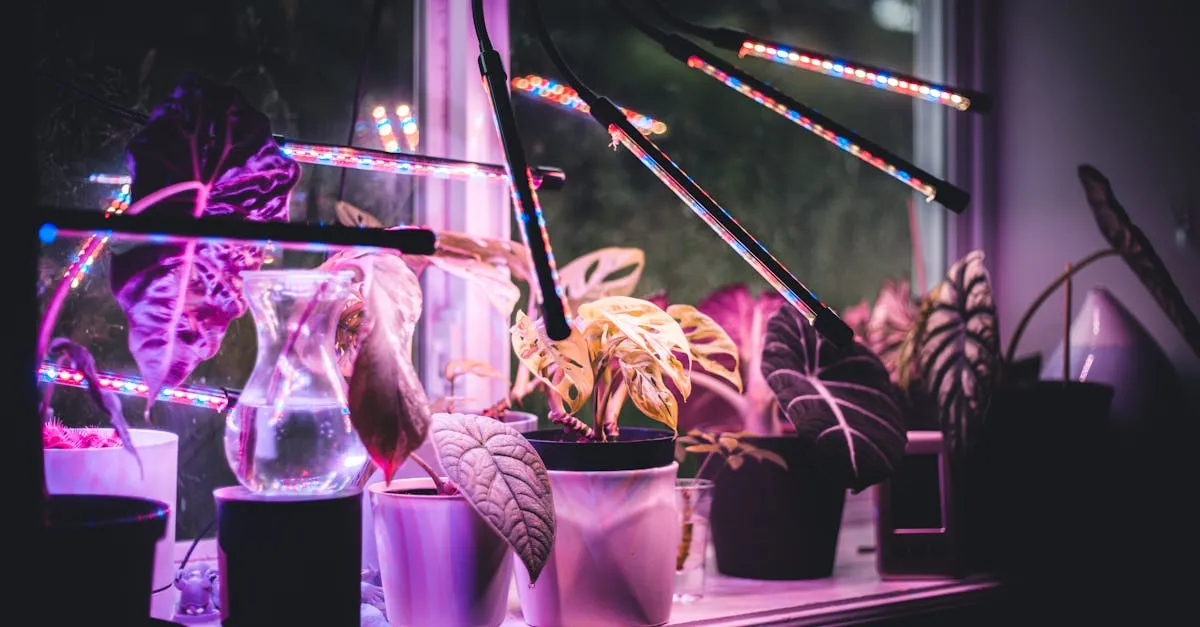
Most houseplants will grow under far less light than people assume, but a dim corner can still stall a plant for months. Grow lights for houseplants solve that, and the honest news is that you rarely need an expensive bulb labeled “for plants” to get good results. What matters is how much light reaches the leaves, not the marketing on the box.
What a plant actually uses light for
A plant uses light as fuel for photosynthesis. Two things decide whether your light is doing the job: intensity (how much light lands on the leaf) and duration (how many hours a day). Spectrum, the mix of colors, matters far less than sellers suggest. Plants use red and blue light most, but they also use the green and yellow in between, which is why ordinary white light works well. The pink and purple “blurple” lights you have seen are not more effective; they are just cheaper to build, and they make it hard to spot a sick leaf.
If you are unsure whether your plant needs help at all, start with how much light your houseplant actually needs before buying anything.
The specs that actually matter
When comparing grow lights for houseplants, ignore vague “equivalent wattage” claims and look for these, ranked by how much they affect your plant.
PPFD. This measures how much usable light reaches a surface, in micromoles per square meter per second. It is the single most useful number. Most foliage houseplants do well at 100 to 300 PPFD; flowering plants and high-light species want more. PPFD drops sharply with distance, so the figure only means something paired with a stated height.
Coverage area and distance. A light bright enough at 6 inches (15 cm) may be useless at 60. Check the coverage footprint at a realistic mounting height for your shelf or windowsill.
Color temperature and CRI. A full-spectrum white light around 4000K to 6500K grows plants well and lets you see true leaf color. A high CRI, above 90, is a bonus for spotting pests early.
Actual wattage. The real power draw, not a marketing “equivalent”. It tells you running cost and roughly how much light to expect.
A bright everyday LED you can see properly under will almost always beat a dim bulb sold for plants.
Why a regular LED often wins
Here is the claim worth challenging. Many bulbs marketed as grow lights are low-powered and rely on the word “plant” to justify the price. A standard daylight LED bulb or a bright LED shop light, with enough wattage and placed close to the foliage, delivers more usable light for less money. Plants do not read labels; they respond to photons. The exceptions are genuine high-output grow panels, which are worth it if you are running a dense plant shelf or starting seedlings, and any setup where you need a specific tidy form factor.
Matching the light to the plant
Low-light plants. A snake plant, ZZ plant, or pothos needs only a modest top-up. A single daylight bulb on a timer is plenty. See low-light houseplants that actually survive for species that barely need supplementing.
Medium-light foliage. Monsteras, philodendrons, and calatheas want a brighter panel within 12 to 18 inches (30 to 45 cm) of the canopy.
High-light and flowering plants. Succulents, citrus, and orchids need a strong panel kept close, or they stretch and stop flowering.
Setting it up correctly
Use a timer. Most houseplants want 10 to 14 hours of light a day, then darkness. Plants need the dark period; leaving a light on around the clock does not help and wastes power. A cheap plug-in timer removes the guesswork.
Get the distance right. Too far and the plant stretches towards the light, growing pale and leggy. Too close, especially with a high-output panel, can scorch leaves. Start at the manufacturer’s stated distance and watch the plant for two weeks.
Watch for stress. Pale new growth and long gaps between leaves mean too little light. Bleached or crisp patches mean too much. Light also drives water use, so a plant under a strong new light may dry out faster and is more prone to brown leaf tips if you do not adjust watering.
Get the distance right before you spend more
The mistake that wastes the most money is buying a brighter light to fix a plant that is simply too far from the one you already have, so move the bulb closer before you upgrade. Run whatever you choose on a timer for 10 to 14 hours, give it two weeks, and let the new growth tell you whether to lower the light or back it off. If you want a comparison of specific models before you buy, the best grow lights for indoor plants roundup covers tried options by price and output.
Where to go next
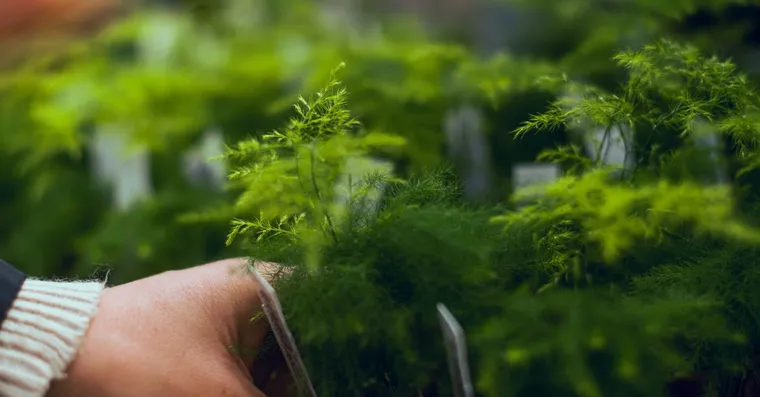
Asparagus Fern Care: Not a Fern, and It Has Thorns
Asparagus fern is not a fern, it is toxic to cats and dogs, and mature stems carry spines. Here is how to grow it and what to know first.
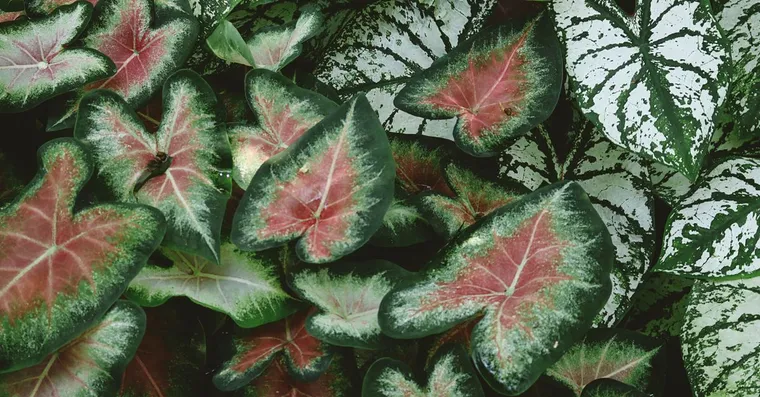
Caladium Care: Bright Leaves, Winter Dormancy, and Toxic Sap
Caladiums die back every winter and that is normal, not failure. Here is how to grow the tubers indoors and why they need care around pets.
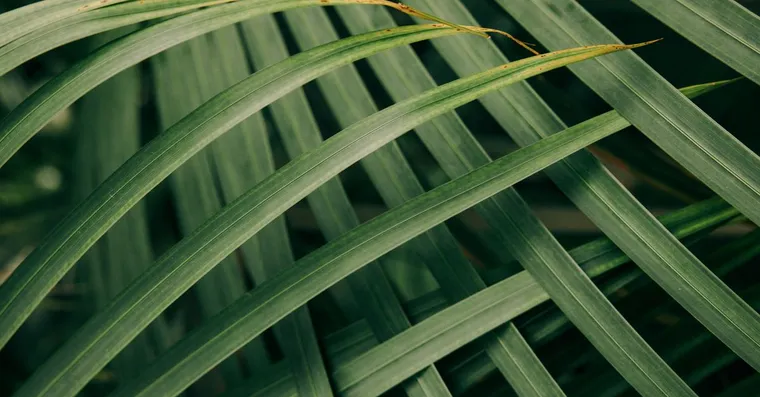
Majesty Palm Care: Light, Water, and Why It Browns
Majesty palms are sold as easy indoor palms and are not. They want more light, more water, and more humidity than a living room usually offers.
Not sure what plant you have? Identify it from a photo and we will point you at its care guide.