Brown Leaf Tips: Why They Happen and How to Stop Them
Brown, crispy leaf tips are one of the most common houseplant complaints. Here are the real causes and how to fix each one.
Some links in this guide go to Amazon. As an Amazon Associate we earn from qualifying purchases, at no extra cost to you. How this works.
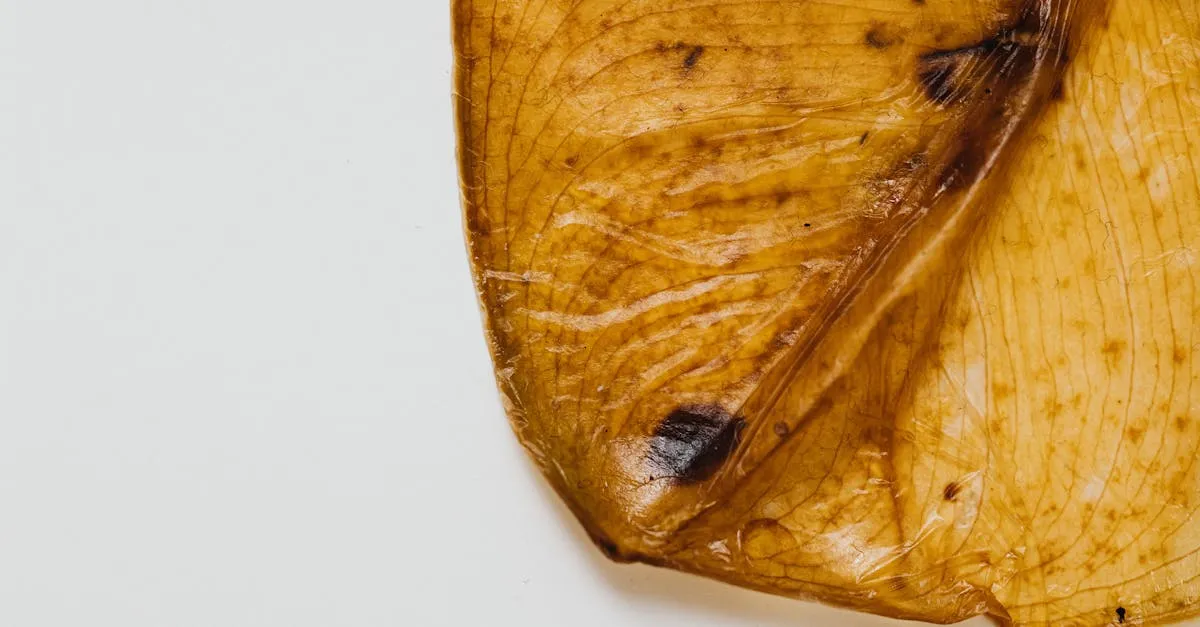
Brown, crispy leaf tips are extremely common and almost always point to a problem with water, humidity, or what is in your tap water. The browning itself is permanent on existing leaves, so the goal is not to rescue the brown tissue but to stop new leaves from doing the same.
Quick answer
If only the very tips are brown and crispy, the cause is nearly always a moisture problem: the plant is drying out too far between waterings, the air around it is too dry, or salts from tap water and fertilizer have built up in the soil. Start by checking how dry the soil gets between waterings, since inconsistent watering explains most cases. Brown tips on existing leaves will not turn green again, so judge any fix by the next leaves to unfurl, not by the damaged ones.
How to read the browning
The pattern tells you a lot before you change anything.
Dry, crispy, paper-thin tips point to a moisture or mineral problem: inconsistent watering, low humidity, or salt build-up. This is the common picture.
Soft, dark brown or black tips are a different story. Mushy browning, often spreading from the leaf edge inward, usually means overwatering rather than dryness. If the soil is staying wet, work through our yellow leaves diagnosis guide and check the roots.
A thin brown rim around an otherwise healthy leaf that does not spread is often just minor stress from a recent move or a draft, and not worth chasing.
The causes below are listed most common first.
1. Inconsistent watering
Letting a plant dry out too far between waterings is the top cause. When the roots cannot pull up enough moisture, the leaf tips, which are furthest from the water supply, dry out and die first. Plants that swing between bone dry and soaked are the worst affected, because each drought episode kills a little more tip tissue.
How to tell it is this: the soil is often very dry when you get round to watering, and browning appears across many leaves rather than one or two. Thirsty plants may also droop slightly between waterings.
Fix: water more consistently. Check the top 1 to 2 inches (3 to 5 cm) of soil with a finger every few days and water thoroughly before it becomes bone dry, letting it drain fully. The aim is steady moisture in the root zone, never a swing between drought and flood. A consistent routine matters more than the exact interval.
2. Low humidity
Many popular houseplants, including calatheas, ferns, and prayer plants, come from humid forests. Indoor air, especially with central heating or air-conditioning running, often drops below 30 percent relative humidity, and thin-leaved plants brown at the tips in response. Thicker-leaved plants such as snake plants and ZZ plants rarely show this.
How to tell it is this: browning is worst in winter or in a heated, drafty room, and your humidity-loving plants suffer while tougher ones nearby look fine.
Fix: group plants together so they share moisture, set pots on a tray of pebbles topped up with a little water, or run a humidifier near the most sensitive plants. Aim for 50 percent or higher for tropical species. Misting raises humidity for only a few minutes and is not a real solution. See our houseplant humidity guide for which plants actually need it.
3. Mineral build-up from tap water
Tap water often contains fluoride, chlorine, and dissolved salts. Over months these accumulate in the soil and scorch the leaf tips. Spider plants, dracaenas, calatheas, and prayer plants are especially sensitive, and fluoride damage is a classic cause of their browning tips.
How to tell it is this: browning is steady and gradual, your water is hard, and you may see a white or yellowish crust on the soil surface or around the pot rim.
Fix: every couple of months, flush the pot by running water slowly through the soil for a minute or two to wash built-up salts out of the drainage hole. For the most sensitive plants, water occasionally with filtered water or collected rainwater. Letting tap water stand overnight lets chlorine evaporate but does nothing about fluoride or salts.
4. Over-fertilizing
Too much fertilizer leaves a salt residue in the soil that draws moisture away from the roots and scorches them, and damaged roots then fail to supply the leaf tips. The effect looks much like mineral build-up because the mechanism is the same.
How to tell it is this: you feed often or at full strength, browning appeared within weeks of a feed, and there may be a fertilizer crust on the soil.
Fix: feed less. Most houseplants need feeding only through spring and summer, and at half the strength on the label. Flush the soil as described above to clear the excess, and skip feeding entirely until new growth appears clean. Our guide to fertilizing houseplants covers timing and dilution.
5. Physical damage
If only a few tips are brown and the plant is otherwise healthy, it may simply be brushing against a wall, a window pane, a curtain, or passing foot traffic. Cold glass in winter can also chill the tips that touch it.
How to tell it is this: the brown tips are all on one side or at one height, and the rest of the plant is unaffected.
Fix: move the plant so the leaves have clear room, and pull it back an inch or two (3 to 5 cm) from cold window glass.
Should you trim the brown tips?
You can, purely for appearance. Use clean scissors and cut following the natural taper of the leaf, leaving a thin sliver of brown rather than cutting into healthy green tissue, because cutting into green will create a fresh brown line. Trimming is cosmetic only. It does not fix the underlying cause, so address that first or the new growth will brown too.
When to worry and when it is normal
A few brown tips on a plant that is otherwise growing well is a cosmetic issue, not an emergency, and some sensitive species will always show a little tip browning indoors. Worry when browning spreads quickly, turns soft and dark, or is accompanied by yellowing, drooping, or wet soil, as that points to a root problem rather than a tip problem.
Judge your fix by the next leaf, not the last one
The single mistake to avoid is changing three things at once and then trimming the brown off in frustration, because you will never learn which fix actually worked. Settle your watering rhythm first, give it a few weeks, and watch the newest leaf to unfurl: if it comes through clean to the tip, the cause is solved and the older damaged leaves are just cosmetic history.
Where to go next
Why Are My Houseplant Leaves Drooping? How to Diagnose It
A diagnostic guide to drooping houseplant leaves, covering thirst, overwatering, light, temperature, and repotting shock, and how to tell them apart.
Yellow Leaves on Houseplants: The Complete Diagnosis Guide
Yellow leaves are a symptom, not a diagnosis. Check the soil first: many leaves yellowing with wet soil almost always points to overwatering or root rot.
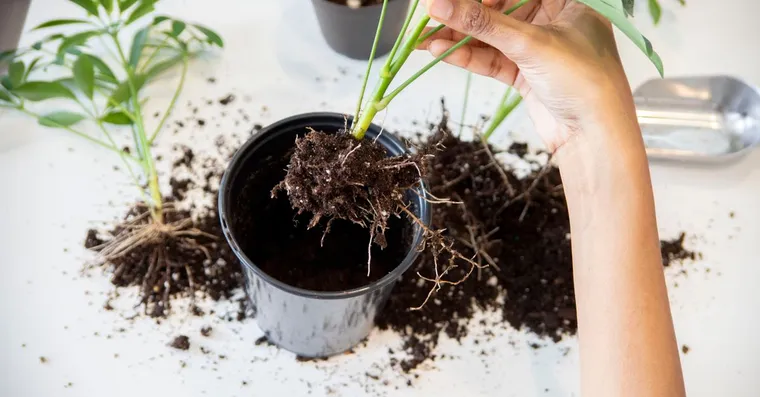
What Does Root Rot Look Like? Signs at Every Stage
Root rot is diagnosed at the roots, not the leaves. Here is what healthy and rotting roots look like, and which above-ground signs point to it.
Not sure what plant you have? Identify it from a photo and we will point you at its care guide.