Why Are My Snake Plant Leaves Curling? 6 Causes and Fixes
Snake plant leaves curl for a handful of predictable reasons. Here is how to identify which one is affecting your plant and fix it.
Some links in this guide go to Amazon. As an Amazon Associate we earn from qualifying purchases, at no extra cost to you. How this works.
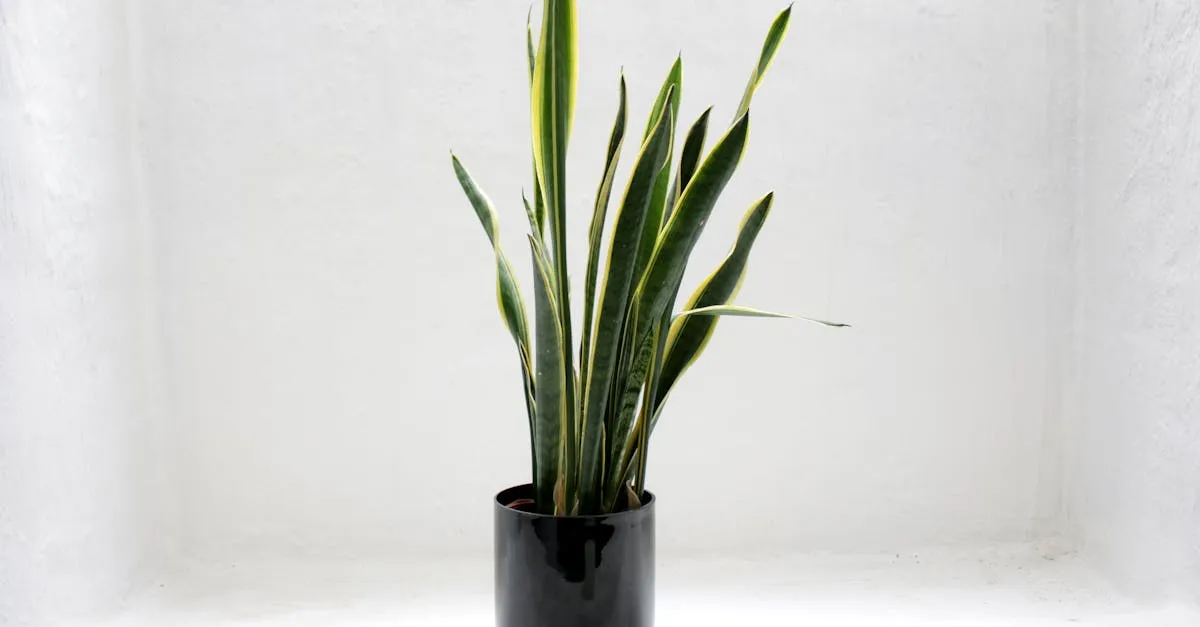
Curling leaves on a snake plant (Dracaena trifasciata) are a stress signal. The plant is telling you that one of its basic needs is out of range. The good news is that snake plants are slow to decline, so a curl caught early is almost always reversible.
Quick answer
The most common cause by far is underwatering: a snake plant left dry too long curls its leaves inward to limit water loss, and a thorough soak usually firms them up within a week. Before you reach for the watering can, though, push a finger into the soil. If it is dry a couple of inches (several cm) down, water. If it is wet, the cause is the opposite problem, root rot, and watering more will kill the plant. Pests, temperature, light, and a pot-bound root ball explain the rest. Work through the six causes below, listed from most to least common.
How to read the curl
The direction and feel of the curl narrows things down quickly. Leaves that curl inward along their length and feel soft, leathery, or slightly wrinkled point to a water problem, either too little or, with wet soil, too much. Leaves that are curling or distorting only on new growth, often with pale or silvery marks, point to pests or poor light. A snake plant that has simply leaned and bent under its own weight is not curling at all, and needs support or a brighter spot rather than a fix.
1. Underwatering
This is the leading cause. Snake plants store water in their thick leaves and tolerate drought well, but past a point the leaves lose rigidity and curl inward to reduce surface area and slow water loss.
How to confirm: the soil is bone dry a couple of inches (several cm) down, the leaves feel slightly soft or wrinkled rather than firm, and the plant has not been watered in many weeks.
Fix: water thoroughly until it drains from the bottom of the pot, then let the top 2 inches (5 cm) or so dry out completely before the next watering. Curled leaves should firm up within a week. Going forward, water roughly every two to four weeks in the growing season and less in winter, always by checking the soil rather than the calendar. See our snake plant care guide for a full watering routine.
2. Overwatering and root rot
Less common than underwatering, but far more serious. Constantly wet soil fills the air pockets the roots need, the roots suffocate and rot, and a plant with damaged roots cannot move water to its leaves, so they curl despite the soil being wet.
How to confirm: the soil stays wet for many days, the base of the leaves feels soft or mushy, the leaves may yellow, and there may be a sour smell from the soil.
Fix: remove the plant from its pot, cut away any brown, soft, or smelly roots back to firm tissue, and repot into fresh, fast-draining soil in a pot with a drainage hole. Hold off watering for about two weeks. Our guide to saving an overwatered plant covers the full rescue.
3. Thrips
Thrips are tiny insects that pierce the leaf surface and drain its contents, which causes curling along with silvery or pale stippled streaks.
How to confirm: look closely, ideally with a hand lens, for slender pale or dark insects, often tucked along the leaf seams, and for stippled silver patches and tiny black specks of excrement.
Fix: wipe the leaves down on both sides, then treat with insecticidal soap or neem oil, repeating every seven days for three to four weeks to break the breeding cycle. Isolate the plant from others while you treat it. Our thrips guide explains the full treatment.
4. Temperature stress
Snake plants are happiest between roughly 65 and 80°F (18 and 27°C). Cold drafts from a window or door, or dry heat from a radiator or vent, can both trigger curling, and they are sensitive to cold below about 50°F (10°C).
How to confirm: the plant sits near an exterior door, a single-glazed window, an air-conditioning vent, or a heat source, and the curling worsened with a change of season.
Fix: move the plant away from drafts and heat sources to a spot with a stable temperature, and keep it clear of cold glass in winter.
5. Too little light
In deep shade the plant cannot photosynthesize enough to support firm, upright growth, and weak new leaves may emerge curled, narrow, or distorted.
How to confirm: the plant sits well back from any window or in a dim corner, new growth is thin and pale, and older leaves may lean or flop.
Fix: move it to bright indirect light. A spot within 3 feet (1 m) or two of a window is ideal. Snake plants tolerate low light but do not thrive in it, and brighter conditions produce sturdier leaves.
6. Pot-bound roots
A snake plant that has not been repotted in years can fill its pot so completely with roots and rhizomes that water runs straight through without soaking in, leaving the plant chronically underwatered even though you are watering it.
How to confirm: roots are circling visibly at the surface or escaping the drainage hole, the pot may bulge or crack, and water drains away almost instantly when you water.
Fix: repot into a container one size larger in spring, using fresh, free-draining mix. Snake plants flower and grow well slightly snug, so there is no need to jump up several sizes.
When to worry and when it is normal
A slight, even curl on a plant you know is overdue for water is routine and corrects itself once you water. Worry when curling pairs with wet soil and soft leaf bases, when you find pests, or when the curl keeps worsening after you have addressed watering, as that means the real cause is still unidentified.
Diagnose before you water
The one move that turns a recoverable plant into a dead one is reaching for the watering can before checking the soil, so always confirm whether it is bone dry or still wet first. Once you have made the right change, give it a week or two and watch the newest growth, since that is where a recovering snake plant shows it is back on track. If the curl keeps spreading after you have corrected watering, light, and temperature, look again for thrips along the leaf seams before assuming you have the cause pinned down.
Where to go next
Why Are My Houseplant Leaves Curling? Causes and Fixes
A diagnostic guide to curling houseplant leaves, covering underwatering, heat and light stress, pests, and root problems by how the leaves curl.
Fungus Gnat Larvae: What They Look Like and How to Kill Them
Fungus gnat larvae live in the top few centimetres of soil and eat roots. Here is how to confirm you have them and the treatments that actually clear them.
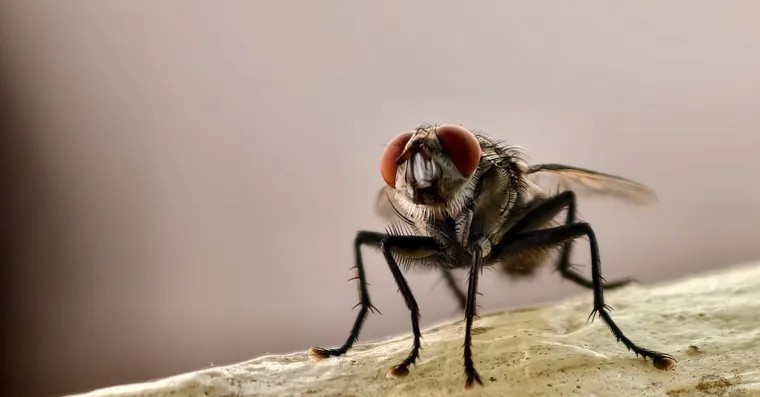
Fungus Gnats vs Fruit Flies: How to Tell Which You Have
Fungus gnats come from your plant pots, fruit flies come from the kitchen. They need completely different treatments, so identify before you treat.
Not sure what plant you have? Identify it from a photo and we will point you at its care guide.
Frequently asked questions
Why are my snake plant leaves curling?
Underwatering is the leading cause by far: left dry too long, the leaves curl inward to cut surface area and slow water loss. Overwatering and root rot, thrips, temperature stress, too little light and a pot-bound root ball explain the rest, roughly in that order of frequency. Push a finger into the soil before you decide, because the two water problems look similar and their fixes are opposites.
Should I water a snake plant with curling leaves?
Not until you have checked the soil. If it is bone dry a couple of inches (several cm) down, water thoroughly until it drains from the bottom, and the leaves should firm up within a week. If the soil is wet, the cause is root rot rather than thirst, and watering again will kill the plant. Reaching for the watering can before checking is the one move that turns a recoverable snake plant into a dead one.
How do I tell thrips from a watering problem on a snake plant?
Feel the leaf and look at where the damage sits. A watering problem curls whole leaves inward and leaves them soft, leathery or slightly wrinkled. Thrips curl the leaf alongside silvery or pale stippled streaks, and the damage tends to show on new growth. Confirm with a hand lens: slender pale or dark insects tucked along the leaf seams, stippled silver patches, and tiny black specks of excrement.
How long do curled snake plant leaves take to recover?
Underwatered leaves usually firm up within a week of a thorough soak. A plant repotted out of root rot needs about two weeks without water before it turns around, and thrips take three to four weeks of treatment at seven day intervals to break the breeding cycle. Whatever the cause, watch the newest growth rather than the old leaves, because that is where a recovering snake plant shows it is back on track.