Stromanthe Triostar Care: What This Diva Actually Needs
Stromanthe Triostar is one of the hardest common shop plants to keep happy. What actually causes the browning, and the water, light and humidity it needs.
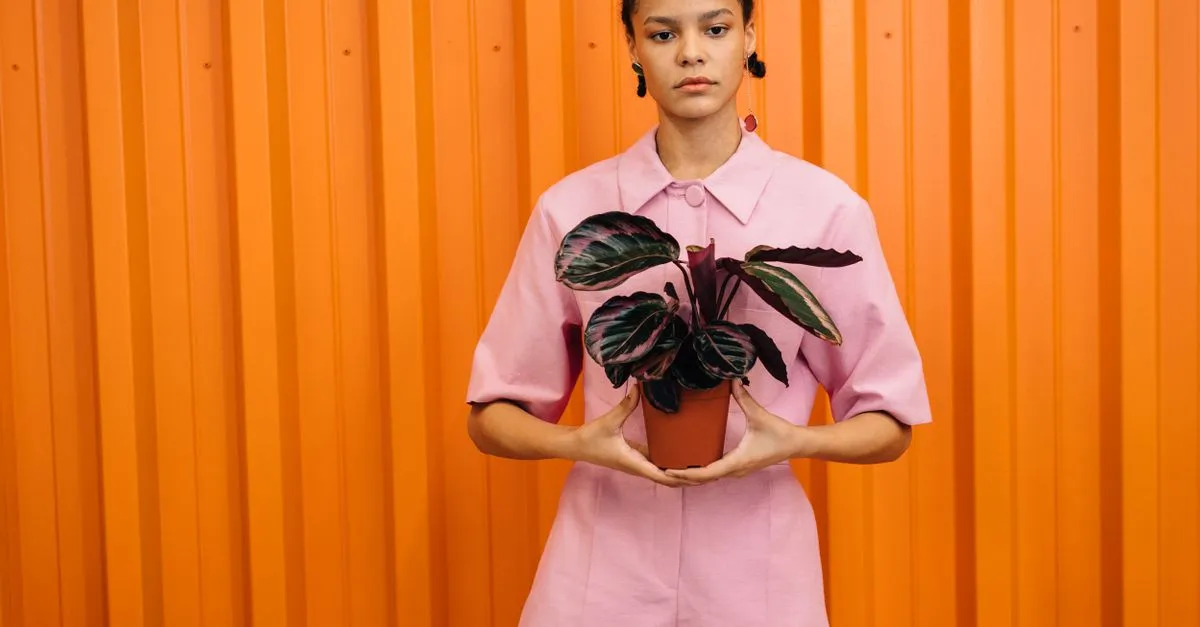
Stromanthe triostar care comes down to three things you probably cannot see: the quality of your water, the humidity around the leaves, and the light landing on that pink variegation. If a new plant browns at the edges within two weeks of coming home, that is almost never a watering mistake on your part. It is usually the plant reacting to a tap and an indoor climate that suit most houseplants but not this one.
Quick answer
Stromanthe Triostar care comes down to three things, ranked by how much damage they do when wrong. Water quality is the single biggest cause of crispy brown edges: fluoride and chlorine in most tap water build up in the leaf margins and scorch them, so use rainwater, distilled or filtered water, or at the very least leave tap water standing overnight. Humidity should be 50 percent or more, raised with a small humidifier or by grouping plants, since misting lasts only minutes and can encourage fungal spots. Light should be bright and indirect, because direct sun bleaches the pink variegation while deep shade fades the color and makes the plant leggy. Browning in the first couple of weeks is usually the plant adjusting to your home rather than a watering mistake on your part.
Why the Triostar has a difficult reputation
This is not a beginner plant, and it is worth being honest about that before you buy. Stromanthe sanguinea ‘Triostar’ is a rainforest-floor plant used to still, humid, filtered conditions, and an ordinary centrally heated room is close to the opposite of that. The dramatic pink, cream and green leaves are also thin, so they show stress faster than a thick-leaved snake plant or ZZ would. Most of the browning people panic about is the plant adjusting to your home, not dying. Give it steady conditions and it settles, but it will never be a plant you can ignore.
What stromanthe triostar care comes down to: water, humidity, light
These three levers matter far more than fertilizer, pot choice or anything else, and they are ranked here by how much damage they do when wrong.
Water quality. This is the single biggest cause of crispy brown edges. The fluoride and chlorine in most tap water build up in the leaf margins and scorch them, and a Triostar is unusually sensitive to it. Use rainwater, distilled or filtered water, or at the very least leave tap water to stand overnight so some chlorine escapes. If you fix only one thing, fix this. Our guide to tap water for houseplants explains what is actually in the glass.
A Triostar does not forgive tap water the way a pothos does; the brown edges are its way of telling you what is in it.
Humidity. Aim for 50 percent or more. Below that, new leaves struggle to open and the edges dry out. The reliable way to raise humidity is a small humidifier running near the plant, or grouping it with other plants so they share moisture. Misting does neither for more than a few minutes and can encourage fungal spots, so treat it as folklore rather than a method. See houseplant humidity for what genuinely moves the needle.
Light. Give it bright, indirect light. Direct sun bleaches the pink variegation and scorches the leaves, while deep shade fades the color and makes the plant leggy. An east-facing window, or a spot a few feet back from a brighter one, is close to ideal.
Reading the symptoms
Once the basics are in place, the leaves tell you what is still wrong. Work through these in order of how often they turn up.
Leaves that never unfurl almost always mean the air is too dry. New growth needs moisture to open cleanly, and below 50 percent it stays furled or tears as it opens.
Brown, crisping edges point back to water quality first, then dry air. If you have already switched off the tap water and the edges keep browning, raise the humidity next.
Yellowing leaves usually mean overwatering, especially in a dense, water-retaining mix. The roots want moisture but also air, so a chunky, free-draining mix and letting the top inch or two (3 to 5 cm) dry between waterings fixes most yellowing.
A dramatic plant that is genuinely pet-safe
Here is the reward for the fuss. Stromanthe belongs to the prayer plant family (Marantaceae), which is regarded as non-toxic to cats and dogs. The ASPCA does not list stromanthe individually, but its close relatives maranta and calathea are both on the ASPCA non-toxic list, so it sits among the safer choices for a home with animals. That makes it one of very few plants this striking that you can keep around pets. Many of the bold-leaved alternatives people reach for, such as dieffenbachia or most aroids, are toxic. If a pet-safe statement plant is what you are after, this is one of the best-looking options going, provided you can meet its needs.
What to watch in the first month
Get water quality and humidity right and most of the drama disappears, because those two fix the majority of Triostar complaints on their own. Expect some settling-in browning at first and do not overreact to it. Trim badly browned leaves back at the base, keep conditions steady, and watch the newest leaves: once they open cleanly and hold their color, you know the plant has found its feet.
Where to go next
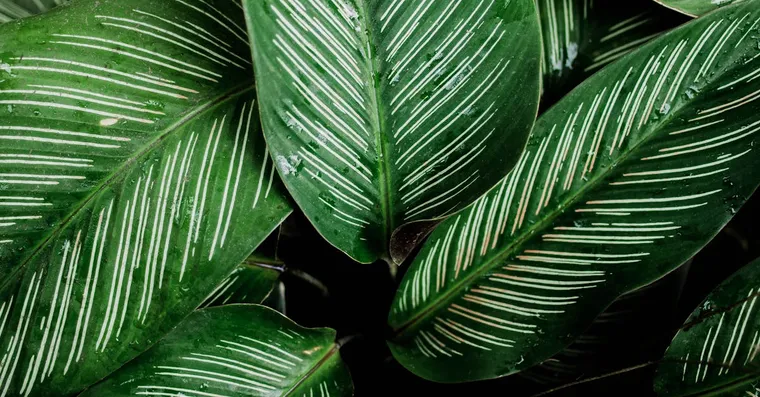
Calathea Care: Why This Prayer Plant Is Worth the Fuss
A practical care guide for calathea, covering its real demands for humidity, distilled water, and indirect light, and whether the plant suits your home.
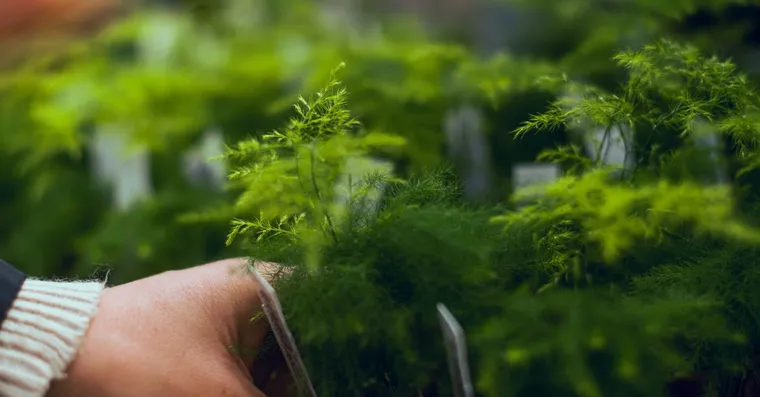
Asparagus Fern Care: Not a Fern, and It Has Thorns
Asparagus fern is not a fern, it is toxic to cats and dogs, and mature stems carry spines. Here is how to grow it and what to know first.
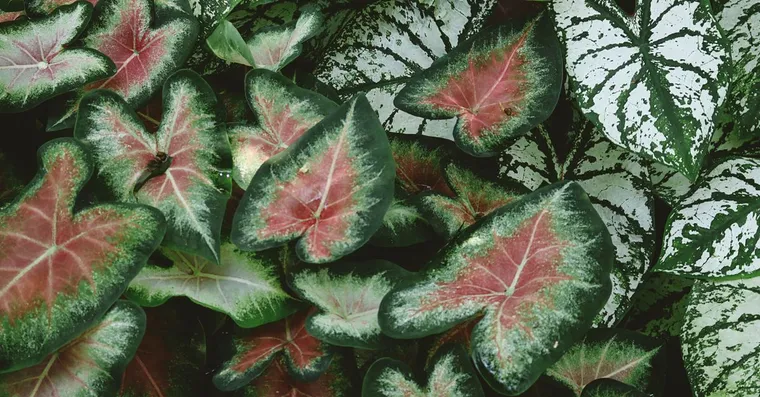
Caladium Care: Bright Leaves, Winter Dormancy, and Toxic Sap
Caladiums die back every winter and that is normal, not failure. Here is how to grow the tubers indoors and why they need care around pets.
Not sure what plant you have? Identify it from a photo and we will point you at its care guide.
Sources
- ASPCA Animal Poison Control lists Prayer Plant (Maranta, family Marantaceae) as Non-Toxic to Dogs, Non-Toxic to Cats, Non-Toxic to Horses. Stromanthe belongs to the same family but is not listed individually by the ASPCA.
- ASPCA Animal Poison Control lists Calathea (Calathea spp., family Marantaceae) as Non-Toxic to Dogs, Non-Toxic to Cats, Non-Toxic to Horses.