Is Tap Water Safe for Houseplants? Chlorine, Fluoride, and Fixes
Most houseplants tolerate tap water fine, but a few sensitive plants react to chlorine and fluoride; here is how to tell and what to do.
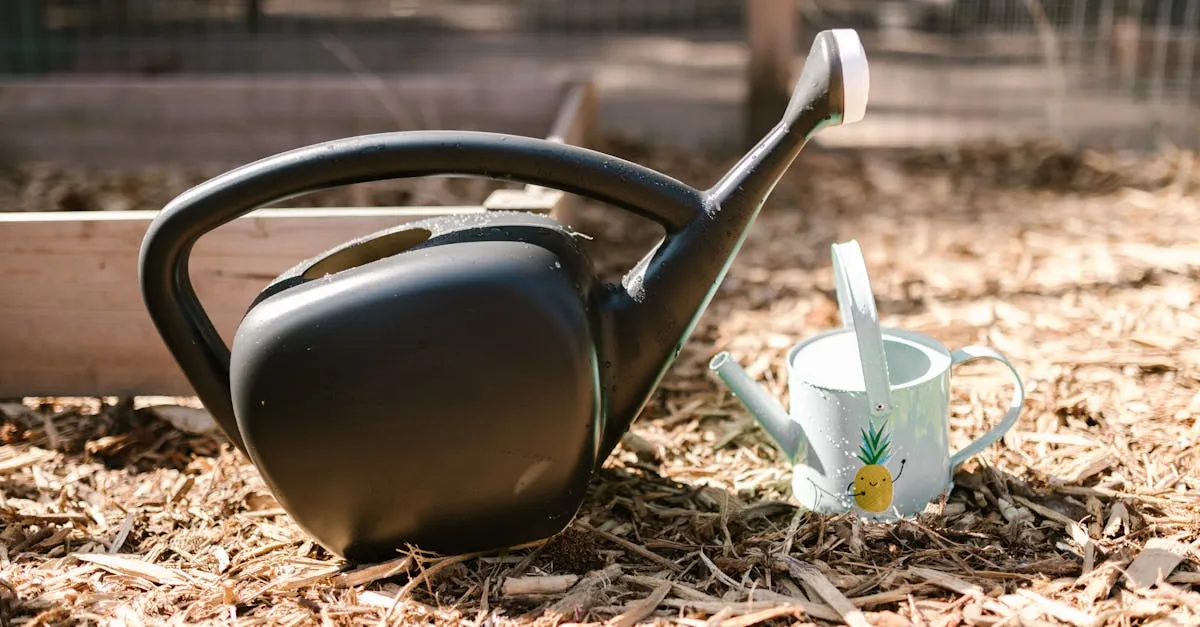
Most houseplants drink ordinary tap water their whole lives without a problem, and the worry over chlorine and fluoride is usually bigger than the real risk. The honest answer to whether tap water is safe for houseplants is yes, for the vast majority of plants in most homes. A small handful of sensitive species are the exception, and those are the ones worth a little extra care.
When tap water actually causes damage
Tap water carries two additives that can affect plants: chlorine (or chloramine) added to kill bacteria, and fluoride added in some regions for dental health. In the concentrations used for drinking water, neither harms tough, common houseplants like pothos, snake plants, or ZZ plants. The trouble shows up only in a few species that store these compounds in their leaf tissue faster than they can cope.
The classic symptom is brown, scorched leaf tips and margins, sometimes with a thin yellow band just inside the dead area. This is easy to confuse with underwatering or low humidity, so look at which plant is affected before blaming the water.
Which plants are sensitive to fluoride and chlorine
Rank your worry by species, not by your tap.
- Dracaena. The most fluoride-sensitive houseplant group, including corn plants and the thin-leaved varieties. UK and US tap water is fluoridated at roughly 0.7 to 1.0 mg per liter, enough to cause dead tips and brown blotches in dracaena at levels well below what you would taste. See the full dracaena care guide for the wider picture.
- Calathea and maranta (prayer plants). Sensitive to both chlorine and fluoride, and to mineral build-up generally. Their thin, showy leaves brown at the edges quickly. Calathea care covers their other demands too.
- Spider plants. Prone to brown tips from fluoride and from salt accumulation. They are otherwise very forgiving, so the tips are usually the only sign. Spider plant care has the rest.
- Other thin-leaved tropicals. Some palms, ti plants, and certain ferns react similarly, though less reliably.
If you do not own any of these, you can stop reading and keep using the tap.
Chlorine vs chloramine: the sit-out trick only works for one
Chlorine and chloramine both disinfect tap water, but they behave completely differently when you leave water in an open jug.
Chlorine is a volatile gas. Its rough half-life in still water at room temperature is 2 to 3 hours, so leaving water uncovered for 24 hours clears it entirely for free. This is why the “let it stand overnight” advice appears so often.
Chloramine does not off-gas. It is bound to nitrogen, which makes it more stable in the distribution system. Standing water for a day or a week makes no difference. Removing chloramine requires activated-carbon filtration or a Campden tablet (potassium metabisulphite, used in home brewing). Many UK and US water utilities have switched to chloramine precisely because it persists longer in pipes, so look up your supplier’s annual water quality report before assuming the jug trick is enough. Sitting water out when your utility uses chloramine is wasted effort.
Standing water removes chlorine for free, but it does nothing for fluoride or chloramine.
Hard water and limescale
Hard water is water with a high dissolved mineral content, mainly calcium and magnesium carbonate. The threshold where it starts to matter for plants is roughly 200 ppm (200 mg per liter as calcium carbonate). London’s mains supply averages around 300 ppm; parts of Scotland run nearer 50 ppm; much of the US Midwest sits above 250 ppm.
What hard water does: it leaves white powdery deposits on the soil surface and around terracotta rims, and repeated watering can slowly raise the soil pH. A rising pH locks out iron, which shows as yellowing between leaf veins in young growth. If you see white crust rather than brown tips, the issue is mineral build-up, not fluoride. Route yourself to white crust on houseplant soil for the fix.
What hard water does not do: it does not cause the dry, scorched brown tips you see with fluoride sensitivity. If your plant has crispy brown tips and you live in a hard-water area, fluoride or underwatering is still the more likely cause.
For most common houseplants, including pothos, snake plants, and ZZ, hard water causes no real harm. For dracaena and calathea in hard-water areas, switching to rainwater addresses both the mineral content and the chloramine problem simultaneously.
Softened water: skip it for plants
Ion-exchange water softeners remove calcium and magnesium by swapping them for sodium ions. That is useful for appliances and skin, but sodium accumulates in potting compost and causes salt-type marginal browning that looks similar to fluoride damage. Over time the sodium concentration rises to levels that stress roots. This is a different mechanism from hardness and a distinct problem.
If your home has a water softener, use the unsoftened outdoor tap or the bypass tap plumbed before the softener for all plant watering. Rainwater or distilled water are also fine. Never water houseplants from the softened supply.
Distilled and reverse-osmosis water: when it is worth it
Reverse-osmosis and distilled water remove fluoride, chloramine, and dissolved minerals in one step. For most houseplants, this is overkill. The cases where it is genuinely worth the cost or effort are:
- Carnivorous plants (sundews, Venus flytraps, pitcher plants) need water under roughly 50 ppm total dissolved solids. Most tap water is 150 to 400 ppm, which kills them within weeks. RO or distilled water is not optional here.
- Dracaena and calathea in hard or chloramine areas where collecting rainwater is impractical. RO removes both problems cleanly.
For pothos, snake plants, ZZ plants, and most succulents, spending on RO or distilled water solves a problem that was never there.
Decision ladder by tap type
Check your water supplier’s annual quality report to find out which disinfectant they use and the hardness level. Then follow the row that matches your supply.
- Soft supply, chlorine only: sit water out for 24 hours in an open container, then use it directly. No equipment needed.
- Soft supply, chloramine: sitting water out does nothing. Use an activated-carbon filter or collect rainwater for dracaena, calathea, and spider plants; tough plants (pothos, ZZ) are fine on the tap as-is.
- Hard supply, chlorine only: fine for tough plants without any treatment. For dracaena and calathea, use rainwater or a carbon filter to avoid both the chlorine and the mineral load.
- Hard supply, chloramine: rainwater is the best free fix; it is soft and chloramine-free. If you keep carnivorous plants, RO is the practical choice. Tough plants need no special treatment.
- Softened supply: use the unsoftened bypass tap or outdoor tap. Never use the softened supply for plants.
How to collect and use rainwater
Rainwater is naturally soft, contains no fluoride, and is chloramine-free, which makes it the ideal free fix for sensitive species. Collect it from a clean water butt or barrel placed under a downpipe. Avoid collecting water straight off a dirty roof or through a filter coated in algae; give the butt a rinse a couple of times a year. Collected rainwater should be used within a week or two in warm weather before it starts to go stagnant. If you have more than you need, share it with outdoor pots.
For how to water houseplants and whether misting helps, those guides cover the when and how; this article handles only water chemistry.
The honest verdict on filtered water
Filtered or bottled water for your whole collection is almost always a waste of money. The plants that benefit are few, and for those, rainwater costs nothing. Spending on a filter to water a snake plant or a pothos solves a problem that was never there. Match the effort to the plant: tap for the tough majority, rainwater for the sensitive few.
Start with your supplier’s report, not a filter jug
Before you change anything, look up your water company’s annual quality report and note two things: whether they dose with chlorine or chloramine, and your local hardness in ppm. That single check tells you whether the free overnight-standing trick will work or whether your sensitive plants need rainwater, and it stops you spending money on filtration that a pothos was never going to notice. The common mistake is leaving a jug out overnight and assuming the job is done, when a chloramine supply means that water is exactly as it was when it left the tap.
Where to go next
Why Is My Monstera Turning Yellow? Causes and Fixes
Yellow leaves on a monstera usually mean a watering problem, but light, feeding, and age all matter; here is how to tell them apart.
Guttation: Why Your Houseplant Drips Water at Night
Those water drops on leaf tips in the morning are guttation, not sweat or dew. What causes it, when it is harmless, and when it hints at overwatering.
Hydrophobic Potting Soil: Why Water Runs Straight Through the Pot
When water races out the drainage holes in seconds and the plant still droops, the soil has gone hydrophobic. How to rewet it properly and stop it recurring.
Not sure what plant you have? Identify it from a photo and we will point you at its care guide.
Frequently asked questions
Does leaving tap water out overnight remove chlorine?
Yes, for chlorine only. Chlorine is a volatile gas with a rough half-life of 2 to 3 hours in still water at room temperature, so 24 hours is more than enough to clear it. Chloramine, which many UK and US utilities now use instead, does not off-gas and is not removed by standing water.
Can I use softened water for houseplants?
No. Ion-exchange water softeners swap calcium and magnesium for sodium, which accumulates in the soil and causes salt-type marginal leaf browning. Use the unsoftened outdoor or bypass tap, or collect rainwater instead.
What plants cannot tolerate tap water?
Carnivorous plants (sundews, Venus flytraps, pitcher plants) need water under roughly 50 ppm total dissolved solids and will die on most tap water. Dracaena, calathea, and spider plants are sensitive to fluoride, which UK and US tap water contains at around 0.7 to 1.0 mg per liter, enough to cause brown tips in dracaena specifically.
Is hard water bad for houseplants?
Rarely serious. Hard water above roughly 200 ppm (London averages around 300 ppm) leaves white deposits on soil and terracotta rims and can slowly raise soil pH, reducing iron uptake over time. It does not cause the brown tips that fluoride does. For white crust on the soil surface, see the guide on white crust on houseplant soil.
Sources
- US Centers for Disease Control and Prevention: the recommended (optimal) fluoride concentration in drinking water is 0.7 milligrams per liter.
- UK Drinking Water Inspectorate: water fluoridation doses supplies up to 1 milligram per litre, with a maximum permitted value of 1.5 mg/l.
- Michigan State University Extension: monocots including spider plant and dracaena are among the plants most susceptible to fluoride toxicity, which shows as necrotic leaf tips and margins.
- University of Nebraska-Lincoln Extension: ion-exchange softeners replace calcium and magnesium with sodium, and softened water is not recommended for repeated use on plants because of that sodium content.
- US Environmental Protection Agency: chloramines provide longer-lasting disinfection as water moves through pipes, and some water systems switched to them to meet disinfection byproduct requirements.