Dracaena Care: An Easy Plant That Hates Tap Water
A care guide for dracaena covering its light and watering needs, plus why fluoride and salts in tap water cause brown leaf tips.
Some links in this guide go to Amazon. As an Amazon Associate we earn from qualifying purchases, at no extra cost to you. How this works.
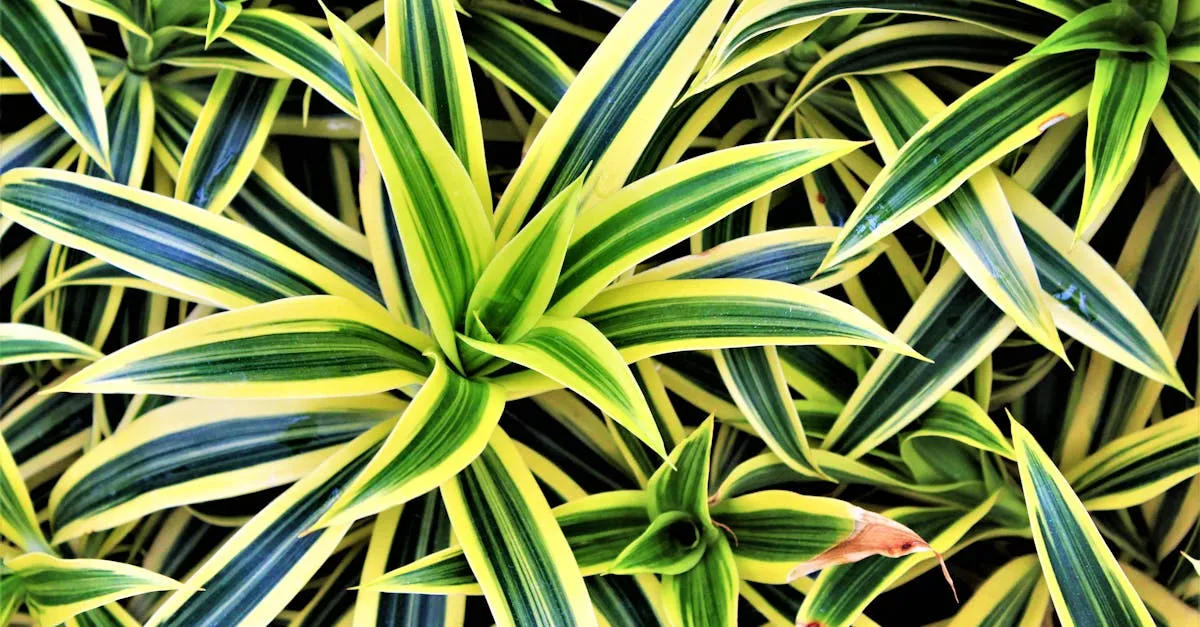
Dracaena is one of the easiest houseplants you can own, which makes its single weakness genuinely surprising: it is unusually sensitive to the fluoride and salts found in ordinary tap water. If you have searched for dracaena care because the leaf tips keep turning brown and crispy, that water sensitivity is almost certainly the cause. The good news is that everything else about this plant is forgiving.
Which dracaena do you have
Most of the following are sold under the same “dracaena” label, but one care difference matters more than the rest.
| Common name | Species | Key leaf feature | Fluoride sensitivity |
|---|---|---|---|
| Corn plant | D. fragrans | Wide arching leaves, cream or yellow center stripe | High |
| Dragon tree | D. marginata | Thin red-edged strap leaves on tall bare canes | High |
| Song of India | D. reflexa | Short spirally-arranged leaves, yellow-cream margins | Moderate |
| Snake plant | D. trifasciata | Upright stiff leaves, now officially Dracaena | Low |
D. fragrans and D. marginata are the most fluoride-sensitive varieties; they will show brown tips faster on a fluoridated supply. D. trifasciata is far more drought-tolerant and can go 4 weeks or more without water without damage, which puts it in a different watering rhythm entirely.
Lucky bamboo is technically D. sanderiana but is grown in water with completely different care. See the lucky bamboo care guide rather than applying this guide to it.
What makes dracaena easy
They tolerate low light, irregular watering, and average room humidity without complaint. They grow slowly, so they hold their shape for years and rarely need repotting. For a beginner, the relaxed temperament of most dracaenas makes them one of the most rewarding plants to keep. If you want color alongside foliage, anthurium is a similarly low-fuss plant that produces long-lasting waxy blooms indoors and shares dracaena’s preference for indirect light.
The tap water problem and brown leaf tips
Brown, crispy leaf tips are usually a build-up of fluoride and soluble salts, not a sign you are doing something dramatically wrong. Fluoride is added to many municipal water supplies, and dracaena absorbs and translocates it to the leaf margins, where it scorches the tissue irreversibly. Chlorine, hard-water minerals, and excess fertilizer salts add to the damage.
The fixes, from most to least effective:
- Switch your water. Use rainwater, distilled water, or filtered water. Letting tap water sit overnight removes some chlorine but does nothing for fluoride, so this old advice only half works.
- Flush the soil on a schedule. See the flush protocol below.
- Fertilize lightly. Feed at half the recommended strength, and skip cheap fertilizers that contain superphosphate, a known fluoride source.
- Avoid perlite-heavy mixes if you can. Perlite can release small amounts of fluoride, though this matters far less than your water source.
Existing brown tips will not turn green again. Trim them off with clean scissors, following the natural leaf shape, and judge your progress by whether new growth comes in clean. For a fuller breakdown of every cause, see why brown leaf tips happen.
The flush protocol
Every 8 to 12 weeks on a fluoridated supply, run roughly three times the pot volume of water through in one session. A 2 quarts (2 L) pot gets about 1.5 gallons (6 L) poured through slowly so it drains fully rather than sheeting over dry soil. This leaches accumulated salts before they reach damaging concentrations.
Distilled water removes the need to flush entirely. A Brita-type filter reduces fluoride but does not eliminate it, so you still flush, just less urgently. For the chemistry behind why standing water is not enough, see tap water for houseplants.
How to read the watering signal
Rather than watering on a fixed schedule, lift the pot. A dry plant feels noticeably lighter than one that has just been watered. As a calibration point: D. fragrans in a 8 inches (20 cm) pot typically needs water every 10 to 14 days in summer and every 3 to 4 weeks in winter under average indoor conditions. Use that as a starting point, not a rule.
Let the top 2 inches (5 cm) of soil dry out before watering again. Dracaena is far more tolerant of slight underwatering than of soggy roots. When you do water, do it thoroughly and empty the saucer afterwards.
Light: the real lower limit
Dracaena does best in bright, indirect light, where it grows steadily and keeps strong leaf color. It will hold in lower light too, but there is a floor worth knowing.
D. fragrans stops growing below roughly 50 lux (a dim corner 10 feet / 3 m from a north-facing window) and begins to yellow from the bottom over months. D. marginata needs around 100 lux to hold its red leaf color. Keep it away from harsh direct sun, which bleaches the foliage.
For other plants that genuinely tolerate low light, see best low-light houseplants.
Dracaena forgives almost everything except wet feet and fluoride, so your watering can matters more than your watering schedule.
Temperature
Normal room temperatures between 65 and 75°F (18 and 24°C) suit it well. Keep it away from cold drafts and heating vents, and never let it sit below about 55°F (12°C).
Propagating from cane cuttings
D. fragrans and D. marginata root readily from bare stem cuttings with no special equipment. Cut a section at least 4 inches (10 cm) long that includes at least one node. For a leggy bare-caned D. marginata, Lucy Liu, at her London nursery, recommends cutting where the bark still feels firm rather than soft or spent, and watching for small swollen green bumps to push through just below the cut in 4 to 6 weeks as the first sign of new growth. Lucy has also rooted bare cane sections as short as 4 inches (10 cm) upright in warm damp perlite, with shoots appearing in about two months at a steady warm temperature. You can equally lay a cutting horizontal in moist compost. In winter, expect the process to run longer. No rooting hormone is needed. For a step-by-step overview of propagation methods across plant types, see how to propagate houseplants.
Common problems beyond brown tips
Yellowing lower leaves. A few yellow leaves near the base is normal aging. Widespread yellowing usually points to overwatering, which can lead to root rot if the soil stays wet for weeks. Lucy uses the symptom pattern as a quick split diagnosis: brown confined only to the very tips points to mineral burn from tap water or dry air, while a uniform pale yellowing spreading across the whole plant is more likely to mean the roots are sitting in stagnant, waterlogged soil.
Soft, mushy stems. This is advanced overwatering. Cut back to firm tissue and read how to save an overwatered plant.
Pale, drooping leaves. Usually too little light or cold exposure. Move it somewhere brighter and warmer.
Pests. Dracaena is fairly pest-resistant, but spider mites can appear in dry indoor air, showing as fine speckling and webbing.
One more thing worth knowing: dracaena is toxic to cats and dogs if chewed. If you have pets, check the pet-safe houseplant guide before deciding where to place it.
Get the water sorted first
The single mistake worth avoiding is treating brown tips as a watering-frequency problem and reaching for more water, when the real culprit is what comes out of the tap. Sort your water source first, whether that means collecting rainwater or keeping a bottle of distilled by the plant, and put a flush in the diary every 8 to 12 weeks if you stay on a fluoridated supply. Once the water is right, a dracaena will give you years of steady growth on very little else, so judge progress by whether the next flush of leaves comes in clean rather than by the tips you have already trimmed.
Where to go next
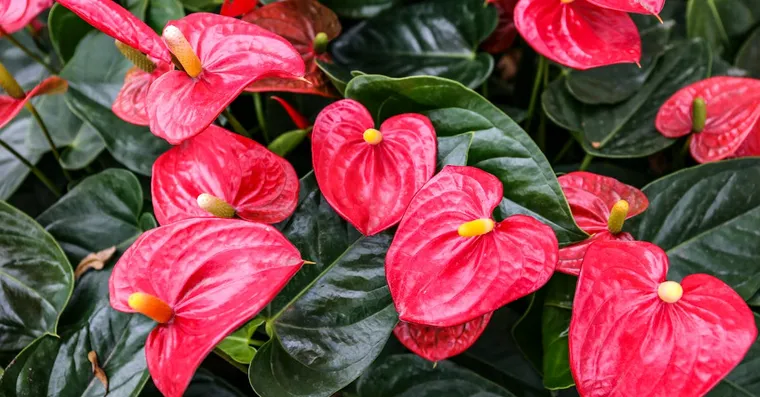
Anthurium Care: How to Keep It Flowering Indoors
A guide to anthurium care that explains light, watering, and feeding so the plant keeps producing its glossy red flowers indoors.
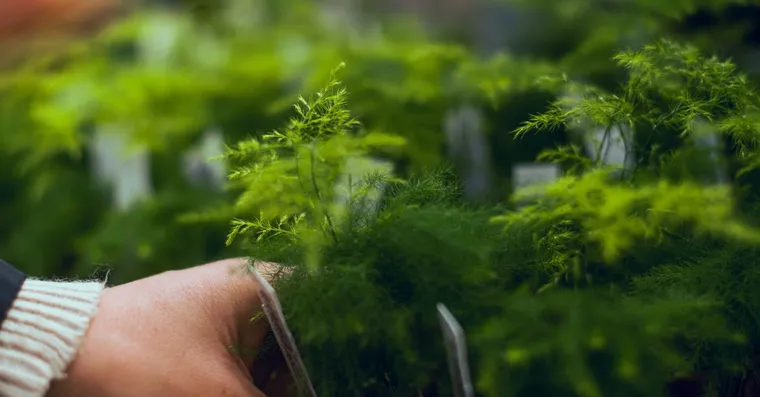
Asparagus Fern Care: Not a Fern, and It Has Thorns
Asparagus fern is not a fern, it is toxic to cats and dogs, and mature stems carry spines. Here is how to grow it and what to know first.
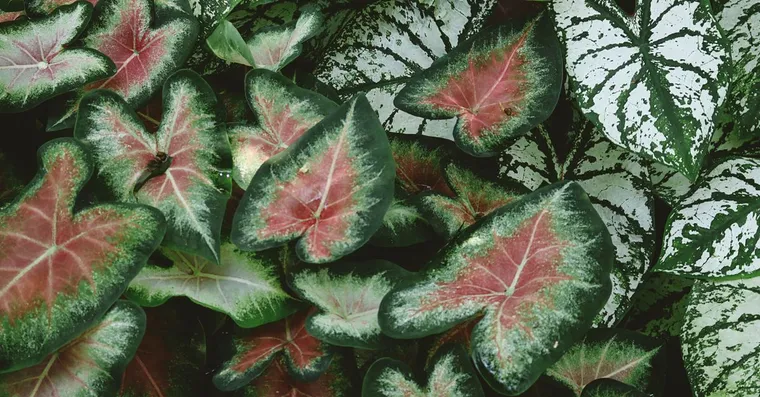
Caladium Care: Bright Leaves, Winter Dormancy, and Toxic Sap
Caladiums die back every winter and that is normal, not failure. Here is how to grow the tubers indoors and why they need care around pets.
Not sure what plant you have? Identify it from a photo and we will point you at its care guide.
Frequently asked questions
Why are my dracaena's leaf tips brown?
Brown, crispy tips almost always come from fluoride and salt build-up in the soil. Fluoride translocates to the leaf margins and scorches the tissue irreversibly. Switch to filtered or rainwater, and flush the soil every 8 to 12 weeks by running roughly three times the pot volume of water through in one session.
Can I use tap water for dracaena?
Tap water is the most common cause of brown tips. Letting it stand overnight removes some chlorine but does nothing for fluoride. A Brita-type filter reduces fluoride but does not eliminate it. Distilled or rainwater is the safest option. If you stay on tap water, flush the soil every 8 to 12 weeks.
Is dracaena toxic to cats?
Yes. Dracaena is toxic to cats and dogs if chewed. See the pet-safe houseplant guide for alternatives.
How do I propagate a dracaena cane?
Cut a bare stem section at least 4 inches (10 cm) long with at least one node. Place it horizontal or upright in moist compost. At 70°F (20°C) you should see a visible shoot in 6 to 10 weeks. No rooting hormone is needed.