Lucky Bamboo Care: Growing Dracaena Sanderiana in Water
A care guide for lucky bamboo, covering how to grow it in water or soil, the light it needs, and why the leaves yellow, despite it not being a bamboo.
Some links in this guide go to Amazon. As an Amazon Associate we earn from qualifying purchases, at no extra cost to you. How this works.
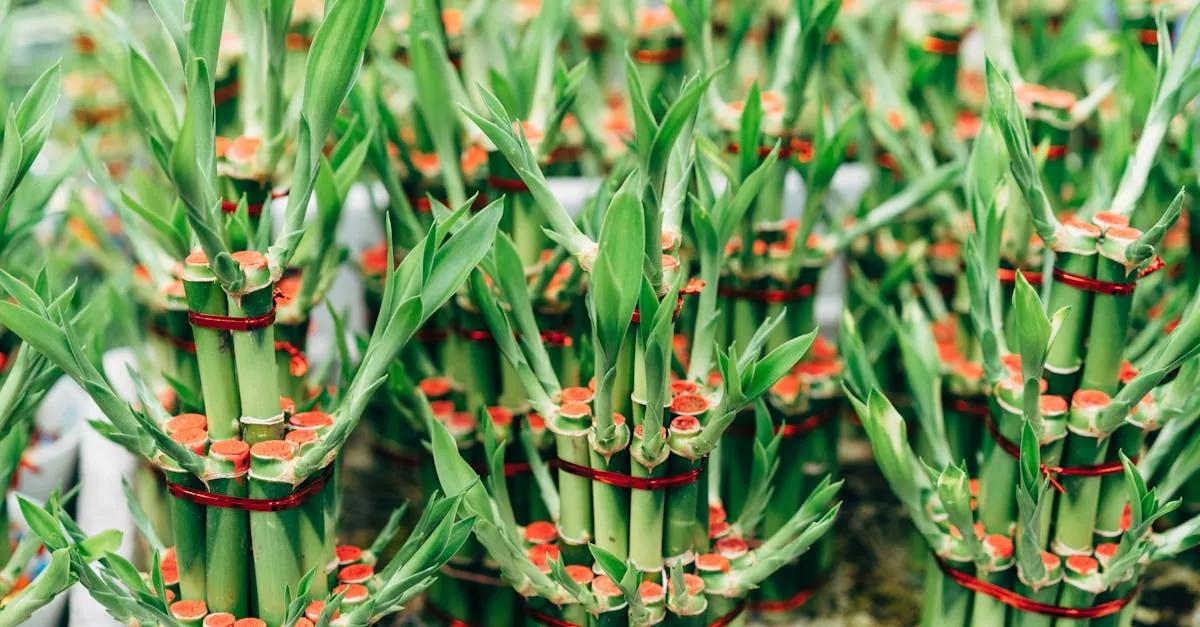
Lucky bamboo is not bamboo at all. It is Dracaena sanderiana, a tropical foliage plant that happens to grow well in water with its stems propped up by pebbles. Once you treat it as the dracaena it is, lucky bamboo care becomes simple: clean water, gentle light, and a bit of patience.
Why it is a dracaena, not a bamboo
The stalks look like bamboo canes, which is where the name and most of the confusion come from. True bamboo is a fast-growing grass that needs soil and a lot of light. Lucky bamboo is a slow, easygoing member of the same family as the common dracaena, and it shares that plant’s biggest quirk: it dislikes the chemicals in tap water. Knowing this changes how you water it and explains most of the problems people run into.
Water: change it weekly and keep it clean
If you grow it in water, this is the part that matters most.
- Change the water every week. Tip out the old water, rinse the pebbles, and refill. Old, stagnant water grows bacteria and algae, which is the fastest route to yellow stalks and slimy roots.
- Use filtered or dechlorinated water. Chlorine and fluoride in tap water scorch the leaf tips and cause browning over time. Filtered water works. So does tap water left to stand uncovered for 24 hours, which lets the chlorine evaporate. Rainwater is fine too.
- Keep the roots covered, not the stalks. Add enough water to cover the roots by an inch or two (3 to 5 cm). The pebbles are there to hold the stems upright, not to be submerged decoration.
Fluoride does not evaporate the way chlorine does, so if your tap water is heavily fluoridated and you see persistent brown tips, switch to filtered or bottled water. For the full picture on what is in your tap, see is tap water safe for houseplants.
Light: bright but indirect
Lucky bamboo wants bright, indirect light. A spot 3 to 6 feet (1 to 2 m) back from a window, or near a window that does not get harsh midday sun, is ideal. It will tolerate fairly low light and survive in an office under fluorescent lights, though growth slows to a crawl.
What it will not tolerate is direct sun. Hours of direct light scorch the leaves and turn them yellow, the same way they would on most tropical foliage. If the plant leans hard toward the window, rotate it every week or two to keep it growing evenly.
Why the stalks or leaves turn yellow
Yellowing is the complaint that brings most people looking for help, and it almost always traces back to one of these, in rough order of how common they are:
- Too much direct sun. Move it out of direct light first and see if new growth comes in green.
- Tap water chemicals. Chlorine and fluoride build up and burn the foliage. Switch your water source.
- Old or dirty water. If you have skipped a few water changes, the roots may already be rotting. Healthy roots are red or orange; mushy brown roots need trimming.
- Fertilizer or none at all. Plants in water have nothing to feed on. A single drop of diluted liquid fertilizer every couple of months is plenty. Too much will also yellow the leaves.
A yellow stalk does not turn green again, so cut your losses early: remove it before it affects the rest.
It grows perfectly well in soil
The water habit is a presentation choice, not a requirement. Lucky bamboo grows happily in a pot of well-draining potting mix, where it tends to be sturdier and less fussy about water quality. Keep the soil lightly moist, never waterlogged. If your water-grown plant keeps struggling, potting it up in soil is often the easiest fix rather than a defeat.
It is toxic to cats and dogs
This is the honest safety note. Dracaena sanderiana contains compounds that are toxic to cats and dogs, and chewed stalks or leaves can cause vomiting, drooling, and loss of appetite. It is not usually dangerous in small amounts, but keep it out of reach of pets that like to nibble, or choose something from a list of pet-safe houseplants instead.
What a healthy lucky bamboo looks like
A thriving plant has firm green stalks and reddish roots, and it grows slowly, so do not be alarmed if months pass with little visible change. The single habit that decides its fate is the weekly water change; let that slip for a few weeks and root rot will set in long before any light or fertilizer issue would. If you ever feel like you are constantly fighting the water, move it into soil rather than waiting for it to recover on its own.
Where to go next
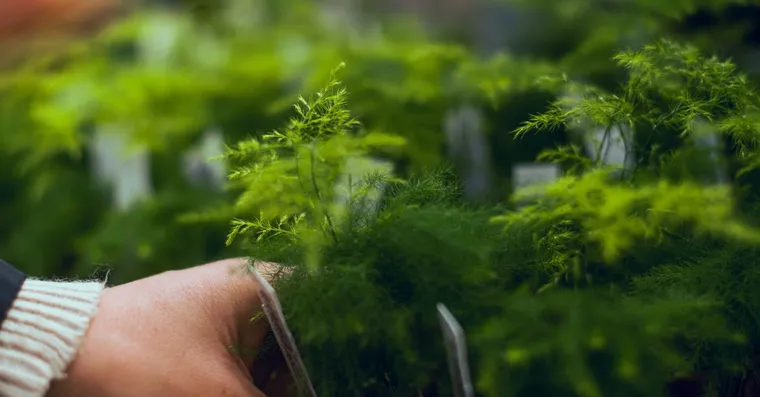
Asparagus Fern Care: Not a Fern, and It Has Thorns
Asparagus fern is not a fern, it is toxic to cats and dogs, and mature stems carry spines. Here is how to grow it and what to know first.
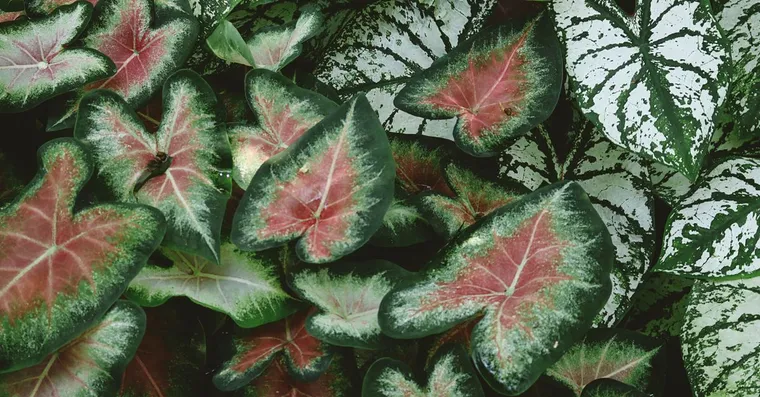
Caladium Care: Bright Leaves, Winter Dormancy, and Toxic Sap
Caladiums die back every winter and that is normal, not failure. Here is how to grow the tubers indoors and why they need care around pets.
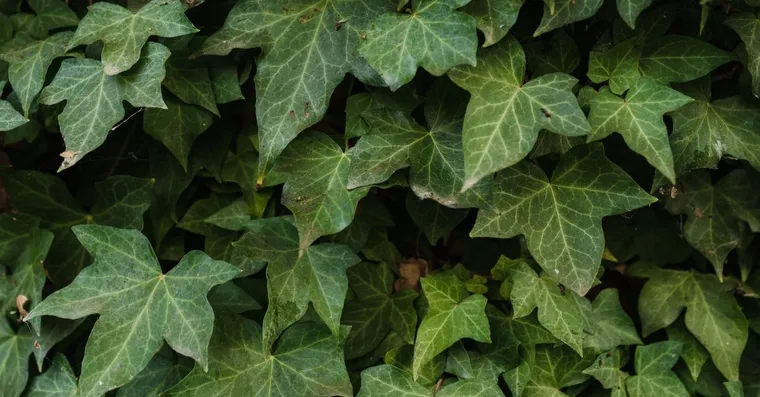
English Ivy Indoor Care: Light, Water, and Keeping It Off the Cat
English ivy grows fast indoors and is toxic to cats and dogs. Here is how to keep it healthy, keep it contained, and decide whether to keep it at all.
Not sure what plant you have? Identify it from a photo and we will point you at its care guide.