Monstera Varieties: Deliciosa, Adansonii, Albo, and More
A plain guide to the monstera types you will actually meet, from common deliciosa and adansonii to pricey variegated albo and thai constellation.
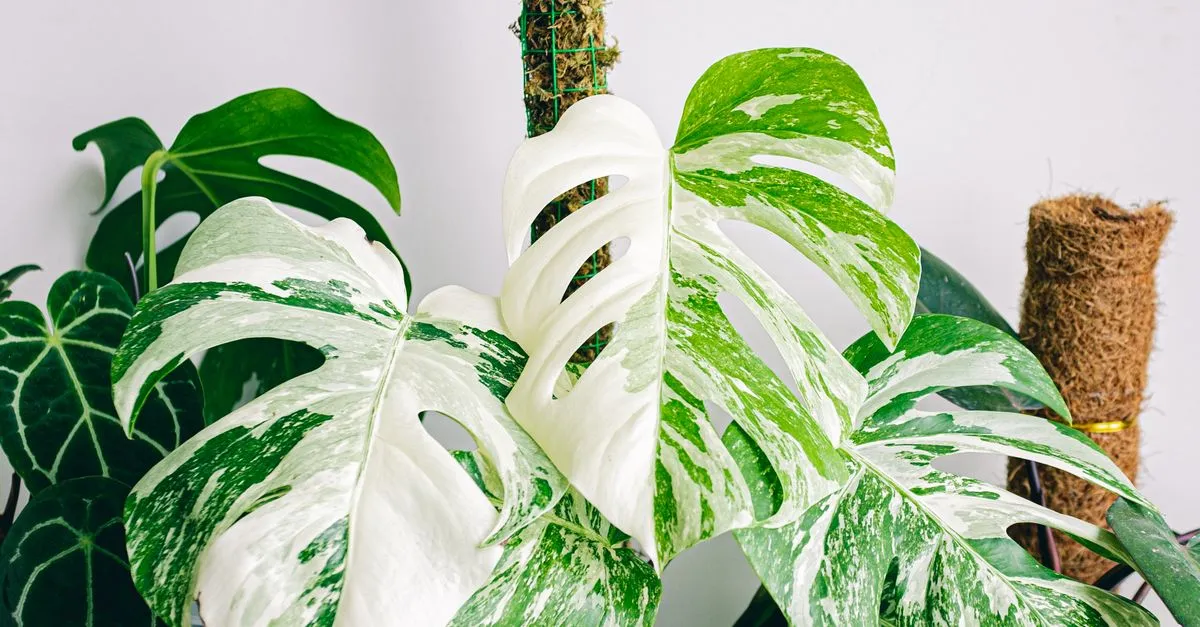
If you have searched monstera varieties expecting dozens of distinct plants, the honest picture is smaller: a handful of common species sold under many names, plus a few genuinely rare variegated forms that cost a lot and grow slowly. Most people are best served by the cheap, easy ones. This guide sorts the beginner friendly from the overpriced and the mislabeled.
The common monstera varieties worth knowing
These are the plants you will actually find, ranked from most to least common in shops.
Deliciosa. The classic. Big glossy leaves that develop both holes and edge splits as the plant matures, eventually reaching 3 feet (1 m) or more across indoors. It is forgiving, fast in good light, and cheap. If you want one monstera and no fuss, this is it. See Monstera Deliciosa Care for the details.
Borsigiana. Frequently sold as a separate variety at a markup, but it is a form of deliciosa: smaller, faster growing, with a slight ruffle where the leaf meets the stem. Do not pay extra for the name. Grown side by side, a mature plant looks much the same.
Adansonii. The Swiss cheese vine. Smaller leaves peppered with enclosed holes rather than splits, on a trailing or climbing stem. Easy, quick, and happy on a pole or in a hanging pot. A solid second monstera. Full notes in Monstera Adansonii Care.
Peru. Sold as Monstera karstenianum. Thick, stiff, deeply puckered leaves with a corrugated texture and no fenestration at all. Slower than the others but tough and drought tolerant. A good pick if you like the look and forget to water.
Siltepecana. Silvery-green juvenile leaves that develop holes as the plant climbs and matures. Underrated, easy, and still affordable. One of the better value monsteras going.
Standleyana. Longer, narrower leaves, often sold in a variegated form. Slower and less common, but not difficult. A reasonable step up once the basics bore you.
The costly variegated monstera varieties
White or yellow variegation is where prices jump, growth slows, and buyer regret sets in. The pattern comes from patches of leaf that lack chlorophyll, so a heavily variegated plant photosynthesizes less and grows more slowly. Ranked by how sensible the purchase is:
Thai constellation. Creamy, speckled variegation across the leaf. It is tissue cultured, so supply has grown and prices have fallen from their peak. The variegation is stable and will not revert to plain green, which makes it the most reliable variegated monstera to own. Still expensive, but you get what you pay for.
Albo. White, blocky variegation on a deliciosa. Propagated only by cutting, never tissue culture, so it stays scarce and dear. It is unstable: shoots can revert to all green or push out an all-white leaf that cannot sustain itself. Expect slow growth and ongoing pruning to keep the balance. See why variegated plants revert before you commit.
Aurea. Yellow or marbled variegation, sometimes called Marmorata. The rarest and priciest of the three, with all of albo’s instability. Collector territory, not a first plant.
If a variegated monstera is cheap, assume it is a mislabeled cutting or a heavily reverted plant, not a bargain.
Whether any of these earn their price is a personal call, covered honestly in Why Are Houseplants So Expensive, and Are They Worth It?.
Obliqua: the name to treat with suspicion
Monstera obliqua is the most mislabeled plant in the hobby. The true species is genuinely rare, rarely in cultivation, with paper-thin leaves that are more hole than leaf. Nearly everything sold as obliqua, especially anything cheap and healthy looking, is actually adansonii. If a seller offers a lush, full obliqua at a normal price, it is an adansonii with the wrong label. Buy it for what it is and do not pay the obliqua premium.
Where to put your money
For a first or second monstera, buy deliciosa or adansonii: cheap, fast, and hard to kill. Treat borsigiana, Peru, siltepecana, and standleyana as easy variations on the same theme rather than upgrades. Save the variegated forms for when you know your light is good and your care is steady, and if you go that route, thai constellation is the least risky place to start. Whichever you choose, check the label against the actual leaf before you pay, because in monsteras the name on the tag is the least reliable thing about the plant.
Where to go next
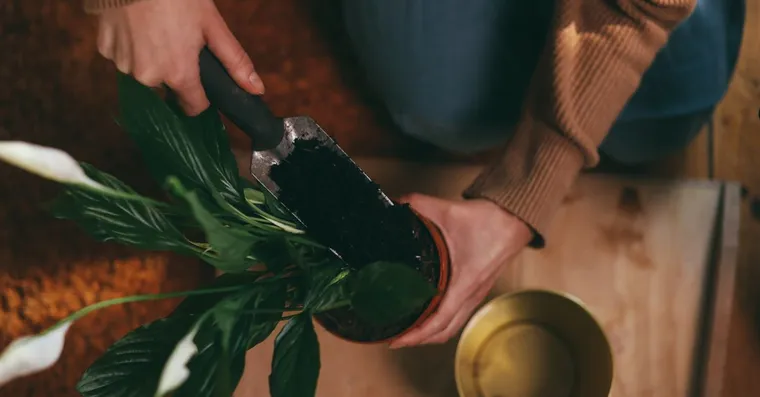
The Best Soil Mix for a Monstera (and a Simple Recipe)
Monstera roots want a chunky, fast draining aroid mix rather than plain potting soil; here is a simple recipe and what each ingredient does.
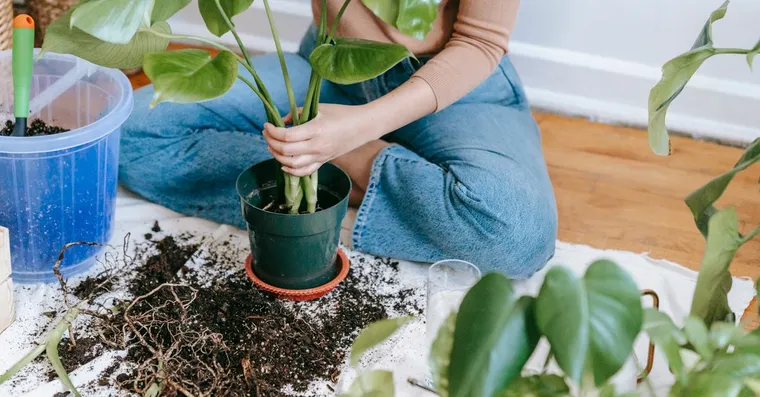
Monstera Aerial Roots: What They Do and What to Do With Them
Those thick roots growing from your monstera stem are normal aerial roots for climbing; here is whether to cut, bury, or train them.
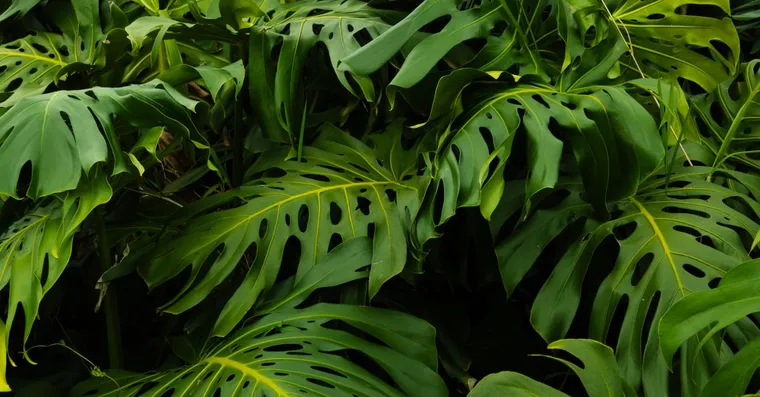
Why Is My Monstera Turning Yellow? Causes and Fixes
Yellow leaves on a monstera usually mean a watering problem, but light, feeding, and age all matter; here is how to tell them apart.
Not sure what plant you have? Identify it from a photo and we will point you at its care guide.