Why Are Houseplants So Expensive, and Are They Worth It?
Why houseplants cost so much: rarity, slow propagation, variegation, size, and hype. When the premium is worth paying, and how to buy well without overpaying.
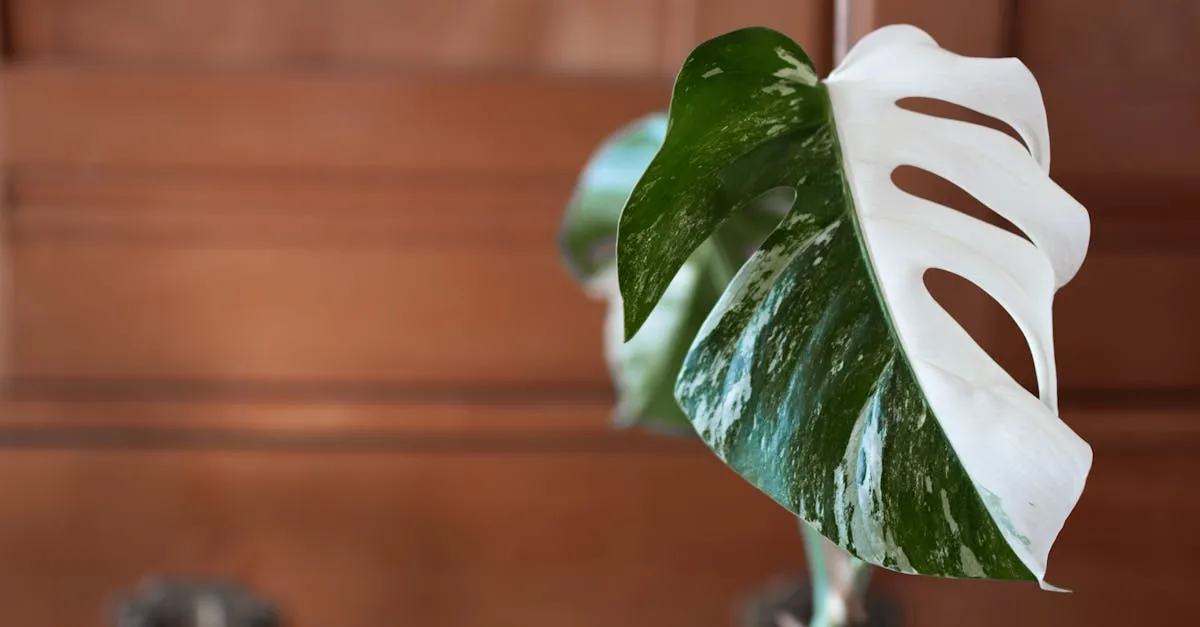
Houseplants cost so much because supply and demand set the price, not quality: rarity, slow propagation, variegation, size, and hype do most of the work. That is also why, for most people, an expensive houseplant is not worth the money. A high price usually buys you rarity and status, not a healthier or easier plant, and the same species in plain form often grows better for a fraction of the cost. There are exceptions, but they are narrower than the hype suggests.
Quick answer
Houseplant prices are set by supply and demand far more than by quality, and five things drive them: rarity, slow propagation, variegation, size and maturity, and hype. A high price buys rarity and status, not a healthier or easier plant, which is why for most people an expensive houseplant is not worth it: highly variegated and rare plants are usually harder to keep, grow more slowly, and can revert to plain green at any time, while the same species in plain form costs a fraction and forgives more mistakes. Paying the premium makes sense mainly for collectors who genuinely value rarity and can give a demanding plant the light and humidity it needs.
Why do houseplants cost so much?
Plant prices are set by supply and demand far more than by quality. These are the main reasons one plant costs ten times another, roughly in order of how much they matter.
Rarity. A plant that is hard to find, slow to multiply, or newly imported commands a premium simply because few exist. Scarcity, not beauty or vigor, is doing most of the work.
Slow propagation. Some plants are slow to root, divide, or produce offsets. When growers cannot make new stock quickly, supply stays tight and prices stay high until production catches up.
Variegation. The white or pink sections of a variegated leaf contain little or no chlorophyll, so the plant photosynthesizes less, grows more slowly, and is fussier about light. Highly variegated plants are harder to keep alive, and they can revert to plain green at any time. You are paying more for a plant that does less.
Size and maturity. A large, mature specimen represents years of a grower’s time, space, and care, so it costs more than a young plant or a cutting. This is one of the more honest reasons for a high price.
Hype and trend cycles. Social media turns certain plants into must-haves, and prices spike well beyond what the plant is worth. These trends fade as growers flood the market, and yesterday’s trophy becomes next year’s ordinary houseplant. Oxalis triangularis is one example: striking purple foliage for a very modest price.
Are expensive houseplants worth it?
It depends entirely on who you are. For a collector who genuinely values rarity, enjoys the challenge, and can give a demanding plant the light and humidity it needs, the answer is sometimes yes. The plant is the point, and the price is part of the hobby.
For most people, the answer is no. A highly variegated or rare plant is usually harder to keep, grows slowly, and may revert or decline if conditions are not ideal. The same species in its plain form costs a fraction, grows faster, and forgives more mistakes. If you want a thriving plant rather than an expensive worry, the cheaper one is the better buy. There are also plenty of striking options that cost very little: the best houseplants for small spaces lists compact picks that are easy to find and easy to keep.
How to buy well
You can enjoy striking plants without overpaying. A few habits keep your money where it belongs.
Wait out the trend. Prices on fashionable plants fall fast as growers propagate them. A plant that costs a small fortune this year is often affordable within two or three years. Patience is the cheapest tool you have.
Buy health over status. A cheap, healthy plant beats an expensive stressed one every time. A bargain with root rot or a heavy pest load is no bargain. Learn to choose a healthy houseplant at the shop before you spend anything.
Compare your sources. The same plant can vary widely in price between a specialist seller, a big shop, and an online listing. Knowing where to buy houseplants and what each source charges stops you overpaying out of habit.
Avoid the usual traps. Impulse buys, panic buying during a trend, and paying for a name rather than a plant are among the common shopping mistakes that drain budgets fast. Plants also make thoughtful gifts when chosen well: the best houseplants to give as gifts are a reliable, affordable alternative to a rare specimen.
The honest reality
Expensive does not mean better, and it certainly does not mean healthier. Much rare-plant pricing is speculative and short-lived, propped up by scarcity and fashion rather than by anything in the plant itself.
A thriving common plant gives far more pleasure than a sulking trophy on a windowsill.
If a plant brings you joy and you can afford it, buy it with open eyes. Just do not assume the price tag reflects quality, ease, or value.
Before you pay the premium
The next time a variegated or rare plant catches your eye, look up the plain version of the same species first and note the price gap before you decide. If you still want the costly one, set a ceiling you would pay and walk away above it, because the same plant will almost certainly be cheaper once growers catch up. The buyers who stay happy are the ones treating the price as the cost of a hobby, not as a promise of an easier plant.
Where to go next
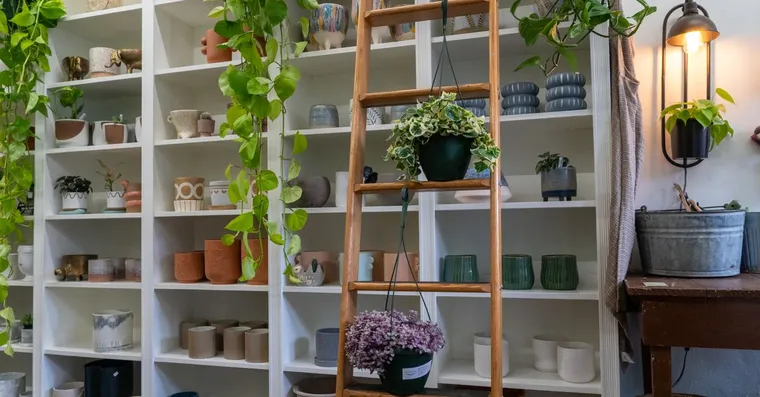
The Best Time to Buy Houseplants (and When to Hold Off)
When to buy houseplants for the best choice and the safest start, why spring and summer beat winter, and how to buy in cold weather without shocking a plant.
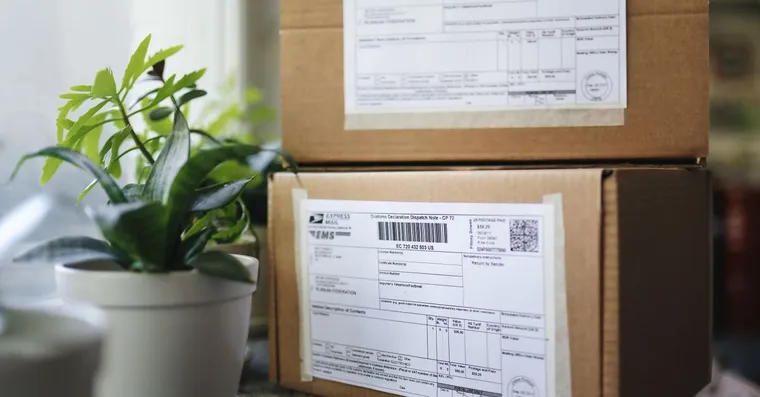
Buying Houseplants Online: What to Expect and How to Avoid Trouble
How to buy houseplants online safely, what really arrives in the box, how to unbox and settle a mail-order plant, and when shipping a plant is a bad idea.
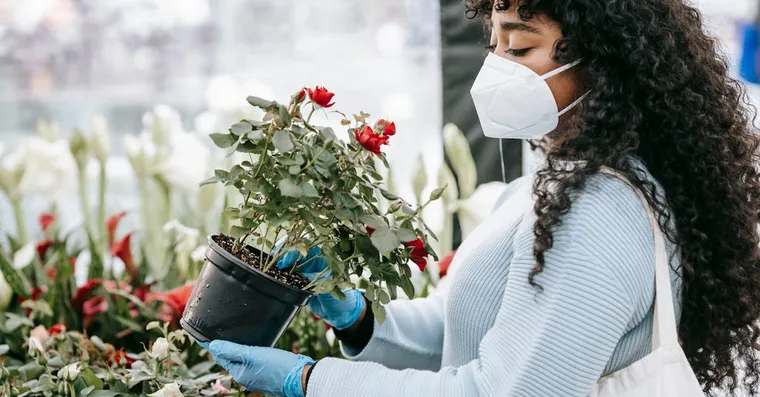
Common Houseplant Shopping Mistakes (and How to Avoid Them)
The mistakes that turn a houseplant purchase into a quick failure, from buying for looks over light to skipping the pest check, and how to shop better.
Not sure what plant you have? Identify it from a photo and we will point you at its care guide.
Frequently asked questions
Why are some houseplants so expensive?
Supply and demand, far more than quality. A plant that is hard to find, slow to multiply, or newly imported commands a premium simply because few exist. Highly variegated plants cost more because the pale sections carry little or no chlorophyll, so the plant grows more slowly. Size and maturity is one of the more honest reasons, since a large specimen represents years of a grower's time, space, and care. Hype and trend cycles add the rest.
Are variegated houseplants harder to keep?
Usually, yes. The white or pink sections of a variegated leaf contain little or no chlorophyll, so the plant photosynthesizes less, grows more slowly, and is fussier about light. It can also revert to plain green at any time. You are paying more for a plant that does less.
Do rare houseplant prices come down over time?
Usually, and often quickly. Prices on fashionable plants fall as growers propagate them, so a plant that costs a small fortune this year is often affordable within two or three years. Waiting out the trend is the cheapest tool you have.
Are expensive houseplants a good investment?
Treat the price as the cost of a hobby rather than an investment. Much rare-plant pricing is speculative and short-lived, propped up by scarcity and fashion rather than by anything in the plant itself, and those trends fade as growers flood the market.