8 Best Houseplants to Give as Gifts
The best houseplants to give as gifts are easy to keep alive, widely loved, and often carry a bit of meaning. Here are eight that suit almost any recipient.
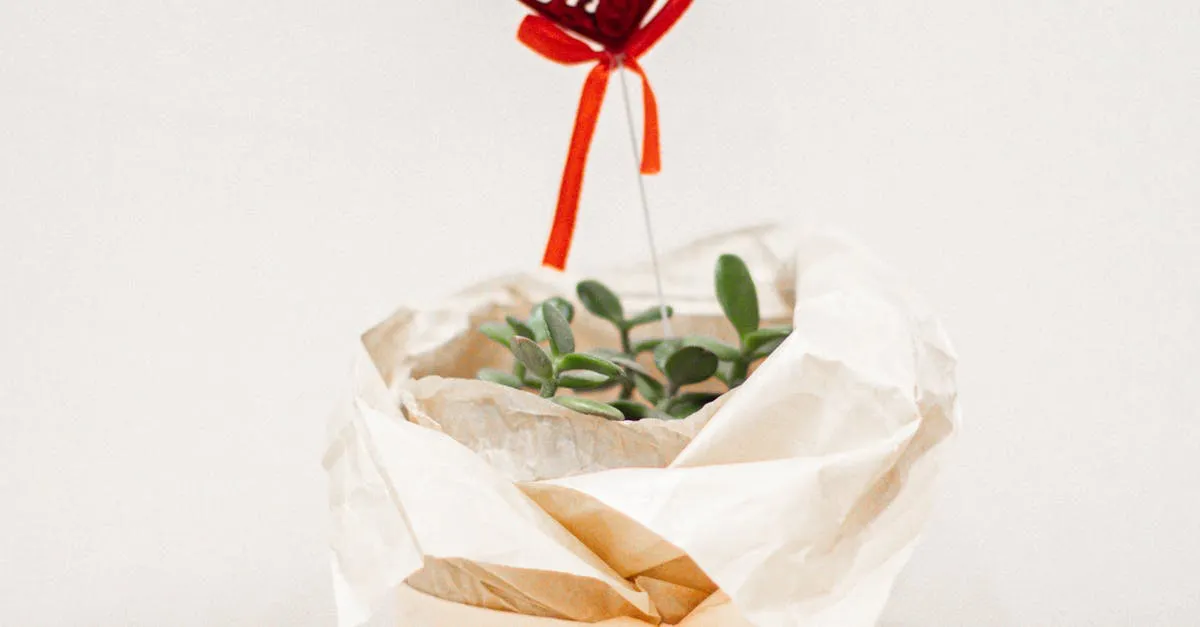
The best houseplants to give as gifts share one quality: the person receiving them can keep them alive without much effort. Below are eight that are forgiving, attractive, easy to find, and in several cases carry a bit of meaning, whether that is good luck, sympathy, or a housewarming welcome. They are ordered roughly from the most foolproof and universal to the more occasion-specific, so the earlier picks suit almost anyone.
How these plants were chosen
The first test is survival in an ordinary home, because a plant that dies in two weeks is not a kind gift. Every plant here tolerates inconsistent watering and average indoor light, so a busy or first-time owner can succeed with it. They are all widely sold and affordable, which matters when you want something nice rather than something rare and fussy. Several also carry a traditional meaning, useful when the gift marks an occasion. The one thing to check before you buy is pets: several of these are toxic to cats and dogs, so a pet-safe pick matters for some homes. If that is a concern, our guide to pet-safe houseplants lists the reliably non-toxic options.
The best houseplants to give as gifts, ranked
Snake plant
Sansevieria trifasciata. This is the most forgiving plant on the list and the safest bet for someone who forgets to water or travels often. It tolerates low light, dry air, and weeks of neglect, then carries on as if nothing happened. The only real care note is to water sparingly, soaking the soil only once it has dried out completely, because overwatering is the one thing that kills it. The honest caveat: it is toxic to cats and dogs if chewed, so skip it for a pet household. Pair it with our snake plant care guide and the recipient has almost nothing to learn.
Pothos
Epipremnum aureum. Pothos trails happily from a shelf, roots from a cutting in a glass of water, and shrugs off low light, which makes it both attractive and genuinely hard to kill. It is a strong choice for a beginner who wants something that visibly grows and rewards a little attention. Let the top inch or two (3 to 5 cm) of soil dry between waterings and it will be content. The caveat is toxicity: the sap irritates and it is harmful to pets and small children if eaten. The pothos care guide covers the few ways to go wrong.
Peace lily
Spathiphyllum wallisii. The peace lily flowers indoors in modest light and tells you plainly when it is thirsty by drooping, then perks up within hours of a drink. That feedback makes it forgiving, and its calm white blooms suit a sympathy or get-well gift. Keep it out of direct sun and water when the leaves begin to sag. Be aware it is toxic to pets, and the dramatic drooping can alarm a new owner who does not know it is normal. See the peace lily care guide for the watering rhythm.
Money tree
Pachira aquatica. Sold with a braided trunk and associated with prosperity and good luck, the money tree is a thoughtful housewarming or new-business gift. It is also one of the few here that is pet-safe, which widens who you can give it to. Give it bright indirect light and water when the top of the soil dries; it dislikes sitting wet far more than it dislikes a missed watering. The caveat is sensitivity to cold drafts and overwatering, both of which drop leaves. The money tree care guide explains the balance.
Phalaenopsis orchid
Phalaenopsis. The moth orchid looks like a luxury gift but is more forgiving than its reputation suggests, with blooms that last for weeks or months. It is widely available, elegant, and pet-safe, so it works for almost any recipient. Water it roughly once a week by soaking the roots and letting it drain fully, and never leave water sitting in the crown. The main risk is root rot from a pot with no drainage. The orchid care guide covers reblooming once the first flowers fade.
Jade plant
Crassula ovata. This slow, sculptural succulent is a classic symbol of prosperity and can live for decades, which makes it a meaningful housewarming gift rather than a throwaway one. It asks very little: bright light and infrequent, thorough watering once the soil is dry. Give it a sunny spot or it stretches and grows leggy. The caveat is that jade is toxic to cats and dogs. Point the recipient to the jade plant care guide.
Lucky bamboo
Dracaena sanderiana. Despite the name it is not bamboo, and it grows in nothing but a vase of water and pebbles, which makes it a cheap, low-commitment gift tied to good fortune in feng shui. Keep the roots submerged, change the water every couple of weeks, and use filtered or rested water because it is sensitive to the fluoride in tap water. The honest caveat: it is toxic to cats and dogs, so the cheerful name is misleading for pet homes. The lucky bamboo care guide has the details.
Christmas cactus
Schlumbergera. This one blooms in midwinter, which makes it a natural festive gift, and a well-kept plant can be passed down for generations. It is pet-safe and undemanding, wanting bright indirect light and water when the top of the soil dries. The caveat is that it drops its buds if it is moved, chilled, or overwatered while flowering, so tell the recipient to leave it in one spot. The Christmas cactus care guide explains how to get it to rebloom.
What to tell the recipient
A gift plant survives or dies on two facts the recipient may not know: how much light it wants and how often to water it. A short note solves this, something as plain as “bright spot out of direct sun, water when the top of the soil is dry.” It also helps to mention that a new plant may sulk for two weeks while it settles, which is normal rather than a sign of failure; our guide to acclimating a new houseplant covers that first stretch.
The kindest plant gift is one the recipient can actually keep alive in their real home.
A tough snake plant or pothos beats a demanding showpiece for most people, so match the plant to the person rather than to how impressive it looks in the shop.
Setting your gift up to last
The quickest way to undo a good plant gift is to buy whatever looks fullest on the shop shelf without first knowing how much light the recipient’s home gets or whether they keep pets, so settle those two questions before you choose. Pair your pick with a pot that has a drainage hole and a one-line care note, and even an inexpensive plant will still be going strong a year from now.
Where to go next
Why Are Houseplants So Expensive, and Are They Worth It?
Why houseplants cost so much: rarity, slow propagation, variegation, size, and hype. When the premium is worth paying, and how to buy well without overpaying.
The Best Time to Buy Houseplants (and When to Hold Off)
When to buy houseplants for the best choice and the safest start, why spring and summer beat winter, and how to buy in cold weather without shocking a plant.
Buying Houseplants Online: What to Expect and How to Avoid Trouble
How to buy houseplants online safely, what really arrives in the box, how to unbox and settle a mail-order plant, and when shipping a plant is a bad idea.
Not sure what plant you have? Identify it from a photo and we will point you at its care guide.