Acclimating a New Houseplant: The First Few Weeks
What to do when you bring a new houseplant home, why it drops leaves at first, and how to quarantine it so pests do not spread to your other plants.

Bringing a new plant home is exciting, but the first few weeks are when most problems start. Acclimating a new houseplant well means doing less than you think: isolating it, watching it closely, and leaving it alone to settle into conditions that are almost certainly drier and dimmer than where it was grown. Get this stretch right and the plant adjusts to your home on its own.
Quarantine it away from your other plants
This is the single most important step, and the one most people skip. Keep any new plant well away from your existing collection for two to three weeks, ideally in a different room. Nurseries and shops pack plants close together, which is exactly how spider mites, mealybugs, and scale spread from one pot to the next.
During quarantine, inspect the plant properly every few days:
- Check the leaf undersides and stem joints. This is where mites, scale, and mealybugs hide first. Look for fine webbing, sticky residue, or small bumps that do not rub off easily.
- Watch the soil surface. Tiny black flies rising when you water point to fungus gnats, which travel in on infested nursery soil.
- Wipe the leaves clean. This removes dust and any early pests, and gives you a close look at the plant at the same time. If you are unsure what you have brought home, how to identify a houseplant walks through the most practical methods.
If you spot anything, treat it before the plant joins the others. Quarantine turns a potential infestation of your whole collection into a problem confined to one pot.
The two weeks you spend keeping a new plant separate can save you months of fighting pests across every shelf.
Resist the urge to repot straightaway
A new plant in a plain nursery pot is tempting to move into something nicer at once. Hold off. Repotting disturbs the roots at the exact moment the plant is already coping with a change in light, humidity, and temperature, and stacking two stresses together is how a healthy plant goes downhill fast.
Leave it in its nursery pot for at least the first few weeks, longer if you can. The one real exception is if you tip the plant out and find it sitting in soggy, foul-smelling soil, which points to root rot that needs dealing with now. Otherwise, a slightly snug pot is fine while the plant finds its feet. When you do repot, do it gently and at the right time, once the plant is clearly settled and growing.
Keep light and water steady
Acclimation works best when conditions stop changing. Pick a spot and leave the plant there rather than shuffling it around to find the perfect window.
- Light. Choose a position with light that suits the plant, then leave it. If it came from a bright greenhouse and you have a sunny window, ease it in over a week or two rather than placing it in direct midday sun straight away, which can scorch leaves grown in softer light.
- Water. Water when the plant actually needs it, judged by the soil rather than a schedule. Check the top inch or two (3 to 5 cm): water most plants when they have begun to dry out, and never leave the pot standing in water. Overwatering a stressed new plant is far more common than underwatering it.
- Skip the fertilizer. Nursery soil is usually already fed, and a settling plant is not growing much. Wait a month or two before you start feeding.
Why some leaf drop and droop is normal
Here is the honest part. Nurseries grow plants in bright, warm, humid, professionally managed conditions. Your living room is dimmer, drier, and draftier by comparison, and the plant has to adjust to that. Some response in the first few weeks is not a fault to fix.
Expect possible yellowing or loss of a few older or lower leaves, mild drooping, or a pause in new growth. A fiddle leaf fig or croton may drop several leaves purely from the move. This is the plant shedding growth it can no longer support and rebalancing to its new home. The mistake is to react to it by watering more, moving the plant, or repotting, all of which add stress.
What is not normal adjustment: rapid collapse, mushy stems, sudden widespread yellowing, or visible pests. Those point to a real problem like overwatering or an infestation, and are worth acting on. Steady mild changes over a couple of weeks are just settling in.
What settling in actually looks like
The clearest sign your plant has adjusted is fresh new growth, a leaf unfurling or a tip extending, which usually shows up within four to six weeks of coming home. Until then, treat a quiet, unchanging plant as good news rather than a problem to solve, and keep your hands off beyond watering and the odd pest check. Once that first new leaf appears, you can fold the plant into your normal routine: move it in with the others, begin light feeding, and repot if it genuinely needs it.
Where to go next
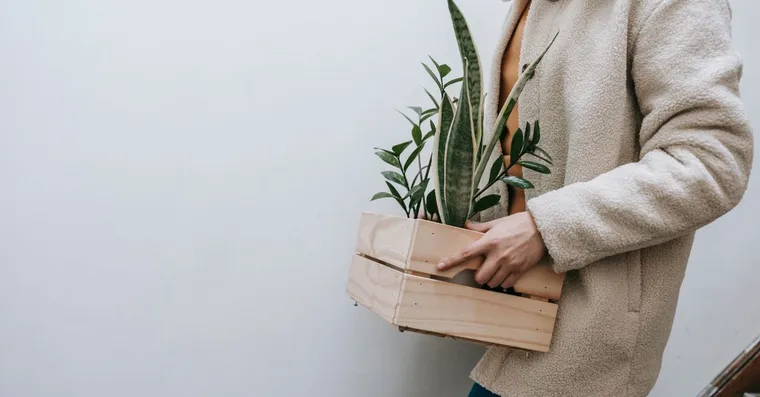
How to Quarantine a New Houseplant (and Why It Matters)
Why every new houseplant should be isolated for a few weeks, what to check for, and how to quarantine a plant so one purchase does not infest your collection.
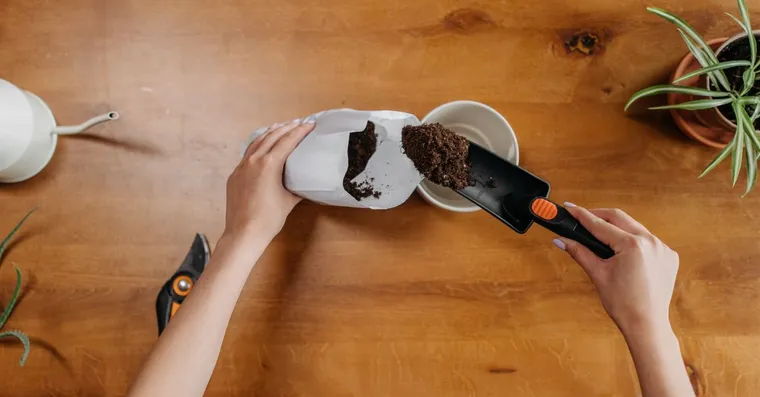
Fungus Gnat Larvae: What They Look Like and How to Kill Them
Fungus gnat larvae live in the top few centimetres of soil and eat roots. Here is how to confirm you have them and the treatments that actually clear them.
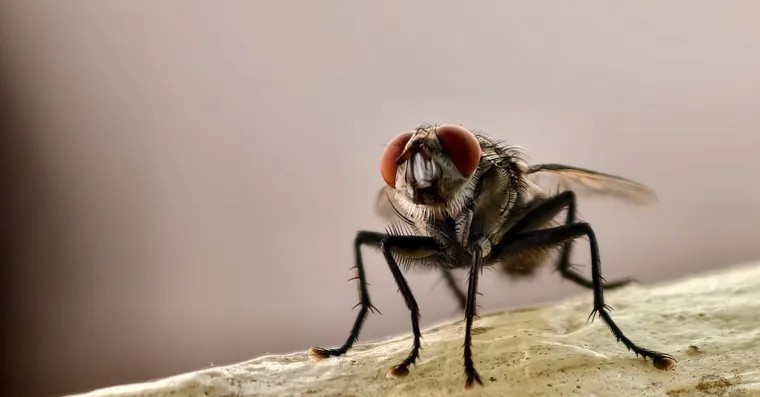
Fungus Gnats vs Fruit Flies: How to Tell Which You Have
Fungus gnats come from your plant pots, fruit flies come from the kitchen. They need completely different treatments, so identify before you treat.
Not sure what plant you have? Identify it from a photo and we will point you at its care guide.