How to Quarantine a New Houseplant (and Why It Matters)
Why every new houseplant should be isolated for a few weeks, what to check for, and how to quarantine a plant so one purchase does not infest your collection.
Some links in this guide go to Amazon. As an Amazon Associate we earn from qualifying purchases, at no extra cost to you. How this works.
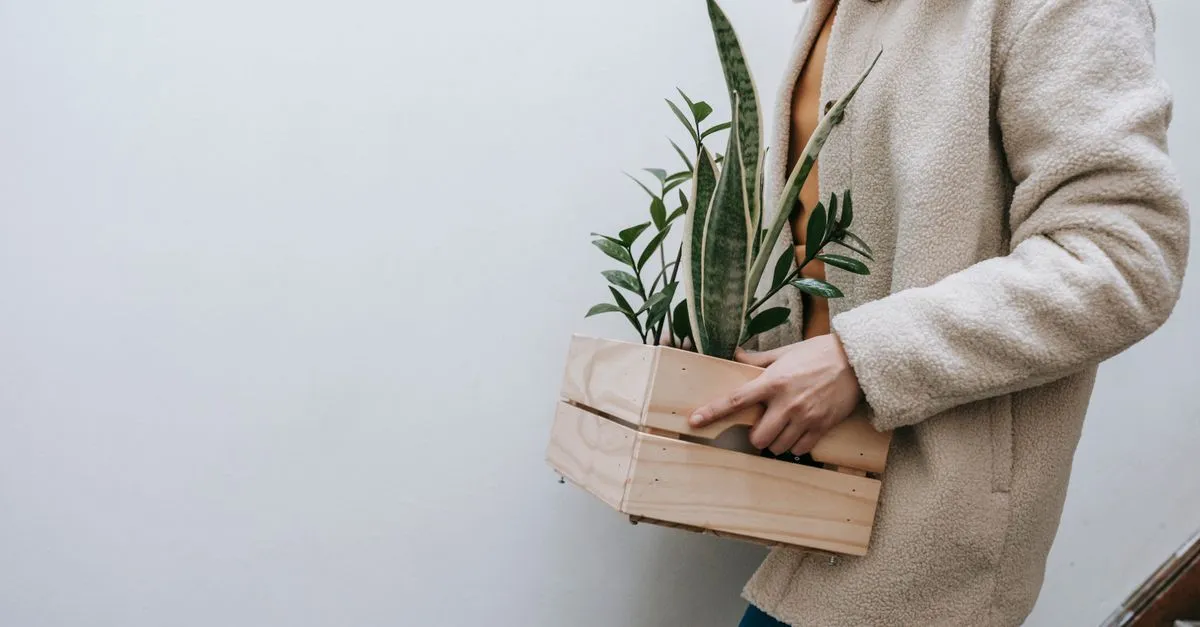
Most people skip this step, and most people regret it. Quarantining new houseplants means keeping every new arrival away from your existing collection for a few weeks before it joins the shelf, and it is the single cheapest pest-prevention habit you can build. The reason is simple: the plant you just bought almost certainly came from a crowded greenhouse, and crowded greenhouses are where pests breed.
Why shop and nursery plants are a real risk
Garden centers, supermarkets, and online sellers keep plants packed tightly under warm, humid conditions. That is ideal for plant growth, and just as ideal for pests. A plant can look perfectly healthy on the shelf while carrying eggs or a handful of insects too small to notice.
The usual stowaways, roughly in order of how often they hitch a ride:
- Spider mites. Tiny, often invisible until you see fine webbing or stippled, faded leaves. They reproduce explosively in warm rooms.
- Mealybugs. White, cottony specks tucked into leaf joints and stem crooks. Easy to miss when there are only one or two.
- Thrips. Slender and fast, leaving silvery scarring and black specks of waste. Notoriously hard to clear once established.
- Scale. Brown or tan bumps along stems and leaf veins that look like part of the plant. They barely move, so people assume they are harmless growths.
- Fungus gnat larvae. Hidden in the soil, not on the plant. The adults you see later came home in the pot.
One infested plant set next to others gives these pests a clear path. Spider mites in particular can spread across a whole shelf within days. That is how a single bargain plant turns into weeks of treating ten.
How to quarantine a new plant properly
The principle is distance and time. Keep the newcomer somewhere your other plants are not.
Separate it physically. A different room is best. A windowsill at the far end of the house, a spare bathroom, or even a large clear box will do. The point is no shared leaves, no shared air current carrying mites, no drips from one pot into another.
Give it two to four weeks. Most pest life cycles run their course in this window, so eggs you could not see will hatch into insects you can. Two weeks is the minimum; four is safer for plants from unknown sources.
Inspect it closely on arrival, then weekly. Turn the leaves over and check the undersides, where mites and scale hide. Look into leaf joints and along stems. Scan the soil surface for tiny flies. A hand lens helps for the smaller pests.
Wipe the leaves down. A cloth with plain water, or water with a drop of mild soap, removes dust, loose eggs, and early insects. This doubles as a good look at every leaf surface.
Treat proactively if there is any doubt. A precautionary spray of insecticidal soap or a neem solution on a plant from a high-risk source is cheap insurance. If you are unsure which to reach for, our guide on neem oil versus insecticidal soap explains the trade-offs. You are not waiting for proof of an infestation; you are heading one off.
If you do find something, you have caught it on one plant in isolation rather than across your collection. Match the treatment to the pest: the guides on spider mites, mealybugs, thrips, and scale insects each cover what works.
This is not the same as acclimating
Quarantine and acclimation happen at the same time, but they solve different problems. Acclimating a new plant is about easing it into your light and humidity so it does not drop leaves from the shock of moving. Quarantine is purely about pests. A plant can settle into its new light beautifully and still be quietly seeding a spider mite outbreak. Do both at once: park the new plant in its isolation spot, and let that spot also be a gentle introduction to your conditions.
The cost of quarantine is a few weeks of patience; the cost of skipping it is treating your whole collection.
What quarantine cannot do
It is a strong habit, not a guarantee. A four-week wait will expose most pests, but a very light infestation can stay hidden longer, and some eggs are slow to hatch. Quarantine also does nothing for problems already in your home, so if your existing plants have pests, the new arrival is not the one to blame. Treat it as the thing that catches most trouble early, not the thing that catches everything.
Make the isolation spot a fixed part of your routine
The mistake that catches people out is setting a clean-looking newcomer beside the collection “just for a day” while they find room, because that one day is all spider mites need. Decide now where your quarantine corner is, a spare room or a far windowsill, so every new plant goes straight there without a second thought. Once the habit is automatic, the few weeks of waiting stop feeling like a chore and simply become the last step of buying a plant.
Where to go next
Neem Oil vs Insecticidal Soap: Which to Use on Houseplant Pests
When to reach for neem oil and when insecticidal soap works better, a pest-by-pest verdict, and how to use each one without scorching your plants.

How to Get a New Plant Home Without Damaging It
How to transport a houseplant home safely, from securing it in the car to protecting it from cold and heat, so your new plant survives the journey unharmed.
How to Use Neem Oil on Houseplants (Without Killing Them)
What neem oil does for houseplants, how to mix and apply it correctly, which pests and fungal problems it treats, and the mistakes that harm leaves.
Not sure what plant you have? Identify it from a photo and we will point you at its care guide.