Mealybugs on Houseplants: How to Spot and Treat Them
Mealybugs look like specks of white cotton and spread fast. Isolate the plant, treat each cluster with rubbing alcohol on a cotton bud, and repeat weekly.
Some links in this guide go to Amazon. As an Amazon Associate we earn from qualifying purchases, at no extra cost to you. How this works.
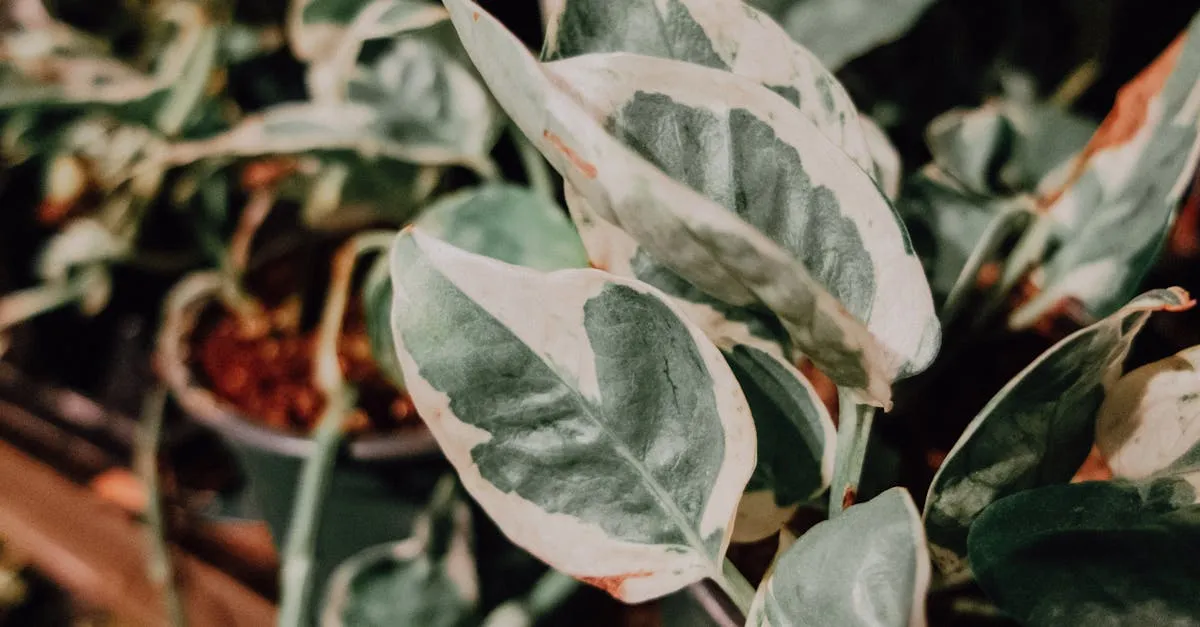
Those small white cottony clusters tucked into the joints of your plant are mealybugs, a soft-bodied sap-sucking insect. They are slow movers and easy to kill on contact, which makes them sound harmless, but they hide well and breed fast, so a few missed insects can rebuild the whole infestation. The honest answer is that mealybugs are not hard to treat, only hard to treat thoroughly: success depends on repeat treatment and patience, not on any single product.
What mealybugs look like and where they hide
An adult mealybug is roughly 1/16 to 1/8 inch (2 to 4 mm) long, oval, and coated in a white waxy fluff. The cottony look is that wax, and it is also the egg sac: a female lays a few hundred eggs in a loose white mass before she dies. A sticky, shiny residue on leaves below the insects is honeydew, their sugary waste, which often grows a black sooty mold.
They cluster where they are sheltered and hard to see, ranked roughly by where you should look first:
- Leaf joints and stem crooks. The point where a leaf meets the stem is the classic hiding spot. Check every joint.
- Leaf undersides and new growth. Soft young tissue is easiest for them to feed on, so the growing tip is a favorite.
- Inside furled leaves and bud sheaths. Plants with rolled new leaves give mealybugs a perfect enclosed pocket.
- Down at the soil line and on the roots. Some types feed on roots, so a plant that stays infested despite clean foliage may need an inspection at repotting time.
Confirm it’s mealybugs, not a lookalike
A white or cottony patch is not always a mealybug, and the wrong call wastes weeks on the wrong fix. Four things get mistaken for them:
- Soft scale. Flat or domed brown bumps that do not move and have no cottony fringe. Same honeydew, different removal. See scale insects.
- Woolly aphids. Also cottony, but they sit on stems and leaf veins in the open rather than burrowing into tight joints, and they scatter when disturbed. See aphids.
- Powdery mildew. A dry, dusty gray-white film that wipes off as powder and spreads across the leaf surface, not a raised tuft you can lift off. See powdery mildew.
- Thrips deposits. Tiny black specks and silvery scarring rather than white fluff. See thrips.
The mealybug tell is the raised, distinct white tuft sitting in a sheltered axil, with each cluster lifting off cleanly on a cotton bud.
Severity triage
Match your effort to what you are facing.
- Light is a handful of insects on one or two stems: spot-treat as below and watch closely. No need to dismantle the plant.
- Established is clusters across several stems or visible honeydew: commit to the full repeat cycle below and inspect every neighbor, because at this scale it has almost certainly seeded eggs you cannot see.
- Chronic is a plant that keeps relapsing weeks after clean foliage: stop treating the leaves harder and check for root mealybugs or a missed reservoir, covered in the two sections below.
Isolate the plant first
Before you treat anything, move the affected plant well away from the rest of your collection. Mealybugs crawl between touching leaves and travel on hands and tools, so an infested plant left on a shared shelf will seed every neighbor. Keep it isolated for the entire treatment period, not just the first day.
While it is separated, check every plant that was nearby. A neighbor that looks clean today may show clusters within a week or two, so inspecting now is the difference between treating one plant and treating ten.
Spot-treat with rubbing alcohol
The most reliable home treatment is isopropyl (rubbing) alcohol, around 70 percent strength. Dip a cotton bud in it and touch each mealybug directly. The alcohol dissolves the protective wax and kills the insect on contact, turning it from white to a translucent tan. Wipe away the egg sacs as you go.
For a heavier infestation, mix one part rubbing alcohol to three parts water with a drop of washing-up liquid, and wipe down stems and both sides of every leaf. Test it on one leaf first and wait a day, as a few sensitive or thin-leaved plants can react. Insecticidal soap or a horticultural oil such as neem works the same way and reaches tight crevices a cotton bud cannot.
Mealybugs are not defeated in one session: they are defeated by the session you do next week.
Where they hide by plant type
The first place to look changes with the plant:
- Succulents and cacti: at the soil line where the stem meets the mix, and down inside rib grooves on ribbed or spiny cacti.
- Hoya: in the peduncle joints and at the base of flower clusters, which they reuse year after year.
- Orchids: inside the dry sheaths that wrap the pseudobulb, where a cotton bud cannot reach without peeling the sheath back.
- African violets and episcias: in the crown and between overlapping leaf bases at the center of the rosette.
Root mealybugs in the soil
Some mealybugs feed below the surface, and they are the main reason foliar-only treatment keeps failing. Confirm them by tipping the plant out: white, mold-like deposits cling to the rootball and pot walls, often with a waxy crust around the drainage holes. Lucy Liu, who works at a London nursery, says the trap is that root mealybugs look just like harmless bits of perlite until you bring them up close and notice the specks are waxy and wiggling.
Treat them at the root, in this order:
- Bare-root the plant over a trash can so loose mix and insects fall away rather than back into your pots.
- Rinse the roots under running water until the deposits are gone. A clean bare-root means stripping the plant fully bare: blast every grain of old mix off until nothing is left but pale, naked roots.
- Discard all of the old mix. None of it is salvageable.
- Wash the pot in hot soapy water, or use a fresh one.
- Drench the bare roots with diluted neem or insecticidal soap and let it sit a few minutes. Work it over the whole root system, not just the visible deposits, to catch the microscopic crawlers you cannot see.
- Repot into fresh, dry mix.
- Keep up a soil drench on the same five to seven day cycle as the foliar treatment, since eggs and crawlers survive the first pass.
A drench alone, without bare-rooting, rarely clears them: the old mix keeps reseeding the roots.
Repeat treatment over several weeks
This is the step most people skip, and it is why infestations come back. Alcohol kills the insects it touches, but it does not reliably kill eggs, and you will always miss a few hidden in joints and sheaths. Treat the plant again every five to seven days for at least three to four weeks. Each round catches the newly hatched young before they mature and lay their own eggs.
Once you have gone two to three weeks with no new mealybugs and no fresh honeydew, the plant is clear and can rejoin the others. Quarantine any new plant you bring home for two weeks, since shop plants are a common source. If you also spot fine webbing or tiny moving dots, see spider mites, a different pest with its own approach.
When to give up on a plant
Some plants are not worth saving, and holding on to one is how the rest get infested. Cull it when you have run four full treatment cycles with no downward trend in live insects, or when you find root mealybugs you cannot bare-root cleanly because the roots are too fine or too far gone. Lucy’s give-up rule from real bench work is sharper still: if the mealybugs have reached the main root crown where the stem meets the roots, or if the plant is a common, easily replaceable one, do not risk it. Your time is better spent protecting the many healthy plants nearby. Seal the whole plant in a bag before you carry it through the house, so crawlers do not drop off in transit, and put it in the trash, not the compost, where the eggs would survive.
Set a treatment reminder, not a stopping point
The single mistake that brings mealybugs back is calling a plant clean the moment the cotton clusters vanish, when the eggs you never saw are still hatching. Put your next four treatment dates on the calendar now, five to seven days apart, and only retire the routine after two to three weeks of finding nothing new. Treat any plant you buy this summer to the same two weeks of quarantine, since a single hidden female on a shop plant is how the whole cycle starts again.
Where to go next
Neem Oil vs Insecticidal Soap: Which to Use on Houseplant Pests
When to reach for neem oil and when insecticidal soap works better, a pest-by-pest verdict, and how to use each one without scorching your plants.
How to Use Neem Oil on Houseplants (Without Killing Them)
What neem oil does for houseplants, how to mix and apply it correctly, which pests and fungal problems it treats, and the mistakes that harm leaves.
How to Quarantine a New Houseplant (and Why It Matters)
Why every new houseplant should be isolated for a few weeks, what to check for, and how to quarantine a plant so one purchase does not infest your collection.
Not sure what plant you have? Identify it from a photo and we will point you at its care guide.
Frequently asked questions
How do I get rid of mealybugs on houseplants?
Isolate the plant first, then touch each insect directly with a cotton bud dipped in about 70 percent isopropyl alcohol. It dissolves the protective wax and kills on contact, turning the insect from white to a translucent tan, and you wipe away the egg sacs as you go. For a heavier infestation, mix one part alcohol to three parts water with a drop of washing-up liquid and wipe down stems and both sides of every leaf, testing one leaf first.
Why do my mealybugs keep coming back?
Because alcohol kills the insects it touches but does not reliably kill eggs, and you will always miss a few hidden in joints and sheaths. Treat again every five to seven days for at least three to four weeks, so each round catches the newly hatched young before they mature and lay. Only call the plant clear after two to three weeks with no new mealybugs and no fresh honeydew. A plant that keeps relapsing despite clean foliage usually has root mealybugs.
What are root mealybugs and how do I treat them?
They are mealybugs feeding below the surface, and they are the main reason foliar-only treatment keeps failing. Confirm by tipping the plant out: white, mold-like deposits cling to the rootball and pot walls. Lucy Liu, who works at a London nursery, says the trap is that they look just like harmless bits of perlite until you bring them up close and notice the specks are waxy and wiggling. Bare-root the plant, rinse until nothing is left but pale naked roots, discard all the old mix, and drench before repotting.
When should I give up on a plant with mealybugs?
Cull it when you have run four full treatment cycles with no downward trend in live insects, or when you find root mealybugs you cannot bare-root cleanly because the roots are too fine or too far gone. Lucy's rule from bench work is sharper: if the mealybugs have reached the main root crown where the stem meets the roots, or if the plant is a common, easily replaceable one, do not risk it. Seal it in a bag before carrying it through the house.