Scale Insects on Houseplants: How to Spot and Treat Them
How to identify scale insects, the small brown bumps on stems and leaves, and how to remove them and stop the sticky honeydew and sooty mold they cause.
Some links in this guide go to Amazon. As an Amazon Associate we earn from qualifying purchases, at no extra cost to you. How this works.
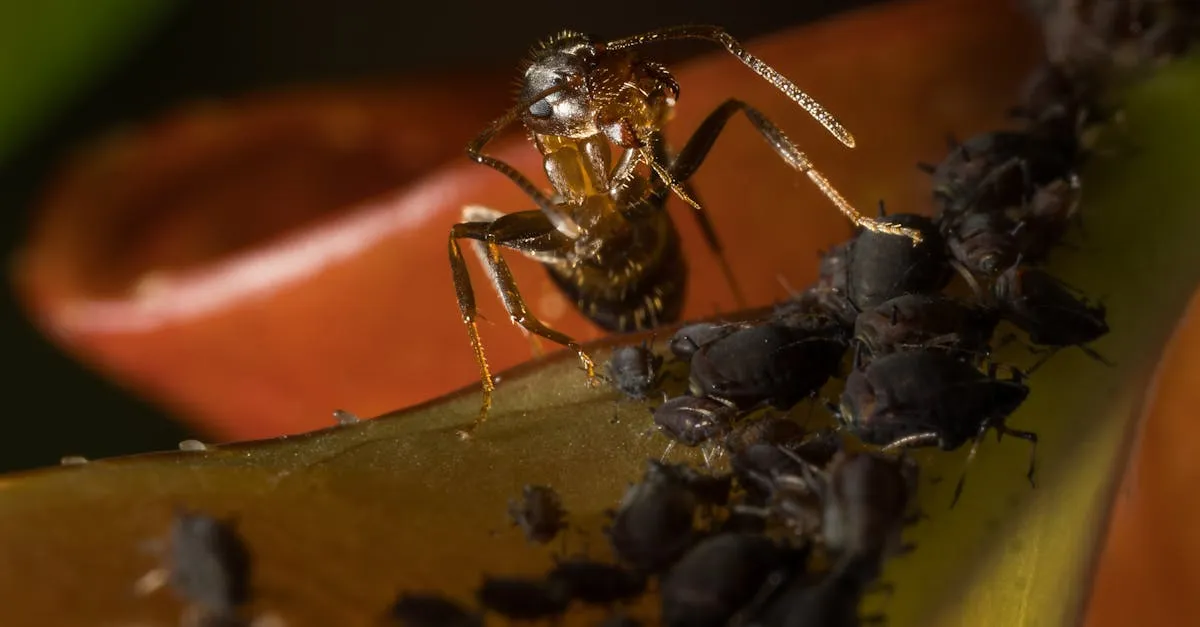
Scale insects on houseplants are easy to miss until the population is large, because they do not move and they do not look like insects. They appear as small brown or tan bumps clinging to stems and leaf undersides, and many people first mistake them for bark texture or harmless scabs. Spotting them early and committing to several treatment rounds matters more than any single product.
How to recognize scale insects on houseplants
Scale gives itself away by what it does not do: it does not run, jump, or fly when disturbed. Look for these signs in roughly the order you tend to notice them.
- Immobile bumps. Small, dome-shaped or oval lumps, usually 1/16 to 1/8 inch (1 to 4 mm) across, in brown, tan, or gray. They line up along stems, leaf veins, and the joints where leaves meet the stem.
- They do not brush off. Run a fingernail over one. Aphids and dust wipe away easily; scale resists and feels firmly stuck, anchored under a protective shell.
- Sticky honeydew. Soft scale excretes a sugary residue that leaves surfaces tacky. If you notice a sticky film on the leaves or the floor below, scale is a likely culprit.
- Black sooty mold. A dark coating grows on the honeydew. It does not attack the plant directly but blocks light and signals a sap-feeding pest is active.
- Slow decline. Yellowing leaves, stunted new growth, and loss of vigor as the colony drains sap.
Hard scale vs soft scale: which do you have?
Knowing which type you have changes what you do first.
Armored (hard) scale looks like flat, gray or brown discs pressed tightly against the stem. The outer shell is a separate structure built over the insect body, and it stays cemented to the plant even after the insect inside is dead. This is why many people conclude treatment has failed when it has actually worked: dead shells persist until you scrape them off. Armored scale does not produce honeydew, so no sticky residue is a useful clue pointing toward this type.
Soft scale is rounder and slightly waxy, lifts away as one piece with the insect still inside, and produces honeydew freely, which leads to the sticky plant surfaces and sooty mold described above.
Squash test: press a scale firmly with a fingernail or toothpick. A live insect releases a yellow-orange liquid. A dead one crumbles dry. Lucy Liu, at her London nursery, describes the tell more precisely: a dead shell scrapes away feeling hollow and flakes off like paper, whereas a live scale has some resistance. Do this before concluding that treatment failed.
Treatment implication: armored scale must be physically scraped or wiped before oil can penetrate to the insect below the shell. Soft scale responds to oil alone.
Where scale hides
The most-missed spots are the leaf midrib and the groove where the petiole meets the stem. On woody stems, check under any loose or flaking bark. Orchids tend to harbour scale in the pseudobulb grooves; cacti and succulents collect them at the areoles. Inspect in bright angled light or with a loupe: what looks clean at arm’s length often reveals a colony up close.
What crawlers are and why timing is everything
Crawlers are the newly hatched nymphs and the only mobile, shell-free stage in the scale life cycle. They are roughly 1/16 inch (1 mm) long and yellowish, and they look more like a mite than a scale insect. Within a day or two of hatching they settle on the plant, insert their mouthparts, and begin secreting a new shield. Once that shield forms, contact sprays cannot reach the insect underneath.
A single female can lay dozens to hundreds of eggs, and hatches are staggered over four to six weeks. This is why one treatment almost never clears an infestation: you hit one wave of crawlers, but the next batch hatches within two weeks. Lucy advises checking the lower stem and new shoots specifically for tiny translucent specks that move: those are crawlers from a fresh hatch, emerging well away from the main colony because the old shells shielded the eggs from the previous spray. Spotting them there confirms the next treatment round is due. Repeating every 7 to 14 days is not about killing the same insects twice; it is timed to intercept each new wave before shields form.
When to suspect it came in on a new plant
Scale travels on purchased plants, often looking indistinguishable from normal bark. If you found scale recently and added a new plant to your collection beforehand, that plant is the most likely source. Quarantining new plants before mixing them in stops this before it spreads. Also check any plants that were in touching distance of the infested one.
How to treat scale insects
Scale will not clear on its own, and a single spray rarely finishes the job. Isolate the plant first, then work through these steps.
- Scrape or wipe adults. Dip a cotton bud in 70% isopropyl alcohol and wipe each scale off. Test on one leaf first; concentrations above 70% can scorch thin leaves. For armored scale, physically scrape the shells away before applying oil, because the disc blocks penetration.
- Coat with horticultural oil. Apply neem oil or another horticultural oil to stems and both leaf surfaces. Oil smothers crawlers and any adults you missed; thorough coverage beats a higher concentration. See neem oil for houseplants for dilution ratios and safety notes.
- Repeat every 7 to 14 days for four to six weeks. This is where most treatments stall. One round knocks back the crawlers present that day, but the next wave hatches shortly after.
- Remove honeydew and sooty mold. Wipe down leaves with a damp cloth at each round; leaf cleaning doubles as a close-up inspection pass to catch missed colonies before they resettle.
The hand removal is what kills today’s scale. The repeat treatments are what stop next month’s.
Scale is easy to confuse with similar pests. Mealybugs are close relatives of soft scale but lack a hard shell entirely, which is why 70% alcohol kills them on contact while on scale it only kills the shell-free crawlers. Aphids cluster on soft new growth and scatter when touched; scale does neither.
How to know when scale is actually gone
The single mistake that lets scale return is stopping after the plant looks clean: dead shells linger on the stems, so trust the squash test rather than appearance, and keep to the 7 to 14 day schedule for the full four to six weeks even when you see nothing new. Run a fresh inspection of the leaf midribs, petiole joints, and any new shoots two weeks after your last treatment, and only call it cleared when two consecutive checks turn up no live crawlers. If the plant came from a recent purchase, quarantine the next new arrival from the start so you are not fighting the same battle again in a month.
Where to go next
Sticky Residue on Houseplant Leaves: What Honeydew Means
Why your houseplant leaves and the floor below them feel sticky, why honeydew almost always means a pest, and how to find and treat the cause.
Fungus Gnat Larvae: What They Look Like and How to Kill Them
Fungus gnat larvae live in the top few centimetres of soil and eat roots. Here is how to confirm you have them and the treatments that actually clear them.
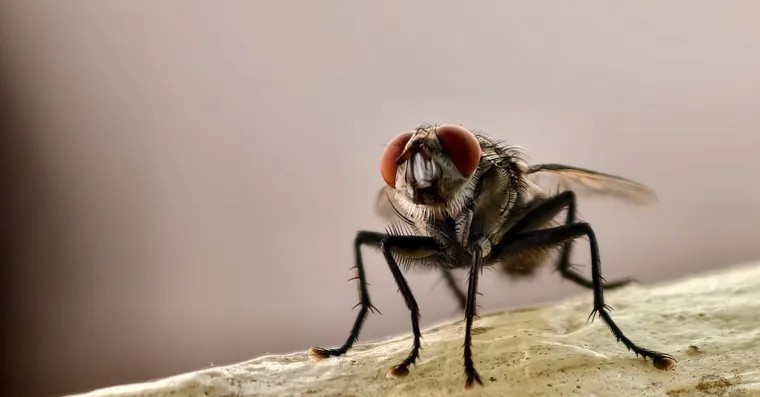
Fungus Gnats vs Fruit Flies: How to Tell Which You Have
Fungus gnats come from your plant pots, fruit flies come from the kitchen. They need completely different treatments, so identify before you treat.
Not sure what plant you have? Identify it from a photo and we will point you at its care guide.
Frequently asked questions
How do I know if scale insects are dead or alive?
Do the squash test: press a scale firmly with a fingernail or toothpick. A live insect releases a yellow-orange liquid. A dead one crumbles dry. Dead armored shells stay cemented to the plant long after treatment works, which is why people assume treatment has failed when it has not. Squash a sample before concluding the infestation is still active.
Why does scale keep coming back after I spray?
A spray kills the crawlers it contacts, but armored adults are shielded and eggs are unaffected. A single female can lay dozens to hundreds of eggs, and hatches are staggered over four to six weeks, so new crawlers emerge in waves. Each repeat treatment 7 to 14 days apart is timed to hit the next wave before nymphs form a new shell, not because the same insects survived the previous spray.
What is the difference between hard scale and soft scale?
Armored (hard) scale produces a flat, separate shell over the insect body. It does not produce honeydew, and the shell stays glued to the plant even after the insect is dead. Soft scale is rounder and slightly waxy, lifts off in one piece with the insect still inside, and produces honeydew freely. The practical difference: armored scale must be scraped before oil can reach the insect underneath, while soft scale responds to oil alone.
How long does it take to get rid of scale insects?
Expect a minimum of four to six weeks from first treatment to clear an established infestation. This is not because treatments act slowly but because female scale lay eggs in batches that hatch in staggered waves. You need three to four treatment rounds, each 7 to 14 days apart, to catch every wave of crawlers before they form shells. Six weeks is a realistic target for a moderate infestation; a heavy one on a woody plant may take longer.
Sources
- UC Statewide IPM Program: armored scales do not produce honeydew, whereas soft scales excrete abundant sticky honeydew that promotes sooty mold, and dead scales fail to exude fluid when squished.
- UC Statewide IPM Program: crawlers are the scale life stage most susceptible to insecticide, so treatment is timed to when most crawlers have emerged.