Sticky Residue on Houseplant Leaves: What Honeydew Means
Why your houseplant leaves and the floor below them feel sticky, why honeydew almost always means a pest, and how to find and treat the cause.
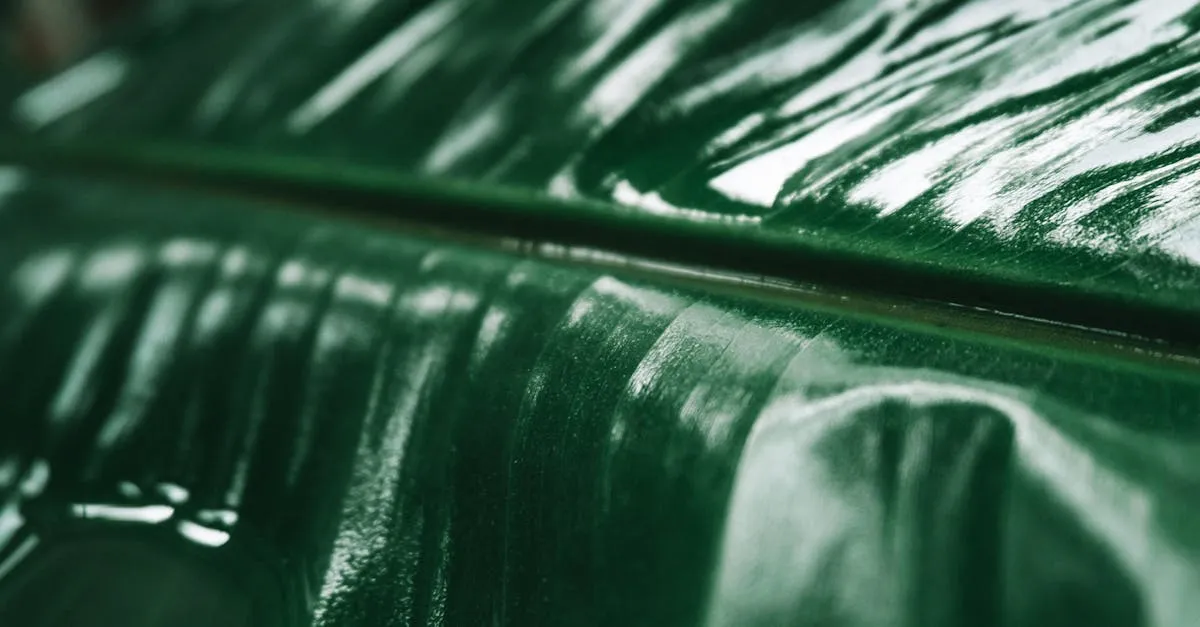
Sticky residue on houseplant leaves is a symptom, not a condition. It is honeydew: the sugary waste that sap-sucking insects excrete as they tap into a plant’s vascular system. It collects on leaf surfaces, stems, and anything directly below the plant, including your floor and windowsill. The fix is to identify and treat the pest, not to keep wiping.
Start here: check the floor first
If the stickiness is mostly on the floor, sill, or furniture below the plant rather than on the upper leaf surfaces, you have a hidden pest overhead. This is the classic scale presentation: the plant looks clean from above while honeydew drips down onto surfaces below. Before anything else, walk around the pot, tilt it slightly, and look up at every stem underside and leaf underside. Lucy Liu, at her London nursery, encountered this exact trap early in her career: the canopy looked pristine while the shelf beneath was a sticky mess, and she could find no insects anywhere on the plant. It was only when she flipped the lower, older leaves near the main stem that she found a flat tan colony of scale raining honeydew straight down onto the surface below. She now turns every leaf before drawing any conclusion. Pests concentrate exactly where you are least likely to look, so the inspection comes before any treatment decision.
Find the culprit
Work through this table before reaching for anything:
| What you see | Where to look | Likely pest |
|---|---|---|
| White cottony tufts | Leaf joints, stem crooks, new growth | Mealybugs |
| Immobile brown or tan bumps | Stems, leaf undersides near the midrib | Scale |
| Clusters of soft insects on new shoots | Shoot tips, flower buds | Aphids |
| Tiny white flies lift when you nudge the pot | Leaf undersides | Whitefly |
Spider mites can occasionally cause minor stickiness, but they do not produce meaningful honeydew. If you have a clear, copious, dripping residue, one of the four pests above is the cause.
When it is not a pest
Two harmless causes are sometimes mistaken for honeydew.
Guttation. Clear, slightly sticky droplets appear at leaf tips or margins overnight, particularly after heavy watering or in high humidity. They evaporate by mid-morning and leave no sooty mold behind. No action is needed.
Cut sap. A thick, localized sticky patch at a recent pruning wound is simply sap. Wipe it once and it stops. No sooty mold follows.
The distinguishing test is simple: if a black fungal crust develops on any sticky residue, it is not guttation and it is not wound sap. Sooty mold only grows on honeydew, which means a pest is feeding.
Why wiping the leaves is not a fix
Cleaning removes the visible residue for a day or two, then it returns because the insects are still feeding. Sooty mold grows on fresh honeydew and can recolonize a wiped leaf within days. The stickiness is not the problem; it is the signal. Identify the pest, treat it, and the honeydew stops at the source.
If the residue keeps coming back after you clean it, you have not found the pest yet. Look harder on stem undersides and deep inside leaf joints before wiping again.
Cleaning up once the pest is controlled
Only clean after the infestation is under control and no live insects have appeared for two full treatment cycles. Wipe leaves with a soft cloth dampened in lukewarm water. For sooty mold, add two drops of mild dish soap per liter of water to help lift the crust, then rinse each leaf with clean water; soap residue left on leaves blocks stomata and can cause its own damage. For the pest treatment itself, neem oil is a reliable starting point. Full technique is in how to clean houseplant leaves.
Sooty mold
If the black crust is what brought you here, the biology of sooty mold and full treatment options are covered in common houseplant diseases.
Turn the leaf before you reach for the cloth
The next time a leaf or the surface beneath it feels tacky, flip the lower, older leaves and check the stem undersides before doing anything else, because a wipe buys a day or two while the insect keeps feeding. Inspect every new plant the same way before it joins the others, since scale and mealybugs arrive unnoticed and spread to their neighbors. Warmth speeds their breeding, so a quick monthly leaf-flip from spring onwards catches a colony while it is still small enough to remove by hand.
Where to go next
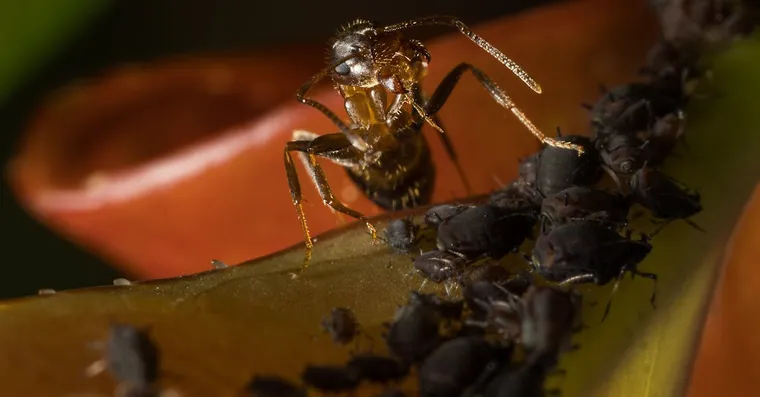
Scale Insects on Houseplants: How to Spot and Treat Them
How to identify scale insects, the small brown bumps on stems and leaves, and how to remove them and stop the sticky honeydew and sooty mold they cause.
Fungus Gnat Larvae: What They Look Like and How to Kill Them
Fungus gnat larvae live in the top few centimetres of soil and eat roots. Here is how to confirm you have them and the treatments that actually clear them.
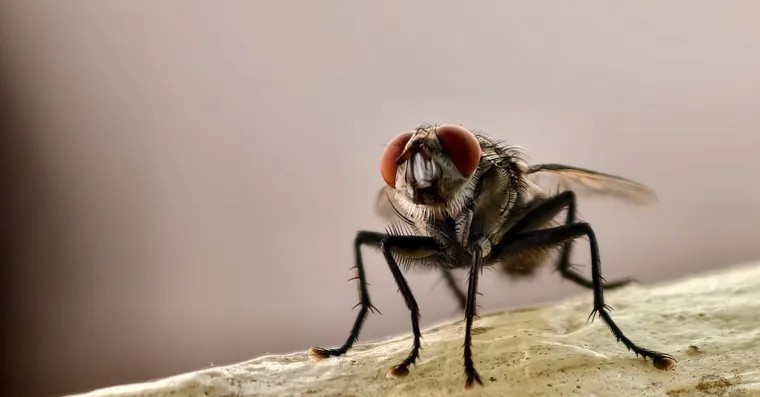
Fungus Gnats vs Fruit Flies: How to Tell Which You Have
Fungus gnats come from your plant pots, fruit flies come from the kitchen. They need completely different treatments, so identify before you treat.
Not sure what plant you have? Identify it from a photo and we will point you at its care guide.
Frequently asked questions
Why is there a sticky residue on my floor under my houseplant?
Sticky residue on the floor under a houseplant is almost always honeydew, the sugary waste produced by sap-sucking insects such as scale, mealybugs, aphids, or whitefly. The pest feeds on the plant overhead and the liquid drops onto surfaces below. Check the stems and the underside of every leaf, starting with the plant directly above the sticky patch.
What is the black stuff growing on my houseplant leaves?
The black coating is sooty mold, a fungus that colonizes honeydew. It does not feed on the plant itself, but a thick layer blocks light from reaching the leaf surface. Wiping it off is only temporary because the pest is still feeding and producing fresh honeydew. Treat the insect infestation first and the mold will stop recurring.
How do I clean sticky residue off leaves?
Add two drops of mild dish soap to 1 quart (1 L) of lukewarm water, wipe each leaf with a soft cloth, then rinse with clean water. Soap residue left on leaves can block stomata. Only clean once the pest is under control; if insects are still feeding, the residue will return within days.
Sources
- Royal Horticultural Society: with aphids, scale insects and mealybugs, excess sugars are excreted as a sticky substance called honeydew, which lands on leaves and stems and is colonised by sooty moulds.
- Royal Horticultural Society: sooty moulds grow on sugar-rich honeydew produced by sap-sucking insects and do not attack the plant directly, but a thick layer can reduce plant vigour by preventing photosynthesis.
- UC Statewide IPM Program: sooty mold grows on surfaces covered by honeydew and does not infect the plant, but can indirectly damage it by coating leaves so that sunlight cannot reach the surface.
- University of Missouri IPM: plants exude water from hydathodes on the margins or tips of leaf blades; at night, when humidity is high and stomata are closed, root pressure moves water to the leaves and transpiration cannot remove it.