Whitefly on Houseplants: Getting Rid of the Tiny White Flies
How to identify and get rid of whitefly on houseplants, the tiny white flies that lift off in a cloud when you disturb a leaf, without endless spraying.
Some links in this guide go to Amazon. As an Amazon Associate we earn from qualifying purchases, at no extra cost to you. How this works.
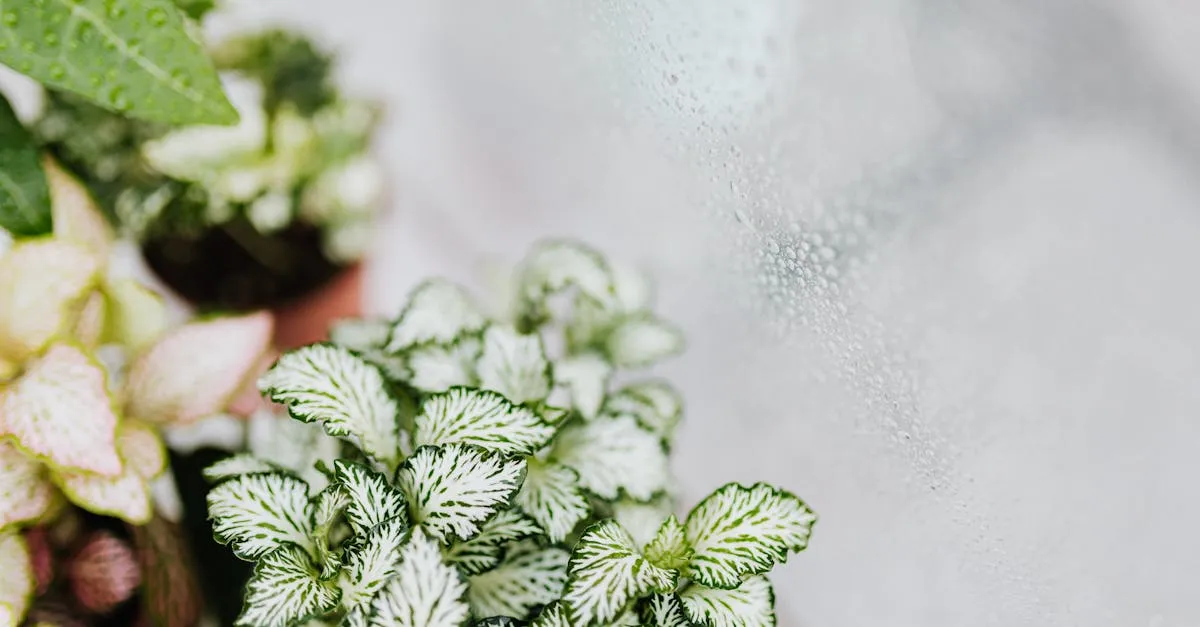
Whitefly on houseplants are easy to miss until you brush a leaf and a small cloud of white insects lifts off and resettles. They are not true flies but tiny sap-feeders that gather on the undersides of leaves, laying eggs and excreting sticky honeydew. The honest news up front: you will not clear them in one go. Eggs keep hatching after the adults are gone, so the job takes three to four weeks of repeat treatment.
How to know it is whitefly and not something else
The giveaway is movement from the foliage. Most houseplant pests sit still, but whitefly take flight.
- The cloud test. Brush or shake the plant. If a flurry of pinhead-sized white insects rises from the leaves and then resettles on them, that is whitefly. Nothing else does this from foliage.
- Leaf undersides. Turn leaves over. You will see the resting adults plus the immobile young stages, which look like flat, pale, translucent scales pressed to the surface, similar in early appearance to scale insects. The eggs sit in small clusters or faint rings.
- Honeydew and sooty mold. Whitefly drip a sugary residue that leaves leaves and nearby surfaces sticky, and a black sooty mold often follows. If you spotted sticky residue on the leaves before seeing the insects, this is a common cause. The mold itself is a common houseplant disease worth treating once the pest is under control.
- Not fungus gnats. Fungus gnats also produce a cloud of small flying insects, but the adults rise from the soil surface when you water or disturb the compost, not from the leaves. That origin point is the diagnostic. Whitefly always come up off the foliage.
- Not mealybugs. Mealybugs stay put as cottony white lumps and do not fly.
Which plants are most at risk
Fuchsia and coleus are the most susceptible indoors and tend to attract whitefly before anything else in your collection. Basil and other soft-leaved herbs on a bright windowsill are constant targets through the warmer months. Hibiscus and poinsettia are also high-risk. Hard-leaved plants such as rubber fig, ZZ plant, and cast iron plant are almost never affected. If you grow any of the susceptible types, flip a few leaves weekly before you see a cloud, because catching a handful of insects early is a very different job from clearing an established colony.
Vacuum first, then spray
For a heavy infestation, bring a handheld vacuum with a soft brush nozzle and run it slowly over both surfaces of every leaf in the morning, when the adults are cooler and slower to fly. Lucy Liu, at her London nursery, uses a narrow crevice nozzle held 2 to 3 inches (5 to 8 cm) from the foliage rather than flush against the leaf, and finds the cloud drops by around 80 percent on the next shake. If you try this on soft-leaved plants, maintain that small gap: suction held flat to thin tissue can bruise or tear it. Empty the bag immediately into a sealed bag and take it outdoors. This is a knock-down measure, not a cure, but removing a large portion of the adult population before your soap spray means far fewer insects to resist coverage when you treat the undersides. It makes that round considerably more effective.
Getting rid of whitefly on houseplants
Treatment works on two fronts at once: trap the flying adults and break the breeding cycle on the undersides of leaves. Doing only one of these is why infestations drag on.
- Isolate the plant first. Move it away from your other houseplants. Whitefly spread fast between touching foliage, and one untreated neighbor will reinfect everything.
- Yellow traps, not blue. Yellow sticky traps attract whitefly and also aphids. Blue traps are for thrips. Buying the wrong color from a mixed pack is a common mistake that costs you several treatment days. Stand a yellow trap in the pot or hang one just above the canopy; it removes egg-laying adults and shows you whether the population is falling week to week.
- Spray the undersides thoroughly. Insecticidal soap or a soft soap solution applied directly to the undersides of every leaf is the part that matters most. The soap only kills on contact, so coverage underneath is everything. Neem oil for houseplants is a reasonable alternative or addition; a neem oil spray works on the same schedule. Whatever you choose, treat in the evening or out of direct sun, and test a single leaf first, as some thin-leaved plants react badly to oils and soaps.
- Treat every 4 to 7 days. Each round clears the adults and nymphs that are currently exposed. Four to seven days later, the next wave of hatchlings is ready. Keep going for at least three to four weeks; stopping early lets the cycle restart.
One treatment never works, because the eggs you cannot kill today become the adults you see next week.
Why eggs and nymphs survive your spray
The flat, pale nymph stages pressed to leaf undersides have a thin waxy coat that deflects contact sprays on impact. The eggs are even more impervious. At typical indoor temperatures, egg to adult takes roughly 18 to 25 days, but generations overlap continuously: while you are killing the adults you can see, a fresh cohort of nymphs is already hatching, and those nymphs are weeks from laying eggs of their own. Treating every 4 to 7 days intercepts each new hatch before it reaches adulthood, cutting off the next generation. Miss a round by two weeks and the overlapping cycles mean the population can recover close to where it started.
Stopping them coming back
Once the plant tests clean, stay watchful for a couple of weeks before returning it to the group.
- Keep inspecting undersides. A weekly leaf-flip catches the next outbreak while it is still a handful of insects rather than a colony.
- Quarantine new arrivals. Most infestations arrive on a newly bought plant. Quarantining new houseplants for two to three weeks before placing them near your collection is the single most effective prevention measure.
- Do not crowd plants. Air movement and a little space between pots make it harder for whitefly to move between plants.
Keep spraying past the point it looks clean
The mistake that restarts almost every infestation is stopping the week the cloud disappears, because the eggs you could not kill are only days from hatching into the next batch of adults. Treat for the full three to four weeks and only call it done after two firm shakes a week apart raise nothing. Through the warmer months, keep flipping the leaves on your fuchsia, coleus, and windowsill herbs each week, so the next arrival is a handful of insects rather than another month-long campaign.
Where to go next
Fungus Gnat Larvae: What They Look Like and How to Kill Them
Fungus gnat larvae live in the top few centimetres of soil and eat roots. Here is how to confirm you have them and the treatments that actually clear them.
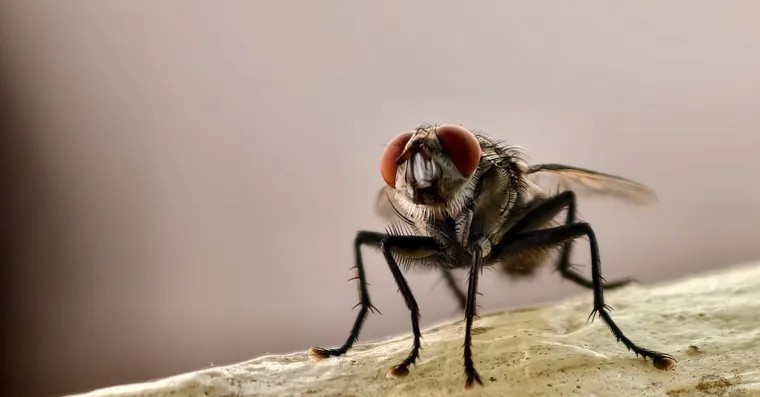
Fungus Gnats vs Fruit Flies: How to Tell Which You Have
Fungus gnats come from your plant pots, fruit flies come from the kitchen. They need completely different treatments, so identify before you treat.
BTI for Fungus Gnats: How Mosquito Bits Actually Work
Sticky traps only catch adult fungus gnats. BTI, sold as Mosquito Bits, kills the larvae in the soil and actually ends the infestation. How to use it right.
Not sure what plant you have? Identify it from a photo and we will point you at its care guide.
Frequently asked questions
How do I know it is whitefly and not fungus gnats?
Whitefly cloud up from the leaves when you brush the foliage. Fungus gnat adults also fly up in a cloud, but they rise from the soil surface when you water or disturb the pot, not from the leaves. That origin point is the reliable tell. If the insects come off the leaves, it is whitefly; if they come up from the compost, it is fungus gnats.
How long does it take to get rid of whitefly?
Expect three to four weeks of treatment. Spray every 4 to 7 days to intercept each new generation as it hatches. The infestation is not under control until a firm shake of the plant produces no rising cloud for two consecutive checks a week apart.
Why do whitefly keep coming back after I spray?
Contact sprays kill adults and exposed nymphs but do nothing to the eggs, which are impervious to soap and oil. Egg to adult takes roughly 18 to 25 days indoors, with generations overlapping continuously. If you stop treating before all overlapping cycles have run their course, the next hatch replenishes the colony. Treating every 4 to 7 days for the full three to four weeks is what breaks the overlap.
Do yellow sticky traps work for whitefly?
Yes, but as a supplement, not a standalone treatment. Yellow traps catch egg-laying adults and are a useful indicator of whether numbers are falling week to week. They do not reach the eggs and nymphs sheltering on the undersides of leaves, so soap sprays on the undersides are still necessary. Use yellow, not blue; blue traps are designed for thrips, not whitefly or aphids.
Sources
- Royal Horticultural Society: disturbing an infested plant sends up clouds of tiny white-winged adults, flat oval scale-like nymphs sit on leaf undersides, and both excrete honeydew that allows black sooty moulds to grow.
- UC Statewide IPM Program: yellow sticky traps can be posted to trap adult whiteflies.