Neem Oil vs Insecticidal Soap: Which to Use on Houseplant Pests
When to reach for neem oil and when insecticidal soap works better, a pest-by-pest verdict, and how to use each one without scorching your plants.
Some links in this guide go to Amazon. As an Amazon Associate we earn from qualifying purchases, at no extra cost to you. How this works.
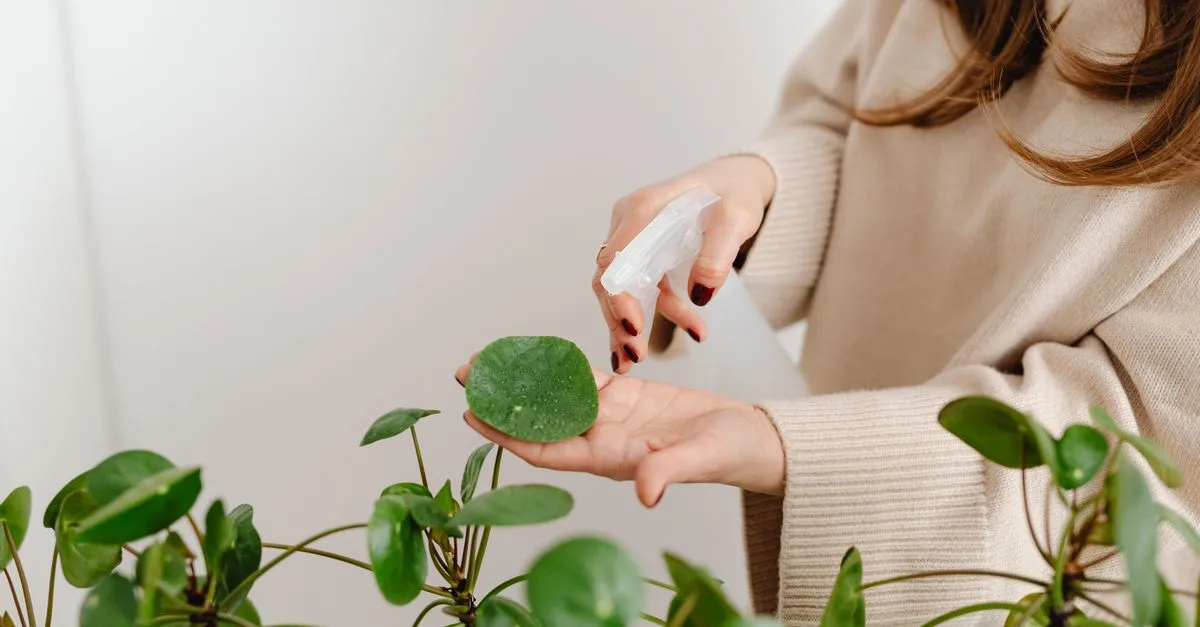
Neem oil and insecticidal soap both clear the soft-bodied pests that plague houseplants, but they work in opposite ways. Insecticidal soap kills on contact and fast, while neem oil works slowly over a week or two and keeps working after it dries. For a quick visible outbreak, soap is the simpler first reach. For a stubborn or recurring infestation, neem is the one that breaks the cycle.
Quick answer
Use insecticidal soap when you can see the pests and want a fast knockdown, especially aphids and whitefly. Use neem oil when an infestation keeps coming back, when eggs are involved, or when a fungal problem such as powdery mildew is present too. Many people use soap first for the immediate kill, then neem a few days later to follow through.
How each one works
The difference in how they act is the whole reason you would pick one over the other.
Insecticidal soap. Made from potassium salts of fatty acids, it kills soft-bodied pests on contact by breaking down their outer membranes, so they die within minutes of a thorough spray. The catch is that it has no residual action. Once it dries it does nothing, so it only kills what it physically touches.
Neem oil. It has two effects in one bottle. Neem oil contains azadirachtin, a natural compound that disrupts feeding and breeding so the population collapses over one to two weeks, and the oil itself smothers eggs and soft bodies on contact. That slow antifeedant action is what makes neem useful against pests that keep hatching. The full method is in our guide to using neem oil on houseplants.
Which to use for each pest
The right choice depends more on the pest than on which bottle you happen to own. Here is the first thing to reach for in each case.
| Pest or problem | First choice | Why |
|---|---|---|
| Aphids | Insecticidal soap | Soft and exposed, so they die on contact and you see results at once |
| Spider mites | Soap first, then neem | Soap knocks down the adults; neem breaks the egg cycle over the following weeks |
| Mealybugs | Spot-treat, then neem | A waxy coat shrugs off sprays, so dab them first and use neem to mop up |
| Whitefly | Insecticidal soap | A contact spray clears the adults; repeat every few days as new ones emerge |
| Scale crawlers | Neem oil | Its residual action reaches the mobile young; armored adults still need scraping off |
| Thrips | Both, on a schedule | A hard pest to clear, so alternate treatments and keep to the repeat dates |
| Powdery mildew | Neem oil | Soap does nothing to a fungus, while neem has a mild antifungal effect |
Two of these need a word of warning. Mealybugs and armored scale both have coatings that sprays struggle to get through, so on an established colony you are better dabbing them with a cotton bud first and using neem only to catch the stragglers. For the rest, the full pest guides cover the quirks: aphids, spider mites, whitefly, thrips, and powdery mildew.
Speed, residual, and smell
Beyond the pest list, three practical differences decide which is the nicer tool to live with.
Speed. Insecticidal soap is the faster of the two. Pests die within minutes of a thorough spray, so it is satisfying on a visible outbreak. Neem is slow by design, and results take one to two weeks to show.
Residual. Neem keeps working as an antifeedant after it dries, which is what breaks a breeding cycle. Soap stops the moment it dries, so coverage and repeat sprays matter even more with soap than with neem.
Smell. Neem smells garlicky and sulfurous, and the odor lingers for a day or two indoors. Insecticidal soap is close to odorless, which makes it the more pleasant option in an apartment or a small room.
Safety: test before you treat the whole plant
Both treatments can damage leaves if you are careless. Soap can scorch ferns, some succulents, and hairy-leaved plants, while neem can cook foliage if you spray it in direct sun or heat. The safe routine is the same for both: test one leaf, wait 24 hours, then spray in the morning out of direct sun and cover the undersides where pests hide. It is also worth ruling out problems a spray cannot fix, because plant stress from overwatering or underwatering is often mistaken for pest damage.
Can you use both?
Yes, as a program rather than a mixture. A sensible sequence is insecticidal soap for the first fast knockdown, then neem oil a few days later to break the breeding cycle, repeated weekly for three to four weeks. You do not need to combine them in one bottle, and spraying two treatments at once raises the scorch risk, so space them out and always test first.
The schedule clears the infestation, not the strength of the spray. Pick the right one for the pest, then repeat on time.
What to buy
You often need only one. For a single visible outbreak of soft-bodied pests, a bottle of insecticidal soap is the simpler buy, and a ready-to-use spray saves you mixing anything. For recurring problems, eggs, or a fungal issue alongside, a neem oil concentrate goes further per dollar once you emulsify it with a drop of mild dish soap. Buying both is only worth it if you are running the soap-then-neem program above.
Which spray to reach for
Insecticidal soap is the fast, gentle, contact killer for a visible outbreak, and neem oil is the slow, residual treatment that breaks a breeding cycle and helps with fungus. Match the bottle to the pest, test on one leaf first, spray the undersides in the morning out of direct sun, and repeat on schedule. For most people, one treatment used properly and on time clears the problem.
Where to go next
How to Use Neem Oil on Houseplants (Without Killing Them)
What neem oil does for houseplants, how to mix and apply it correctly, which pests and fungal problems it treats, and the mistakes that harm leaves.

How to Quarantine a New Houseplant (and Why It Matters)
Why every new houseplant should be isolated for a few weeks, what to check for, and how to quarantine a plant so one purchase does not infest your collection.
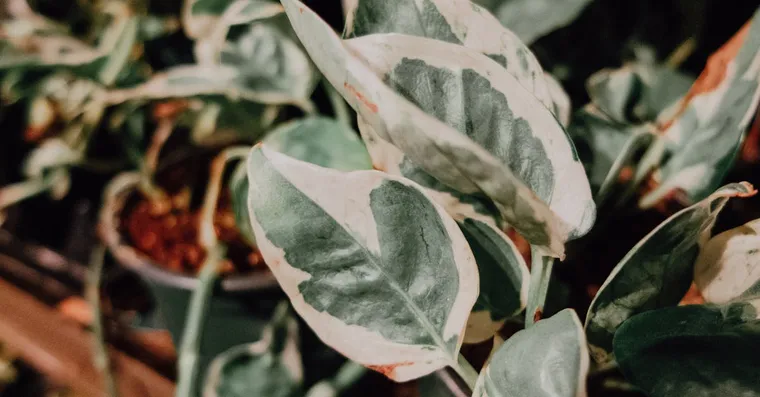
Mealybugs on Houseplants: How to Spot and Treat Them
Mealybugs look like specks of white cotton and spread fast. Isolate the plant, treat each cluster with rubbing alcohol on a cotton bud, and repeat weekly.
Not sure what plant you have? Identify it from a photo and we will point you at its care guide.
Frequently asked questions
Can I use neem oil and insecticidal soap together?
Yes, but as a program rather than mixed in one bottle. A common approach is insecticidal soap for a fast first knockdown, then neem oil a few days later to break the breeding cycle. Spraying two oily or soapy treatments at once raises the risk of scorching leaves, so space them out and test first.
Which is safer for beginners?
Insecticidal soap is easier to use indoors because it has almost no smell and does not carry neem's risk of scorching leaves in sunlight. Both can still damage sensitive, hairy, or waxy foliage, so test one leaf and wait a day before treating the whole plant.
Does insecticidal soap kill spider mites?
Yes, on contact, but it has no residual effect, so it only kills the mites it actually touches. Cover the undersides of leaves, repeat every few days, or follow up with neem oil to deal with eggs that hatch later.
Is insecticidal soap safe for all houseplants?
No. It can scorch ferns, some succulents, and plants with hairy or waxy leaves. Always test it on a single leaf and wait a day before spraying the whole plant.