Powdery Mildew on Houseplants: Causes, Treatment, and Prevention
Why powdery mildew appears on houseplant leaves, how to treat it quickly, which plants are most at risk, and how to stop it coming back.
Some links in this guide go to Amazon. As an Amazon Associate we earn from qualifying purchases, at no extra cost to you. How this works.
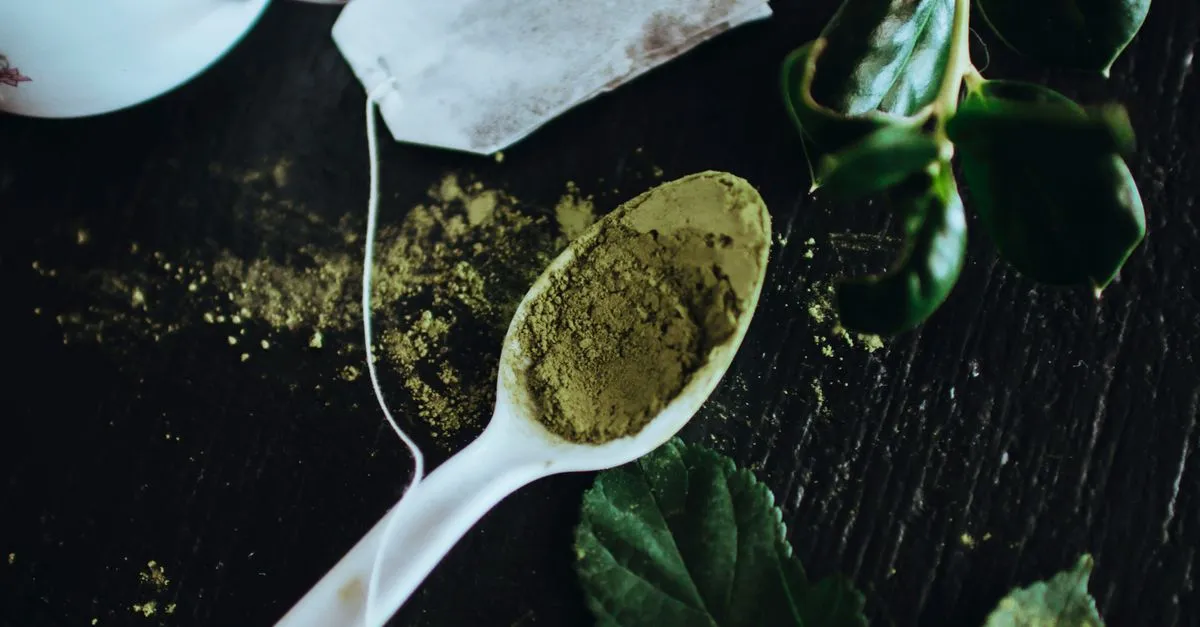
Powdery mildew on houseplants looks alarming, but it is rarely the disaster it appears to be. The white or gray dust on your leaves is a fungus, and unlike most plant fungi it spreads in dry, still air rather than soggy conditions. Catch it early, improve the airflow around the plant, and most mild cases clear up without any spray at all.
What powdery mildew actually is
Powdery mildew is a group of fungal diseases caused by various species in the Erysiphales order. The white or gray powder you see is the fungus producing spores on the leaf surface, and those spores drift through the air to land on nearby plants. This is the part that catches people out: most fungal problems need wet leaves and high humidity, but powdery mildew thrives in warm rooms with dry air and poor airflow. Crowded shelves and still, stuffy corners are exactly where it takes hold.
You will usually spot it first as small powdery patches on the upper surfaces of leaves, often near the center of the plant where air moves least. Left alone, the patches spread and merge, and the affected leaves start to distort, pale, and yellow. It is unsightly long before it is dangerous.
Which houseplants get it most
Some plants are far more prone than others. In rough order of how often it shows up indoors:
- Begonias. Probably the most common victim, especially in warm rooms with still air. See begonia care for the watering and airflow habits that keep them clear.
- African violets. Their fuzzy leaves and preference for warm, humid spots make them a regular target. African violet care covers their fussier needs.
- Kalanchoe. Succulent leaves are not immune, particularly when plants are packed close together.
- Cucurbits. If you grow cucumbers, courgettes, or melons indoors, they are notoriously susceptible and can pass spores to your other plants.
How to treat powdery mildew on houseplants
Work through these in order. The first two fix most cases on their own.
- Remove the worst leaves. Snip off any heavily coated or distorted leaves and throw them out, do not compost them. This removes the bulk of the spores in one go.
- Improve airflow. Move the plant somewhere less crowded, space your plants further apart, or run a small fan nearby. Moving air is what powdery mildew hates most.
- Lower the humidity if the room is very humid. Powdery mildew likes air that is humid but leaves that are dry. If your room sits above about 80% humidity, ventilate or run a dehumidifier.
- Try a homemade spray on what remains. A dilute bicarbonate of soda spray, 1 teaspoon per quart (1 L) of water, shifts the pH on the leaf so the fungus struggles. A dilute milk spray, 30 to 40% milk to water, works too, as the proteins have a mild antifungal effect. Test any spray on one leaf first, and keep it off African violet foliage, which marks easily.
- Use dilute neem oil for stubborn cases. Neem coats the leaf and disrupts the fungus, and it doubles as a pest treatment. See how to use neem oil on houseplants for the right dilution and timing.
Systemic fungicides do work, but they are overkill for a houseplant. Save them for a greenhouse crop, not a single begonia on a windowsill.
Powdery mildew is a ventilation problem wearing a fungus costume: fix the air and you fix most of it.
How to stop it coming back
Prevention is mostly about air and water habits.
- Keep air moving. Avoid cramming plants together and give each one breathing room.
- Keep water off the leaves. Water at the soil rather than over the foliage, especially on plants prone to mildew.
- Quarantine new plants. Powdery mildew arrives on new arrivals more often than people think, so isolate newcomers for a couple of weeks before they join the shelf.
For help telling this apart from other leaf problems, see common houseplant diseases.
Check the spot before you reach for a spray
The mistake that keeps mildew coming back is treating the leaves while leaving the plant in the same stuffy corner, so a clean plant gets reinfected within weeks. Before you decide a treatment has failed, ask whether the air around the plant has actually changed: a begonia with a hand’s width of space on every side and a little moving air will usually stay clear on its own. Watch for flare-ups when rooms turn warm and still in midsummer, or in autumn once the windows close, and open things up before the white patches appear rather than after.
Where to go next
Fungus Gnat Larvae: What They Look Like and How to Kill Them
Fungus gnat larvae live in the top few centimetres of soil and eat roots. Here is how to confirm you have them and the treatments that actually clear them.
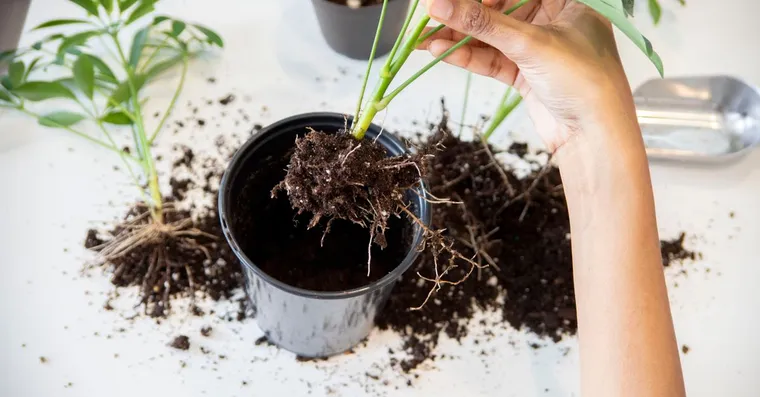
What Does Root Rot Look Like? Signs at Every Stage
Root rot is diagnosed at the roots, not the leaves. Here is what healthy and rotting roots look like, and which above-ground signs point to it.
Why Is My Monstera Turning Yellow? Causes and Fixes
Yellow leaves on a monstera usually mean a watering problem, but light, feeding, and age all matter; here is how to tell them apart.
Not sure what plant you have? Identify it from a photo and we will point you at its care guide.