African Violet Care: Getting It to Flower Year-Round
How to care for an African violet, with the light, bottom watering, and warmth that keep this compact plant flowering almost continuously indoors.
Some links in this guide go to Amazon. As an Amazon Associate we earn from qualifying purchases, at no extra cost to you. How this works.
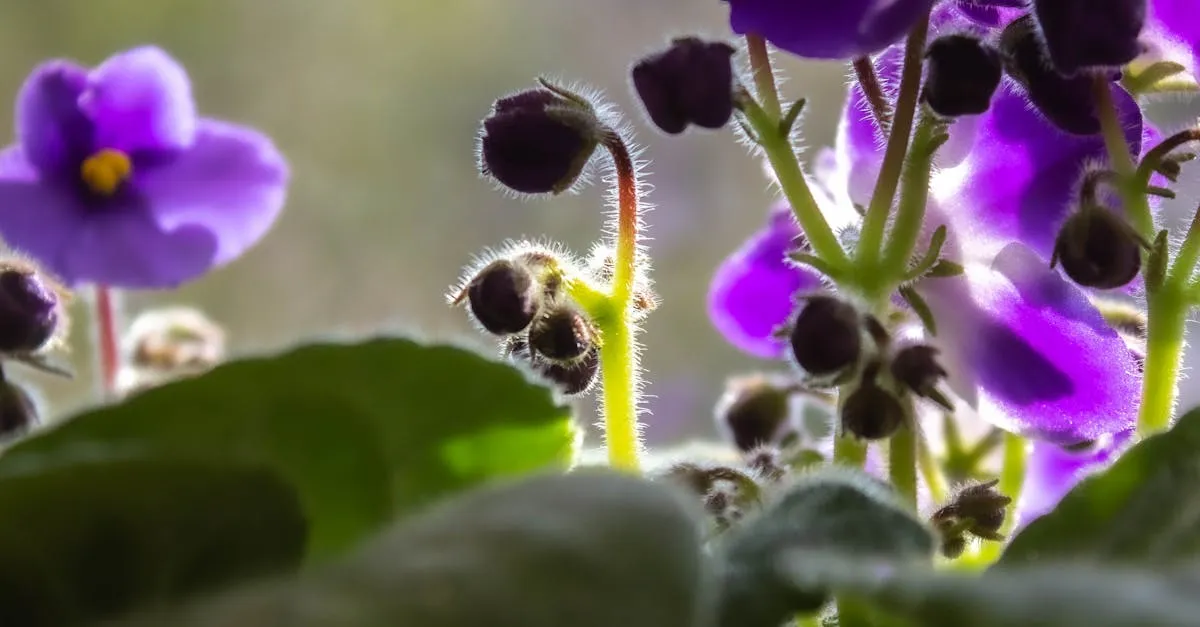
African violets have a reputation for being fussy, but most of the trouble comes from two habits: watering from the top and giving them too little light. Get those two things right and the rest of african violet care is genuinely easy. These are one of the few houseplants that will flower for most of the year, so if yours has stopped blooming, the plant is almost always telling you it needs more light.
Why light is the whole game
A healthy, well-fed African violet that refuses to flower is short of light nearly every time. People assume the plant is unhappy, or needs special feed, or is just being temperamental. It is usually sitting too far from a window.
Give it bright, indirect light for most of the day. An east-facing windowsill is close to ideal: gentle morning sun, then bright light without harsh rays. A north-facing sill works in summer but often goes too dim in winter. Direct midday sun through glass will scorch the leaves and leave pale, bleached patches, so a sheer curtain on a south or west window is the fix.
The tell-tale signs are easy to read. A plant reaching upward with long leaf stems and few flowers wants more light. Compact growth with leaves lying flat in a tidy rosette, and a steady supply of buds, means you have it right. If a good window is not an option, a small grow light on for 12 to 14 hours a day will keep them blooming through a dark winter.
A bloom shortage is a light shortage until proven otherwise.
Watering from below to keep the leaves dry
The fuzzy leaves are the reason watering matters so much. Those fine hairs trap water, and water sitting on a leaf in indirect light leaves permanent pale rings and spots. Cold water makes this worse, because the sudden temperature drop damages the leaf cells where it lands. This is why African violets get spotted leaves when nobody seems to have done anything wrong.
The simplest answer is to water from below. Stand the pot in a saucer or bowl of room-temperature water for 20 to 30 minutes, let the soil draw up what it needs, then tip away whatever is left so the pot never sits in water. This keeps the foliage completely dry and waters the roots evenly.
If you prefer to water from above, aim the spout at the soil, not the crown, and use room-temperature or slightly warm water. Never use cold water straight from the tap. Let the top of the compost dry slightly between waterings; these plants like to be kept just moist, not wet, and not bone dry.
Crown rot, the quiet killer
More African violets die from crown rot than from anything else, and it comes straight from overhead watering. When water pools in the dense center of the rosette where the leaves meet the stem, that crown stays wet, and in the warm conditions the plant likes it quickly turns soft and brown. By the time you notice, the center often collapses and the plant cannot be saved.
Watering from below removes the cause entirely. If you do splash the crown, dab it dry with a tissue. Good airflow and a pot that drains freely both help, since wet compost and stale air feed the same rot. If you spot mushy, darkening growth at the center, this is the same underlying problem as wider root rot, and you act the same way: cut back to firm, healthy tissue and let the plant dry out.
Warmth, feeding, and potting
Warmth. African violets want steady room temperature, around 65 to 75°F (18 to 24°C), with no cold drafts or chilly windowsills at night. They flower best when they are not swinging between hot and cold.
Feeding. During active growth, feed every two to four weeks with a balanced or bloom-focused houseplant feed at half the stated strength. A plant in good light that is fed lightly and regularly is the one that flowers without a break. Stronger doses do more harm than good. For another compact flowering houseplant with a knack for reblooming, kalanchoe care follows a similar rhythm of bright light and reduced watering to trigger a second flush.
Potting. They flower most freely when slightly snug in their pot, so resist sizing up too soon. Use a light, free-draining mix; an African-violet or peat-free houseplant compost with some perlite suits them well. A shallow pot matches their small root system.
Keeping the flowers coming through winter
The mistake that catches most people is leaving a violet on the same sill all year and wondering why it stops blooming once the days shorten. Before changing anything else, move it closer to the brightest window or run a grow light for a few extra hours from about October onwards, and keep watering from below so a slower, dimmer-lit plant never sits wet. A tidy flat rosette with fresh buds showing in the center is your sign the light and watering are both right.
Where to go next
Bottom Watering Houseplants: How and When to Do It
How to water houseplants from the bottom, which plants it suits, and an honest take on whether bottom watering really beats watering from the top.
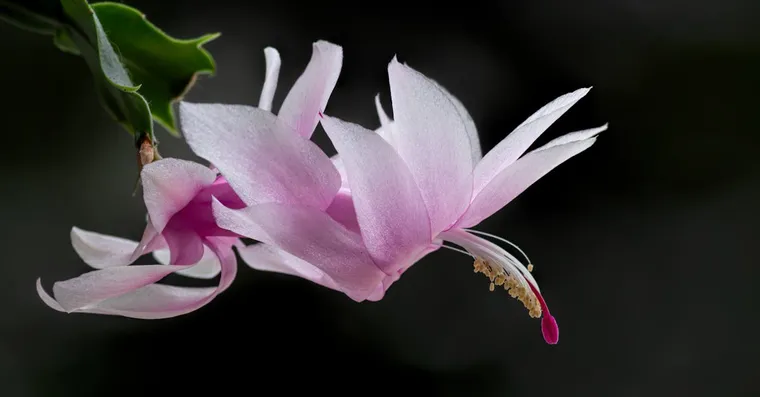
Christmas Cactus Care: Getting It to Bloom Each Year
A care guide for the Christmas cactus (schlumbergera), with watering unlike a desert cactus and the cool nights and darkness that trigger flowering.
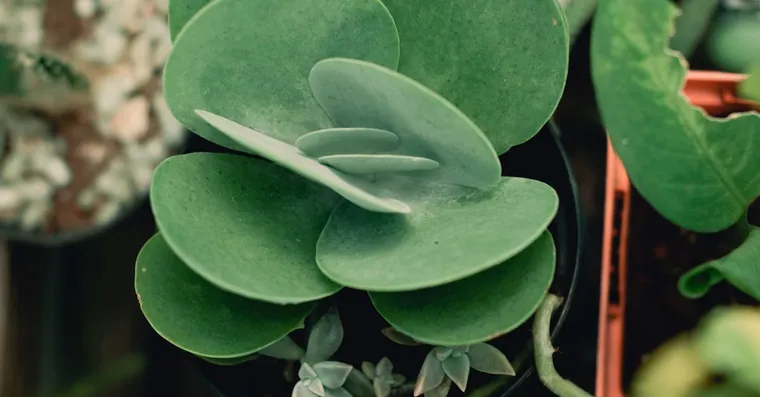
Kalanchoe Care: Watering, Light, and Getting It to Rebloom
Learn how to water and light a kalanchoe like the succulent it is, plus the darkness trick that forces it to flower again.
Not sure what plant you have? Identify it from a photo and we will point you at its care guide.