Kalanchoe Care: Watering, Light, and Getting It to Rebloom
Learn how to water and light a kalanchoe like the succulent it is, plus the darkness trick that forces it to flower again.
Some links in this guide go to Amazon. As an Amazon Associate we earn from qualifying purchases, at no extra cost to you. How this works.
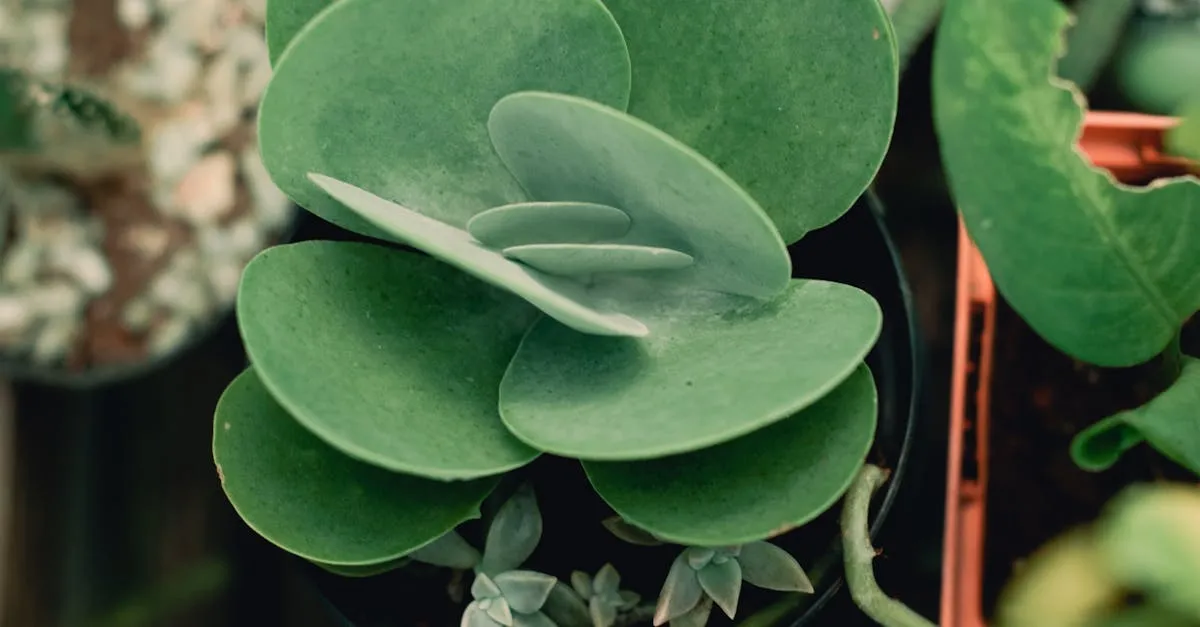
Most kalanchoe plants are sold in full bloom, wrapped in foil, and treated as a throwaway gift that gets binned once the flowers fade. That is a waste, because kalanchoe care is genuinely easy and the plant is a long-lived succulent that will rebloom year after year. The honest truth is simple: give it bright light, water it sparingly, and trick it with darkness once a year, and one supermarket plant can last a decade.
What kalanchoe actually is
The plant you see in shops is almost always Kalanchoe blossfeldiana, a succulent from Madagascar. That word, succulent, is the key to everything. It stores water in its thick, glossy leaves, which means it wants the same treatment as a jade plant or an echeveria, not the constant moisture of a fern.
Shops force it into bloom and sell it as seasonal color, so the care label, if there is one, rarely tells you it is a perennial. It is. Once the showy clusters of tiny flowers fade, you have a perfectly good succulent that will flower again with the right routine.
Light: the part that matters most
Bright, direct light. Kalanchoe wants the brightest spot you have. A south or west-facing windowsill is ideal, and a few hours of direct sun keeps the plant compact and the colors strong. This is the single biggest factor in keeping it healthy.
Too little light, and it stretches. In a dim corner the stems elongate and lean towards the window, leaves space out, and flowering stops. This is etiolation, and it is the most common reason a kalanchoe looks leggy and sad. Move it closer to the glass.
No bright window? Use a grow light. If your home is genuinely dark, a grow light on for ten to twelve hours will keep it sturdy, though you will need to manage that carefully when it is time to rebloom (more on that below).
How to water without rotting it
Water only when the soil is dry. Push a finger in: if the top inch or two (3 to 5 cm) are dry, water thoroughly until it runs from the drainage hole, then empty the saucer. In practice that is roughly every one to two weeks in summer and much less in winter.
Never leave it sitting in water. Soggy roots are how most kalanchoe plants die. The leaves go soft, yellow, and translucent, which people mistake for thirst and then water more, finishing the plant off. If yours feels mushy at the base, suspect root rot, not drought.
Use a gritty mix and a pot with drainage. A cactus or succulent compost, or ordinary potting mix cut with perlite or grit, drains fast enough to keep the roots safe. A terracotta pot helps further by wicking moisture away.
When in doubt, leave it dry: a thirsty kalanchoe recovers in a day, a waterlogged one rarely recovers at all.
How to get a kalanchoe to rebloom
This is the step most people miss, and it is the reason the plant gets thrown out. Kalanchoe is a short-day plant: it sets flower buds only after several weeks of long nights. Through summer it simply will not bloom indoors, no matter how healthy it is.
- Give it a dark rest. For six weeks, starting in autumn, keep the plant in complete darkness for about fourteen hours each night. A cupboard, an unused room, or a box over the plant from early evening until morning all work. Even a brief light at night can reset the clock, so be strict.
- Bright light by day. During those weeks, return it to a bright window for the daytime hours.
- Keep it cool and dry. Around 60 to 65°F (15 to 18°C) and sparing water during this period encourages budding.
- Resume normal care once buds appear. Bring it back to its bright spot, and the flowers will open over the following weeks and last for a month or more.
Feed lightly. A diluted, balanced feed once a month through spring and summer is plenty. Stop feeding during the dark-rest period.
One note of caution: kalanchoe is toxic to cats and dogs, so keep it out of reach if you have pets.
Mark your calendar for the autumn blackout
The one thing that separates a kalanchoe that blooms once from one that flowers for a decade is whether you remember to start the six-week dark treatment in autumn, so put a note in your diary now rather than trusting yourself to recall it. Treat the faded flowers not as the end but as the cue to cut them back, ease off the water, and keep the plant in its bright spot until the nights draw in. Get that rhythm right and you will have color returning every winter from a plant that cost you the price of a bunch of flowers.
Where to go next
African Violet Care: Getting It to Flower Year-Round
How to care for an African violet, with the light, bottom watering, and warmth that keep this compact plant flowering almost continuously indoors.
7 Best Houseplants for a Sunny Window
A hot, south-facing windowsill kills shade lovers but suits sun worshippers. These seven houseplants want the bright, direct light a sunny window gives.
Christmas Cactus Care: Getting It to Bloom Each Year
A care guide for the Christmas cactus (schlumbergera), with watering unlike a desert cactus and the cool nights and darkness that trigger flowering.
Not sure what plant you have? Identify it from a photo and we will point you at its care guide.
Frequently asked questions
Why has my kalanchoe not flowered since I bought it?
Because it is a short-day plant and has not had long enough nights to set buds. Kalanchoe forms flower buds only after several weeks of long nights, so through summer it will not bloom indoors no matter how healthy it is, and the bloom you bought was forced by the grower. To get it back, give the plant about fourteen hours of complete darkness each night for six weeks starting in autumn, with a bright window through the daytime hours, cool conditions around 60 to 65°F (15 to 18°C), and sparing water. Even a brief light at night can reset the clock, so be strict.
How often should I water a kalanchoe?
Only when the soil is dry. Push a finger in, and if the top inch or two (3 to 5 cm) are dry, water thoroughly until it runs from the drainage hole, then empty the saucer. In practice that is roughly every one to two weeks in summer and much less in winter. Never leave it sitting in water: soggy roots are how most kalanchoe plants die, and the soft, yellow, translucent leaves that follow get mistaken for thirst and watered again. When in doubt, leave it dry.
Why is my kalanchoe leggy and stretched?
Not enough light. In a dim corner the stems elongate and lean towards the window, the leaves space out and flowering stops. That is etiolation, and it is the most common reason a kalanchoe looks leggy and sad. Move it closer to the glass, because it wants the brightest spot you have, ideally a south or west facing windowsill where a few hours of direct sun keep it compact. If your home is genuinely dark, a grow light on for ten to twelve hours will keep it sturdy.
Is kalanchoe toxic to cats and dogs?
Yes. The ASPCA lists kalanchoe as toxic to dogs and toxic to cats, and gives the toxic principle as bufodienolides. The clinical signs it records are vomiting and diarrhea, with abnormal heart rhythm in rare cases. Because abnormal heart rhythm is a listed clinical sign, keep this plant out of reach and treat a pet that has eaten a quantity of it as a reason to ring your vet rather than watch and wait.