Succulent Care for Beginners: Growing Succulents Indoors
A straightforward guide to keeping indoor succulents alive, covering light, watering, soil, and the beginner mistakes that kill them fastest.
Some links in this guide go to Amazon. As an Amazon Associate we earn from qualifying purchases, at no extra cost to you. How this works.
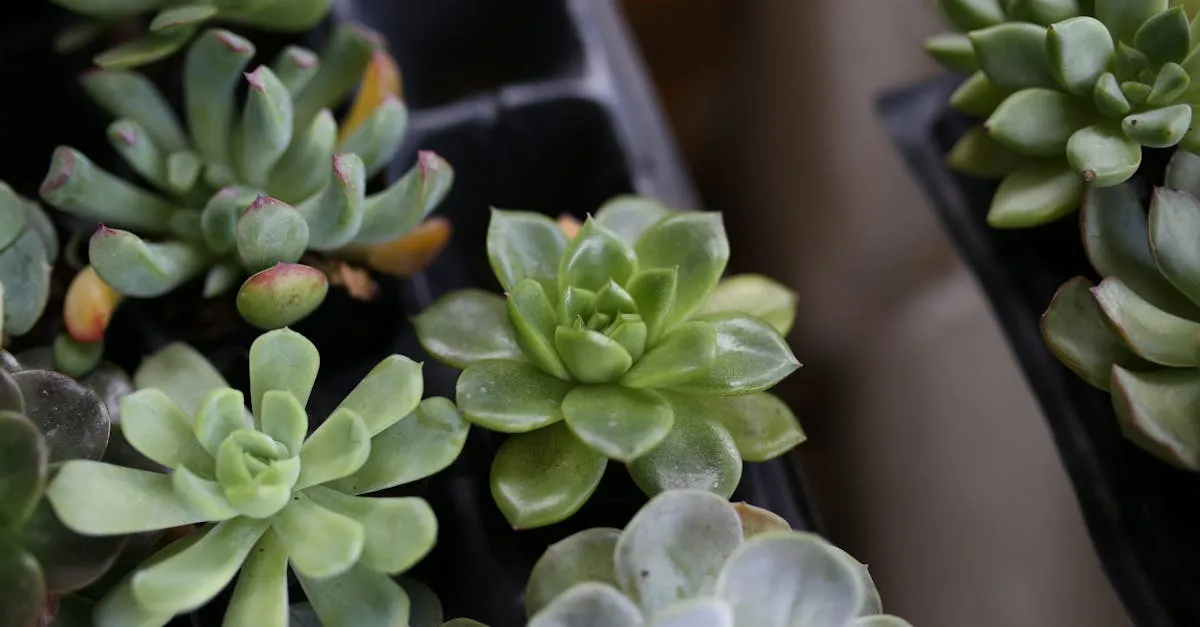
Most beginner succulents do not die from neglect. They die from kindness: too much water, and not enough light to use it. If you are looking at succulent care for beginners indoors, the honest starting point is this: succulents are easy plants in the wrong place and difficult plants in the right hands. Get the location right and the routine almost takes care of itself.
Why beginner succulents really fail
When a succulent fails, the cause is nearly always one of two things, and they often work together.
Too little light. This is the biggest one. Succulents evolved in bright, open places and want several hours of direct sun. Most homes, even ones that feel bright to you, deliver far less than a windowsill suggests. A plant in weak light cannot process the water it is given, so it sits wet and slowly rots.
Too much water. A succulent stores water in its leaves and stems, so it can go a long time between drinks. Watering on a schedule, or whenever the soil looks dry on top, keeps the roots constantly damp. Damp roots in poor light lead to root rot, which is the quiet killer behind most beginner losses.
The wrong soil and pot. Standard houseplant compost holds water like a sponge. A succulent in that mix, in a pot with no drainage hole, has no way to dry out. This turns an occasional watering mistake into a permanent one.
The honest truth about light indoors
Most homes do not have enough light for succulents to truly thrive long term. They will survive for months, sometimes longer, but they slowly stretch, pale, and lose their compact shape. That stretching has a name, etiolation, and it is the plant reaching for light it cannot find. You can read more in why is my succulent stretching.
The brightest spot you have is usually a south or west facing window, right against the glass. If your plant is more than 3 feet (1 m) back, or behind a sheer curtain, it is probably underlit. If you want compact, colorful succulents and your windows cannot deliver, a grow light is the only reliable fix. This is not a marketing upsell. It is simply what the plant needs.
A simple routine that works
Once the location is sorted, the care itself is minimal.
Light. Give your succulent the brightest window you have, ideally with a few hours of direct sun. Turn the pot every week or two so it grows evenly rather than leaning.
Water. Soak the soil thoroughly, then leave it completely alone until it is bone dry all the way through. Check by pushing a finger deep into the pot, or lift the pot and feel the weight. In a bright room this might mean watering every two to three weeks; in winter, much less. The full method is in how often to water succulents.
Soil and pot. Use a gritty, fast draining mix, or cut standard compost with plenty of perlite or coarse sand. Always pot into something with a drainage hole.
Feeding. Succulents need very little. A weak, balanced feed once or twice over spring and summer is plenty.
When in doubt, do nothing: a thirsty succulent recovers in a day, a waterlogged one often does not recover at all.
Easy succulents to start with
Some succulents forgive beginners more than others. Start with aloe vera or a jade plant, both tough and slow to complain. Haworthia tolerates slightly lower light than most, which makes it a sensible choice for an average room. Echeveria gives you the classic rosette, but it is the hungriest for light, so only choose it if you have a genuinely sunny window. If you have picked up a plant without a label and are not sure what you have, how to identify a houseplant covers the practical methods and the best apps.
Where to go next
This guide is the starting point. For the seasonal shift that catches most people out, see succulent winter care, when watering drops sharply and many succulents rest. Once you have a healthy plant, propagating succulents from leaves and cuttings is easy and free.
The first move when a succulent starts to look unwell
When a succulent goes soft, pale, or leggy, resist the urge to water it. Nine times out of ten the answer is more light, not more moisture, so move it closer to your brightest window before you change anything else. Give it a few weeks in a better spot and let the soil dry fully between drinks, and most struggling plants quietly sort themselves out.
Where to go next
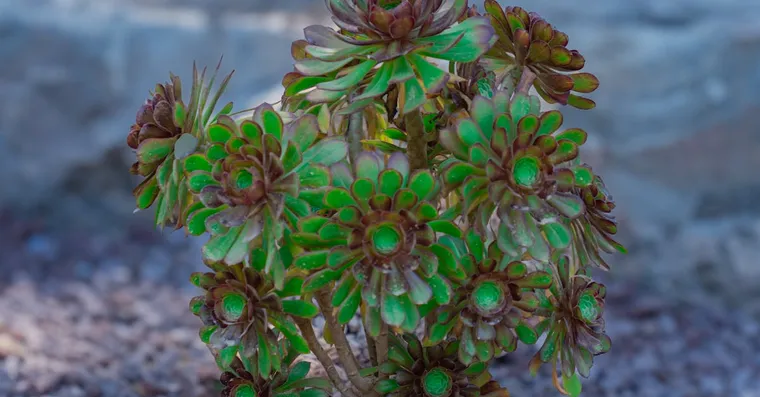
Aeonium Care: Growing Black Rose and Other Varieties
How to care for aeonium succulents including the dark Zwartkop, with advice on their summer dormancy, watering, and light needs.
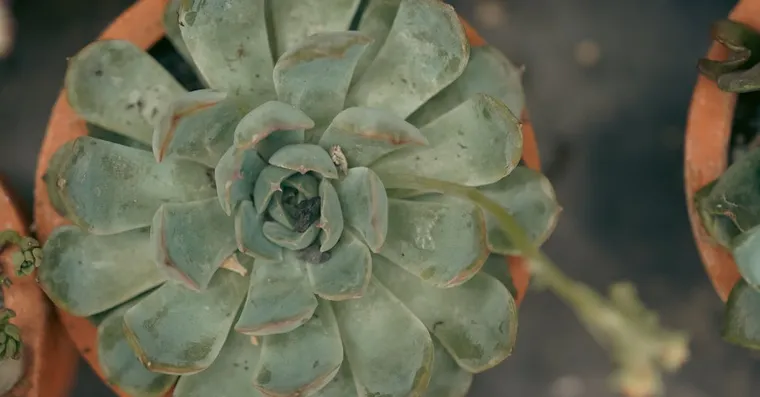
Echeveria Care: Keeping the Rosette Succulent Colorful
How to care for echeveria succulents indoors and out, with advice on light, watering, soil, and keeping their rosettes tight and bright.
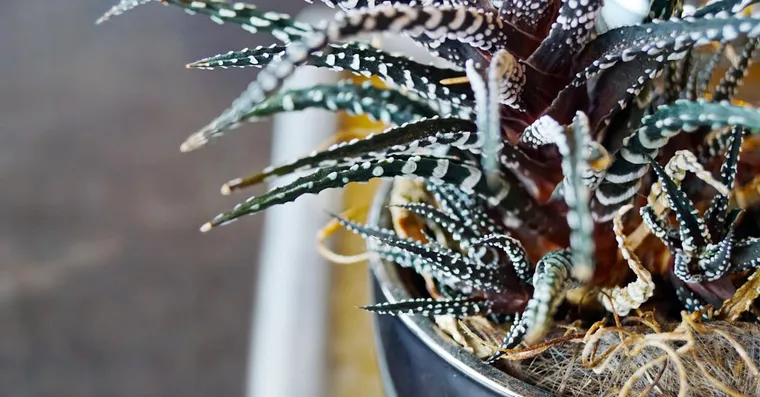
Haworthia Care: Growing the Zebra Succulent Indoors
A care guide for haworthia, the zebra succulent, covering its tolerance for lower light, careful watering, and slow, tidy growth.
Not sure what plant you have? Identify it from a photo and we will point you at its care guide.