7 Best Houseplants for a Sunny Window
A hot, south-facing windowsill kills shade lovers but suits sun worshippers. These seven houseplants want the bright, direct light a sunny window gives.
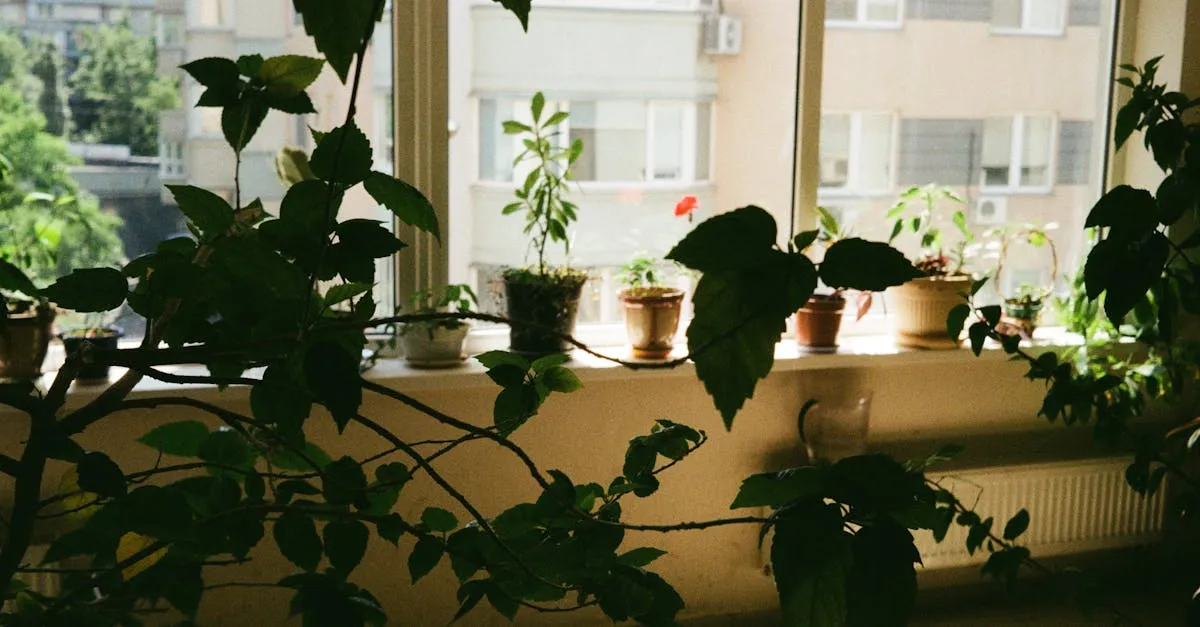
Most houseplants sold as easy growers actually want bright but indirect light, which is why a south or west window that gets hours of direct sun can leave them bleached and crisp. The plants below are different: they evolved in deserts, on rocky slopes, or in open scrub, so they genuinely want that intensity. They are ordered roughly toughest first, starting with plants that shrug off neglect and ending with a couple that reward a little more attention.
How these plants were chosen
The brief here is narrow: a window that gets several hours of direct sun a day, the kind that scorches a typical pothos or calathea. Every plant on this list either tolerates or actively prefers that. The priority was drought tolerance, since strong light dries soil fast, followed by genuine sun tolerance rather than mere brightness tolerance. I have leaned heavily on succulents and desert plants because that is what honestly thrives in those conditions, and I have noted where a plant still needs gradual acclimating to avoid burning.
The best plants for a sunny window, toughest first
Aloe vera
Aloe barbadensis. This is the plant to start with if your window bakes, because it stores water in its thick leaves and asks for very little. Give it free-draining soil and water only when the soil has dried out completely, roughly every two to three weeks in summer and far less in winter. The leaves stay plump and upright in strong light; if they flatten or stretch, it wants more sun, not less. See the Aloe vera care guide for repotting and pup removal. One caveat: aloe is mildly toxic to cats and dogs if eaten, so keep it off low sills in a pet home.
Jade plant
Crassula ovata. A jade plant develops its best color and compact, tree-like shape in direct sun, and the leaf edges often blush red when light is strong. It is a true succulent, so let the soil dry fully between waterings and use a gritty mix to keep the roots dry. Overwatering, not underwatering, is what kills most jades, so err towards neglect. The jade plant care guide covers shaping and the common reasons it drops leaves. Note that it is toxic to pets.
Echeveria
Echeveria spp. These rosette succulents need bright direct light to stay tight and colorful; without it they stretch and pale, a process called etiolation. A sunny windowsill is close to ideal, though they appreciate some airflow to keep the rosette dry. Water at the base rather than over the leaves, and only when the soil is bone dry. The echeveria care guide explains how to keep the rosette compact, and you can read more on why succulents stretch in low light. They are non-toxic, which makes them a safer pet-home choice than jade or aloe.
Snake plant
Dracaena trifasciata. Famous as a low-light survivor, the snake plant is more adaptable than people realize and grows faster and stiffer in bright direct sun. It tolerates long gaps between waterings thanks to its thick rhizomes, so treat it like a succulent and let it dry out fully. Move it into strong light gradually, as leaves grown in shade can scorch if shifted straight to a hot window. The snake plant care guide has the full watering schedule. It is mildly toxic to cats and dogs.
Yucca
Yucca elephantipes. An indoor yucca wants as much direct light as you can give it and will look tired in anything less. Its sword-shaped leaves handle heat well, and it stores water in a thick trunk, so it copes with infrequent watering. The main risk is root rot from overwatering in a pot that stays damp, so use a heavy, free-draining mix and a pot with drainage. The yucca care guide covers avoiding that exact problem. The leaf tips are sharp, which is worth knowing around children.
Croton
Codiaeum variegatum. The croton is the first plant here that is fussier than tough, and it earns its place because it actually needs strong light to hold its red, orange, and yellow color. In dim conditions the leaves revert towards plain green. Unlike the succulents above, it wants steady moisture, so do not let it dry out completely, and keep humidity reasonable. It dislikes sudden change and will drop leaves if moved or chilled, as the croton care guide explains. It is toxic to pets and its sap can irritate skin.
String of pearls
Curio rowleyanus. This trailing succulent wants bright light to keep its beads plump and the strands full rather than sparse, making a sunny window a good home if you can hang or perch it there. The beads store water, so it needs the same dry-out-fully approach as other succulents and rots quickly if kept wet. It is the most delicate plant here, with fragile strands and a dislike of being moved often. The string of pearls care guide covers watering the shallow roots. It is toxic to pets.
Acclimate before you blame the window
Even genuine sun lovers can burn if you move them straight from a shop or a shadier spot into hours of direct light. Their existing leaves grew under different conditions and need a week or two to adjust.
The giveaway that a plant is in the wrong place is a bleached or scorched patch on the leaves facing the glass, not on the shaded side.
Introduce a new plant gradually, giving it morning sun first and building up, and follow the steps in acclimating a new houseplant. If you do see pale, dry patches, move the plant back slightly and read up on leaf sunburn, since scorched tissue will not recover and only new growth comes in clean.
Let the soil, not the season, set your watering
The thread running through all seven is the same: strong sun dries the top of the pot quickly, which tempts overwatering, yet root rot kills these plants far more often than thirst does. Wait until the soil is dry well below the surface before you water, and cut right back from autumn onwards, because the light weakening through a winter window means the same plant needs a fraction of what it drank in July.
Where to go next
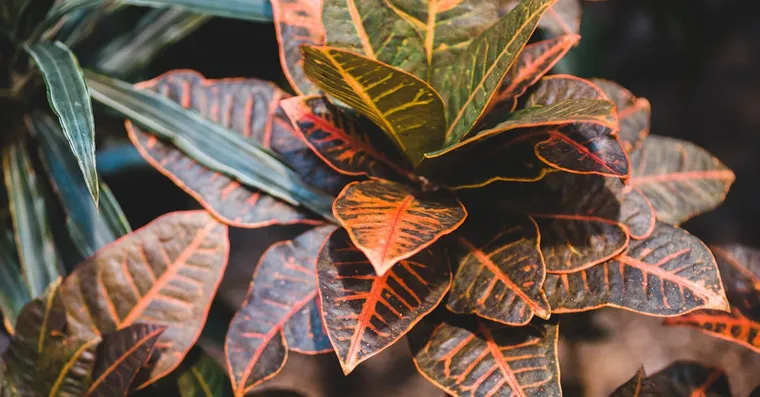
Croton Care: Keeping the Color Without Dropping Leaves
How to care for a croton indoors, with the bright light that keeps its leaves colorful and the stable conditions that stop it dropping them.
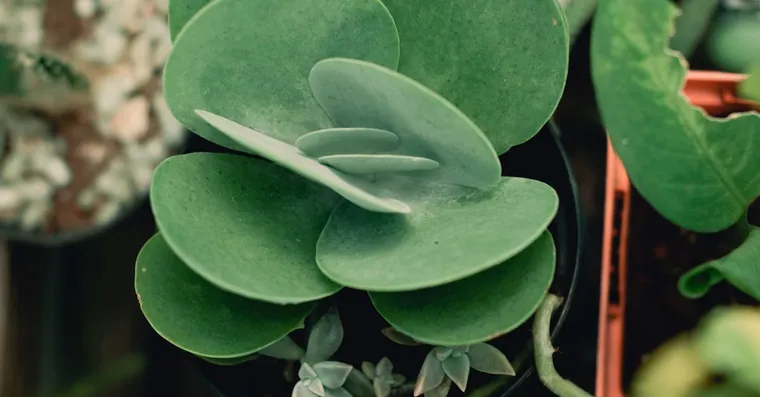
Kalanchoe Care: Watering, Light, and Getting It to Rebloom
Learn how to water and light a kalanchoe like the succulent it is, plus the darkness trick that forces it to flower again.
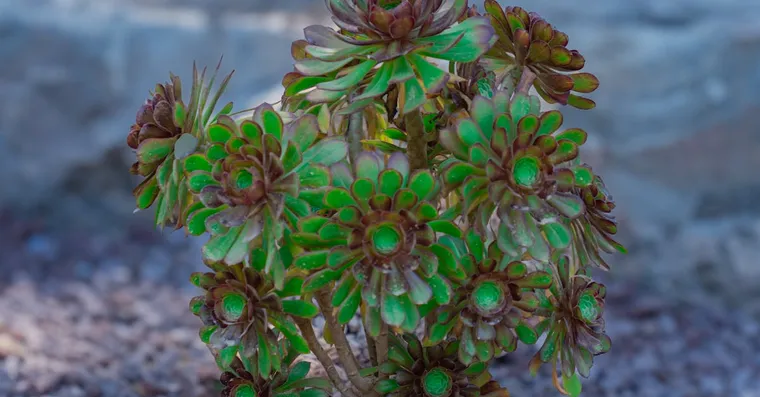
Aeonium Care: Growing Black Rose and Other Varieties
How to care for aeonium succulents including the dark Zwartkop, with advice on their summer dormancy, watering, and light needs.
Not sure what plant you have? Identify it from a photo and we will point you at its care guide.
Frequently asked questions
Which houseplants can handle direct sunlight indoors?
Desert and dry-scrub plants, not the usual easy growers. Aloe vera, jade plant, echeveria, snake plant and yucca all tolerate or prefer several hours of direct sun, roughly in that order of toughness. Croton and string of pearls belong on the list too but ask more of you, the croton because it wants steady moisture and the string of pearls because its strands are fragile. A pothos or calathea in the same spot will bleach and crisp.
Why does my plant have bleached patches near the window?
That is sunburn, and the giveaway is that the bleached or scorched patch sits on the leaves facing the glass rather than on the shaded side. It usually means the plant went straight from a shop or a shadier spot into hours of direct light, because leaves grown under different conditions need a week or two to adjust. Move it back slightly. Scorched tissue will not recover and only new growth comes in clean.
Which sunny-window plants are safe for pets?
Echeveria is non-toxic, which makes a rosette succulent the safer pick for a pet home. Aloe vera and the snake plant are both toxic to cats and dogs if eaten, so keep them off low sills. Jade, croton and string of pearls are toxic to pets, and croton sap can irritate skin as well. Yucca leaf tips are sharp, which is worth knowing around children.
How often should I water plants in a sunny window?
Let the soil decide, not the season or the calendar. Strong sun dries the top of the pot quickly, which tempts overwatering, yet root rot kills these plants far more often than thirst does. Wait until the soil is dry well below the surface, which for an aloe means roughly every two to three weeks in summer. Cut right back from autumn onwards, because a winter window gives so much less light that the same plant needs a fraction of what it drank in July.