Croton Care: Keeping the Color Without Dropping Leaves
How to care for a croton indoors, with the bright light that keeps its leaves colorful and the stable conditions that stop it dropping them.
Some links in this guide go to Amazon. As an Amazon Associate we earn from qualifying purchases, at no extra cost to you. How this works.
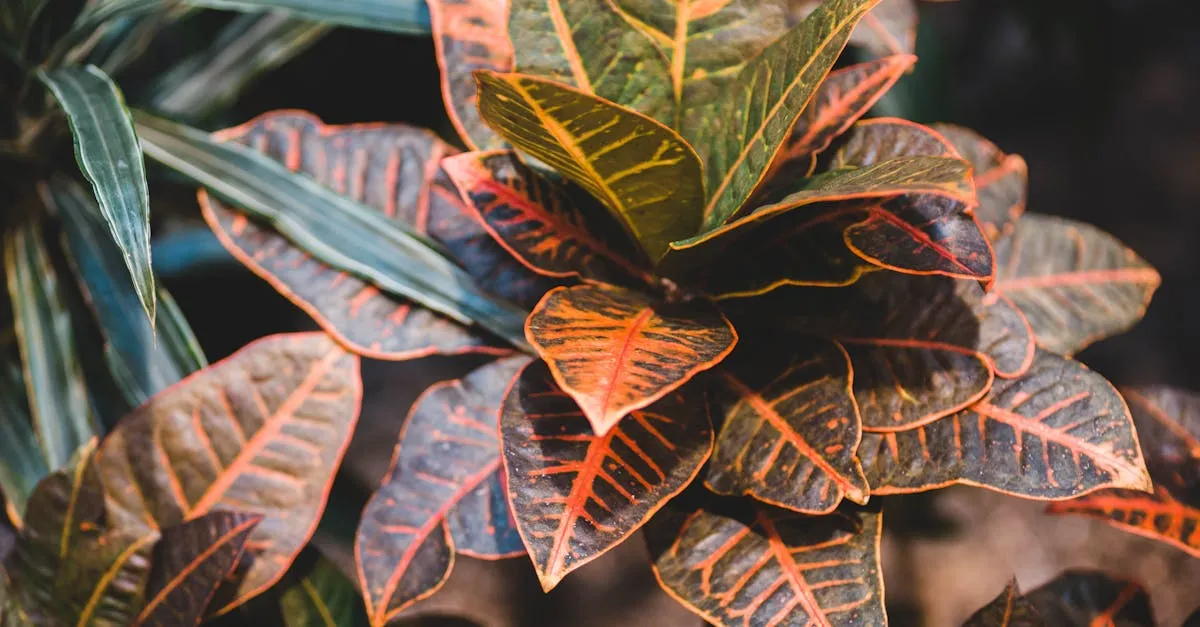
Crotons earn their place with foliage that looks painted: deep red, orange, yellow, and green often on the same leaf. The honest version of croton care is that the color is not free. It depends on bright light and steady conditions, and the moment you change those conditions, the plant tends to drop leaves to protest. If you can give it light and stop fussing once it settles, it rewards you for years.
What croton care really comes down to
Three things hold the color and keep the plant healthy. In order of importance:
Light. This is the whole game. Crotons need several hours of bright, direct or near-direct light a day to produce their reds and oranges. In dim light they survive but turn mostly green, and new leaves come in plain. An east or west window is good; a south-facing spot, ideally with some midday shielding, is better. If your brightest window is still dim, a grow light genuinely changes the result here, more than with most foliage plants.
Water. Keep the soil lightly and evenly moist, not soggy and not bone dry. Water when the top 3/4 to 1 inch (2 to 3 cm) feel dry, then water thoroughly until it runs from the drainage holes. Crotons sulk at both extremes: let them dry out hard and they drop leaves, leave them waterlogged and the roots rot. Cut back in winter when growth slows.
Humidity. Crotons come from humid tropics and prefer 40 to 60 percent humidity. Dry indoor air, especially near radiators in winter, gives them brown, crispy edges and makes them prone to spider mites. For another compact foliage plant that relies on good light to keep its patterning, the polka dot plant has a similar need for bright indirect light and steady moisture. Grouping plants or running a humidifier helps. Misting does very little and is not worth the effort. See the humidity guide for methods that actually raise it.
Why your croton is dropping leaves
If you just brought one home and it is shedding, this is the single most common worry, and usually it is not a crisis. Crotons hate change. Moving from a bright, humid greenhouse to your living room is a sharp drop in light and humidity, and the plant responds by dropping older leaves while it adjusts.
A croton that loses a few leaves after a move is reacting to the change, not dying from it.
Give it a bright, stable spot and resist the urge to repot, relocate, or overwater while it settles. New growth in a few weeks tells you it has adapted. Leaf drop later, once established, points to a specific cause: a cold draft, a sudden temperature swing below about 60°F (15°C), letting the soil dry out completely, or a move to a darker spot. Fix the condition and it stabilizes. Persistent drop with mushy stems is a different problem, root rot, and needs you to check the roots.
Feeding, potting, and pests
Feeding. Feed monthly through spring and summer with a balanced houseplant fertilizer at half strength. Stop in autumn and winter. There is no special “color booster” feed worth buying; bright light, not fertilizer, drives the color.
Potting. Use a well-draining mix and a pot with drainage holes. Crotons do not need frequent repotting; every two to three years, or when roots fill the pot, is plenty. They dislike being disturbed, so repot in spring and expect a little sulking afterward.
Pests. Spider mites are the main threat, especially in dry air. Check the undersides of leaves for fine webbing and stippling, and wipe the foliage regularly. Cleaning the large leaves also helps them photosynthesize, which supports the color.
A plant to keep out of reach
Be clear-eyed about this one. Crotons are toxic to cats and dogs, and eating the leaves causes mouth irritation, drooling, and vomiting. The milky sap also irritates human skin and can cause a rash, so wear gloves when pruning or repotting and wash your hands afterward. Keep the plant somewhere pets and small children cannot chew it. If a pet-proof home is what you need, choose from pet-safe houseplants instead, because there is no way to make a croton safe to nibble.
Find its spot, then leave it alone
The single most useful habit with a croton is to choose its brightest stable spot once and stop moving it, because nearly every dramatic leaf drop traces back to a change the plant did not ask for. Watch for new growth as your real signal that it has settled, and going into autumn, ease off the water and feeding rather than chasing the summer color you had. A croton that keeps its leaves through a British winter is one that was left undisturbed somewhere bright, not one that was tended harder.
Where to go next
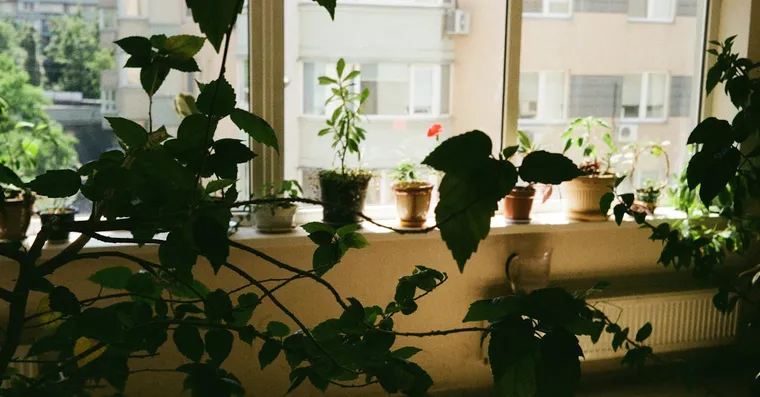
7 Best Houseplants for a Sunny Window
A hot, south-facing windowsill kills shade lovers but suits sun worshippers. These seven houseplants want the bright, direct light a sunny window gives.
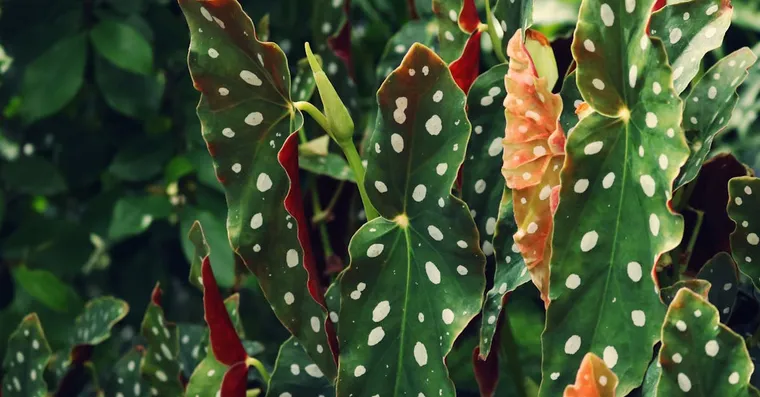
Polka Dot Plant Care: Keeping the Spots Bright and the Plant Bushy
A care guide for the polka dot plant, with the light that keeps its pink or white spots vivid and the pinching that stops it growing tall and leggy.
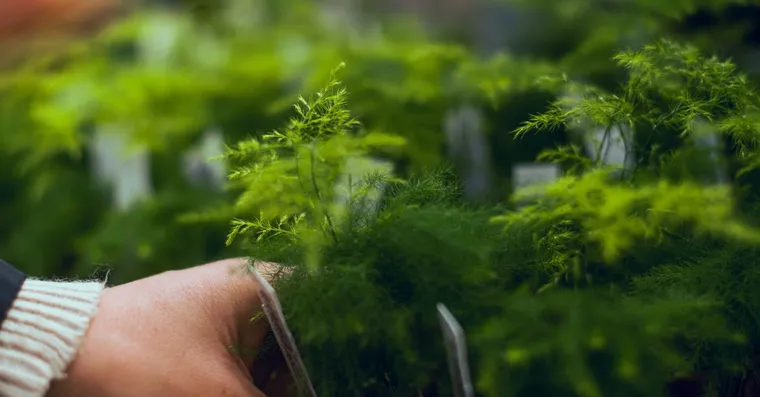
Asparagus Fern Care: Not a Fern, and It Has Thorns
Asparagus fern is not a fern, it is toxic to cats and dogs, and mature stems carry spines. Here is how to grow it and what to know first.
Not sure what plant you have? Identify it from a photo and we will point you at its care guide.