Polka Dot Plant Care: Keeping the Spots Bright and the Plant Bushy
A care guide for the polka dot plant, with the light that keeps its pink or white spots vivid and the pinching that stops it growing tall and leggy.
Some links in this guide go to Amazon. As an Amazon Associate we earn from qualifying purchases, at no extra cost to you. How this works.
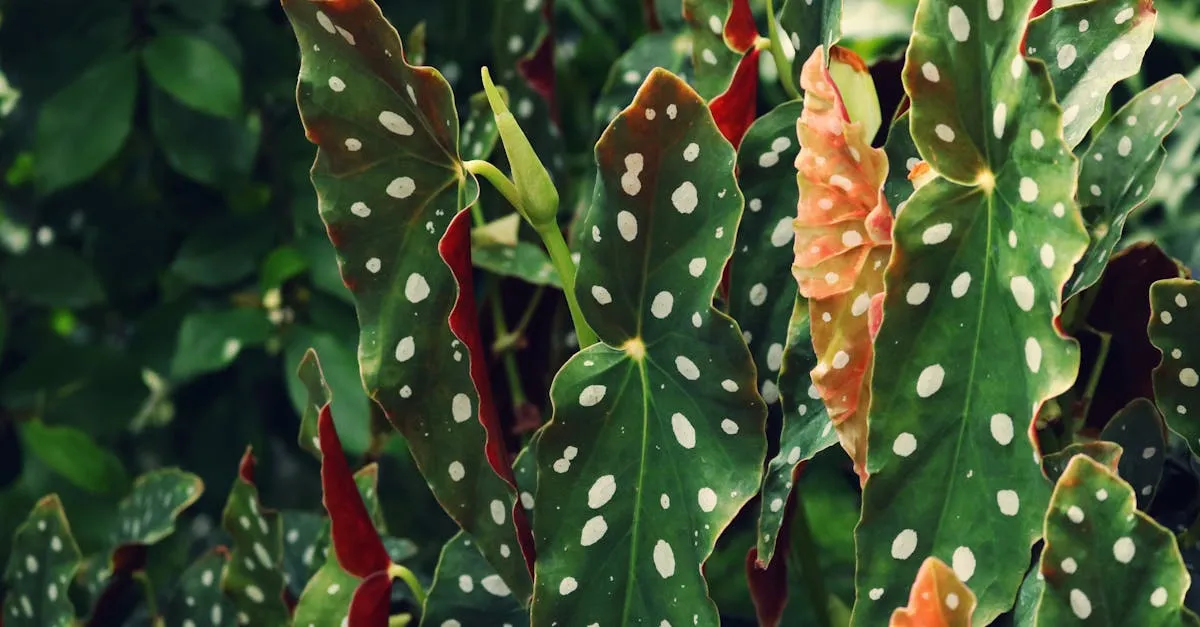
Polka dot plant (Hypoestes phyllostachya) is grown for its speckled leaves: pink, white, or red dots scattered across green, like someone flicked a paintbrush at it. The honest version of polka dot plant care is that this is a fast, fussy little plant that fades within a year or two no matter what you do, so the goal is not to keep one specimen alive forever but to keep it bright and bushy while you have it, and to take cuttings before it gives up. Get the light and the pinching right and it looks fantastic; ignore either and it turns into a pale, stretched stick.
Why bright indirect light keeps the spots vivid
The color is the whole point, and light controls it. In bright indirect light the contrast between the spots and the green stays sharp and saturated. In low light the plant does the opposite of what you want: it grows pale, the leaves space out along stretching stems, and the speckling washes towards plain green as the plant tries to maximize its photosynthetic surface.
Best spot. A position near an east or north window, or a couple of feet back from a brighter one, where it gets plenty of light without harsh midday sun on the leaves.
Too little light. Long gaps between leaves, leaning towards the window, and fading color. This is the classic legginess pattern, and it happens faster with this plant than almost any other.
Too much direct sun. Bleached or crisped patches on the leaves. A few hours of gentle morning sun is fine, but strong afternoon sun through glass will scorch it.
Pinching is what keeps it bushy
Left alone, a polka dot plant grows upward on a few thin stems and turns leggy within weeks. Pinching is not optional maintenance here, it is the main job.
Pinch out the growing tip of each stem with your fingers or scissors, just above a pair of leaves. The plant responds by pushing out two new shoots from that point, which doubles the stems and forces a denser, rounder shape. Start when the plant is young and repeat every few weeks through the growing season. The more often you pinch, the bushier it stays. If yours has already gone leggy, cut it back hard; it recovers quickly and the trimmings become your next plants. The same general pruning logic applies, just more aggressively.
Steady moisture and warmth
This is a thirsty plant from a warm, humid climate, and it shows distress fast.
Water. Keep the soil lightly and evenly moist, never bone dry and never waterlogged. It will dramatically wilt and flop when it dries out, then recover within an hour of watering, so a sudden collapse is usually thirst rather than anything sinister.
Warmth. Keep it above 60°F (15°C). It dislikes cold drafts and sudden chills, which cause leaf drop.
Humidity. It prefers humid air and the leaf edges crisp in very dry rooms. A more humid spot like a bathroom suits it well.
Feeding. Feed with a balanced liquid fertilizer at half strength every few weeks in spring and summer to fuel all that pinched regrowth.
Pinch off the flowers to prolong the plant
At some point, usually when light is high, the plant sends up small spikes of pale lilac flowers. They are insignificant, and they are a warning sign. Flowering signals the plant is shifting into its reproductive, end-of-life phase: after it sets seed it tends to go leggy, drop leaves, and decline.
Snap off the flower spikes as soon as you see them, and you buy the foliage several more months.
It delays the inevitable rather than preventing it, but it keeps the plant looking good for longer.
Treat it as a plant you refresh, not keep
Accept early that even a well-grown polka dot plant looks tired after a year or so. The graceful way to grow it is on rotation. Take stem cuttings whenever you pinch, since the tip cuttings root easily in water or moist soil within a week or two. Pot up a few, and you always have a fresh, full plant coming on to replace the one that is fading. One plant becomes an endless supply.
Take your first cuttings before you think you need to
The mistake that catches most people is waiting until the plant already looks tired, by which point the stems root slowly and you spend weeks with nothing to show. Snip two or three healthy tips this spring while the plant is at its best and stand them in water, so a replacement is rooting before the parent starts to fade. Once you have that overlap running, a fading polka dot plant stops being a loss and becomes just the cue to pot up the next one.
Where to go next
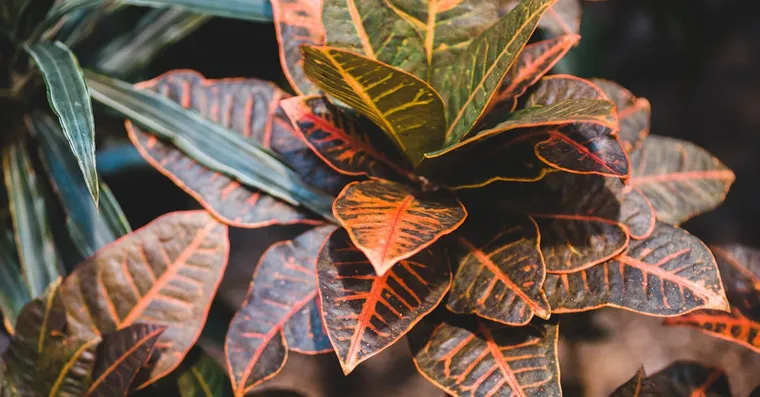
Croton Care: Keeping the Color Without Dropping Leaves
How to care for a croton indoors, with the bright light that keeps its leaves colorful and the stable conditions that stop it dropping them.
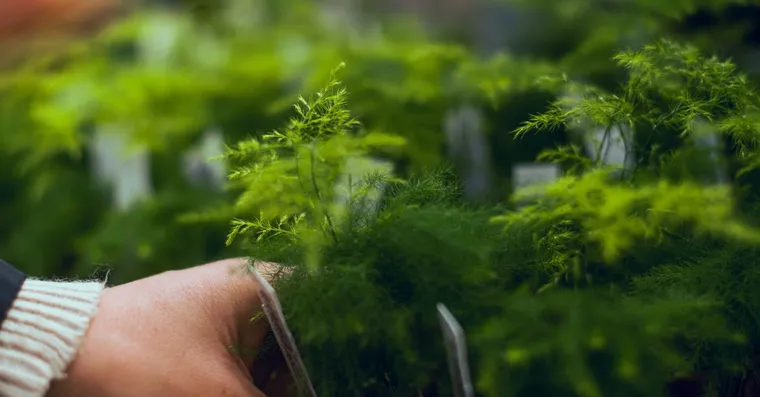
Asparagus Fern Care: Not a Fern, and It Has Thorns
Asparagus fern is not a fern, it is toxic to cats and dogs, and mature stems carry spines. Here is how to grow it and what to know first.
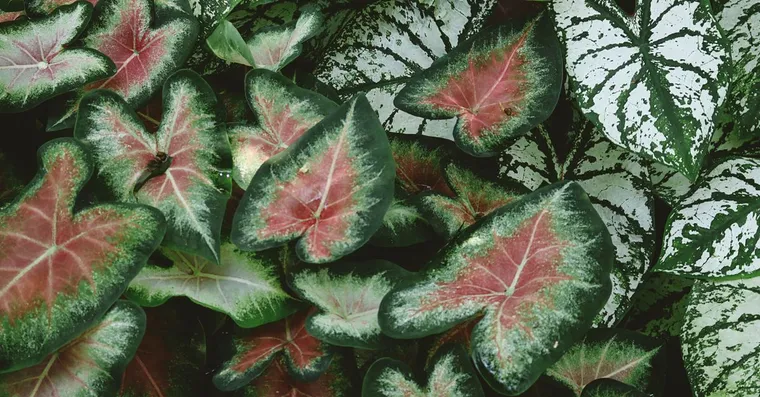
Caladium Care: Bright Leaves, Winter Dormancy, and Toxic Sap
Caladiums die back every winter and that is normal, not failure. Here is how to grow the tubers indoors and why they need care around pets.
Not sure what plant you have? Identify it from a photo and we will point you at its care guide.